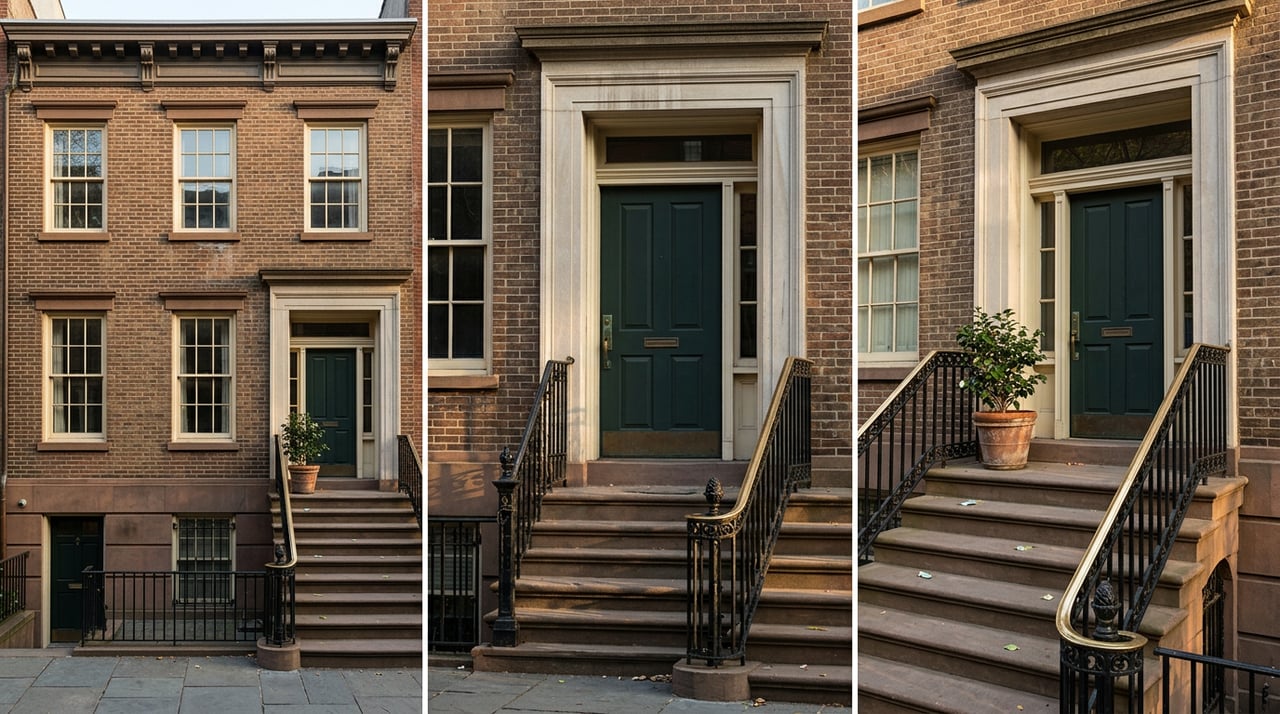
The Mansion Tax Cliff: Why Manhattan Listings Cluster Just Below the Big Round Numbers
August 27, 2026
August 27, 2026
Picture a Tribeca loft under contract at $3,000,001. The buyer's attorney calls the seller's attorney with an odd request: knock two dollars off the price. Not two thousand. Two dollars.
Reed Corp's guide puts the mansion-tax savings from that two-dollar concession at roughly $7,500 for the buyer. At $2,999,999, the price sits in the 1.25 percent mansion tax bracket, for a bill of roughly $37,500. At $3,000,001, the price crosses into the 1.5 percent bracket, and, as NYC Paycheck Calc explains, the entire purchase, not just the two dollars above the line, gets taxed at the higher rate: about $45,000. The math isn't a rounding error. It's the design.
Once you understand this one mechanic, a pattern that looks like coincidence across Manhattan listings starts to look like arithmetic. Prices that land at $999,000, $1,999,999, $2,999,999, or $4,999,999 aren't a stylistic preference for odd numbers. They're the result of buyers and sellers doing exactly the math above and choosing to stay on the cheaper side of a line most shoppers never notice.
The New York State Department of Taxation and Finance says the real estate transfer tax includes an additional levy on residential purchases of $1 million or more, commonly called the mansion tax, paid by the buyer at closing. Most people assume it works like income tax, where only the dollars above a threshold get taxed at the higher rate. It doesn't. Whatever bracket the final price lands in applies to the entire purchase price.
That single structural choice is why the tax behaves like a cliff instead of a slope. At $999,999 a buyer owes nothing. At $1,000,000, the same buyer owes $10,000. At $1,999,999 the bill is just under $20,000. At $2,000,000 it jumps to $25,000, a five-thousand-dollar swing for one additional dollar of price. The largest single-dollar swing in the table sits at the $5 million line: a purchase at $4,999,999 owes roughly $75,000, while a purchase at exactly $5,000,000 owes $112,500, a $37,500 difference triggered by one dollar of price.
The rate structure has been in place since a 2019 state budget reform and remains current law today.
| Purchase Price | Mansion Tax Rate |
|---|---|
| Under $1,000,000 | 0% |
| $1,000,000 – $1,999,999 | 1.0% |
| $2,000,000 – $2,999,999 | 1.25% |
| $3,000,000 – $4,999,999 | 1.5% |
| $5,000,000 – $9,999,999 | 2.25% |
| $10,000,000 – $14,999,999 | 3.25% |
| $15,000,000 – $19,999,999 | 3.5% |
| $20,000,000 – $24,999,999 | 3.75% |
| $25,000,000 and up | 3.9% |
The buyer pays this at closing, filed through the title company on the state's combined transfer tax return. It sits separately from the transfer taxes a seller typically covers in a resale, so a buyer running their own numbers should not confuse the two.
Once both sides of a deal understand the cliff, the negotiation shifts. A seller who lists at $2,050,000 is competing against comparable units listed at $1,995,000, where the buyer's effective all-in cost, price plus tax, is lower even though the sticker price looks close. Pricing just under a threshold widens the pool of buyers who can clear the deal without absorbing a five-figure tax jump, and that wider pool is often worth more to a seller than the extra $50,000 on paper.
This shows up differently depending on what kind of Manhattan product is changing hands. A one- or two-bedroom resale in a boutique downtown building often sits close to the $1 million or $2 million lines, where the dollar-for-dollar cliff is smaller in absolute terms but still meaningful to a buyer's closing budget. A larger loft conversion or a full-floor unit in Tribeca or SoHo is more likely to be negotiated around the $3 million or $5 million lines, where the swings run into the tens of thousands. A townhouse in Greenwich Village or the West Village, often priced well above $5 million, is negotiated with the $10 million line in view, where the jump moves from 2.25 percent to 3.25 percent on the full price. In every case, the seller's asking price and the buyer's final offer tend to drift toward the number just under the ledge, not the round number above it.
The cliff also creates a band of prices that both sides try to avoid. A property priced between $1,000,000 and roughly $1,110,000 puts a buyer in a strange position: paying more in total, price plus mansion tax, than they would for a listing at $999,000, even though the two properties are barely different in value. A buyer at $1,050,000 owes $10,500 in mansion tax, for an effective cost of $1,060,500, more than $60,000 above what a buyer at $999,000 pays for a property only $51,000 lower in list price. Sellers who get stuck pricing into that band, often because the property genuinely needs to clear a certain net number, tend to find their listings sitting on the market longer while comparable units priced just under the line move faster. The same shape of dead zone appears above every threshold in the table, just at different dollar scales.
The brackets were written in 2019 dollars and have never been adjusted for inflation or for the appreciation of Manhattan's high end since then. That means a price point that only touched a small slice of transactions when the law took effect now captures a meaningfully larger share of the market. A unit that would have priced comfortably under $5 million several years ago may now sit right on top of that line simply because values in the neighborhood have moved, not because the property itself changed. Buyers and sellers negotiating today are working against a fixed set of tripwires in a market that has kept moving around them.
Heading into the fall of 2026, the current bracket table above remains the law. Lawmakers in Albany floated proposals this spring to raise mansion tax rates and add further tiers, and as of this summer none of that has been enacted. The bracket structure in the table above is still what a closing statement reflects today. Separately, Governor Hochul's April 2026 budget framework raised the idea of a new annual surcharge on second homes in New York City valued at $5 million or more, aimed at pied-à-terre owners rather than primary residents, with an estimated $500 million in annual revenue if adopted. That proposal has not been enacted and specific rates have not been announced. It would also function very differently from the mansion tax, since it would be a recurring yearly cost tied to holding a property rather than a one-time charge at closing. Anyone shopping near a bracket line right now should confirm the current rate with their attorney at contract, since proposals like these tend to resurface every budget cycle even after failing to pass.
For a buyer weighing a SoHo loft against a Tribeca conversion or a Greenwich Village townhouse, the mansion tax is one more variable that changes the real comparison, not just the sticker price. New construction adds another layer, since sponsors frequently push the separate state and city transfer taxes onto the buyer in the contract, on top of the mansion tax the buyer already owes. That term is negotiable, especially on units that have been sitting on the market for a while.
None of this changes what a property is worth. It changes what crossing a specific price line actually costs, and that is exactly the kind of number a good negotiation accounts for before an offer goes in, not after a contract is signed.
Does the mansion tax apply to co-ops the same way it applies to condos? Yes. The tax applies to residential co-ops, condos, townhouses, and one-to-three family homes alike.
Can a buyer legally structure around the tax by allocating part of the price to furniture or fixtures? Genuine personal property, art, freestanding appliances, and similar items can sometimes be handled under a separate bill of sale, which lowers the taxable real property price. This only works when the allocation reflects real value. Artificially inflating a furniture price to duck a bracket is treated as tax evasion, and the state reviews related transfers together rather than in isolation.
Is the mansion tax likely to change again soon? The current table has been in place since a 2019 expansion, and proposals to raise rates or add new tiers surfaced again in Albany this spring without being enacted. Given how often these proposals resurface each budget season, anyone negotiating near a threshold should treat confirming the current rate with their attorney as a live step in the closing process, not a formality.
Every one of these thresholds is a real number that shows up on a real closing statement, and the difference between landing on one side of a line or the other can be worth more than a full year of a building's common charges. If you're weighing a purchase or a sale anywhere near one of these price points, The Saez + Fromm Team can walk through the actual math for your specific building, price range, and negotiating position. Request a Private Consultation to talk through where your deal sits before you write the offer.
This article is general information, not legal, tax or financial advice. Consult a qualified professional about your situation.
Stay up to date on the latest real estate trends.
October 15, 2026
October 8, 2026
October 1, 2026

September 24, 2026
September 17, 2026
September 10, 2026

September 3, 2026
August 27, 2026
August 20, 2026
As a top team at Douglas Elliman, SAEZFROMM continues to deliver the greatest value to our buyers, sellers, developers, and investors. Our focus is on one thing above all others: our clients, their needs, and what makes them happy.

SAEZFROMM
M: (212) 203-1798
O: (212) 891-7181
[email protected]
Douglas Elliman Real Estate
140 Franklin St
New York NY 10013