What to Know Before Buying SoHo Cast Iron Lofts
February 12, 2026
February 12, 2026
You picture soaring ceilings, sunlight spilling through tall factory windows, and a gallery-like space that evolves with your art and life. Buying a cast-iron loft in SoHo can deliver that iconic New York experience, but it comes with its own rules, approvals, and building realities. If you understand the architecture, the legal framework, and the maintenance behind those ornate façades, you can buy with confidence. This guide gives you the essentials so you can move fast and avoid surprises. Let’s dive in.
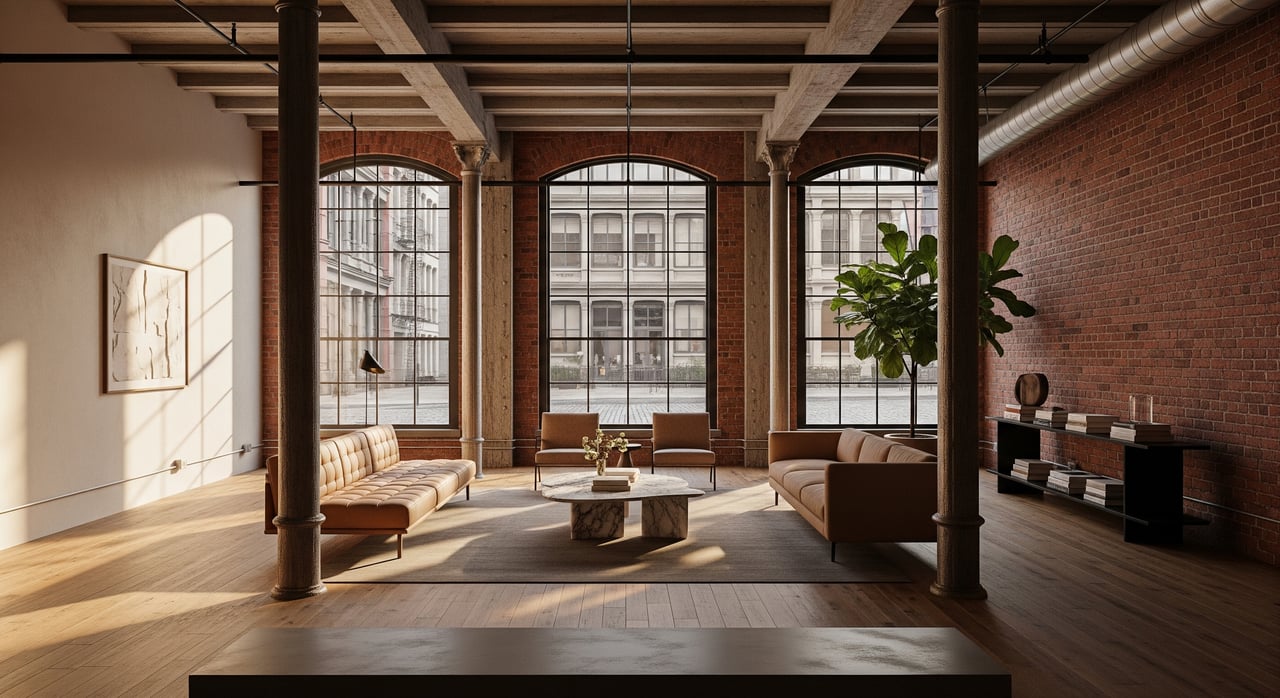
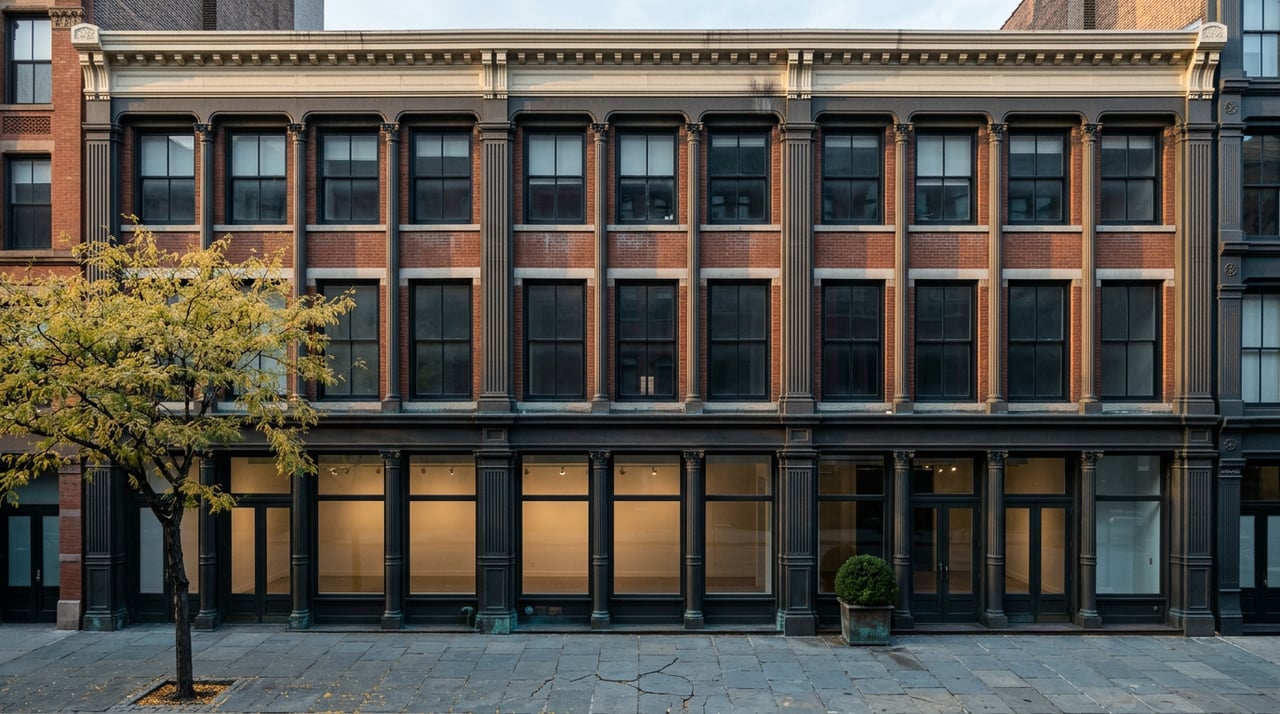
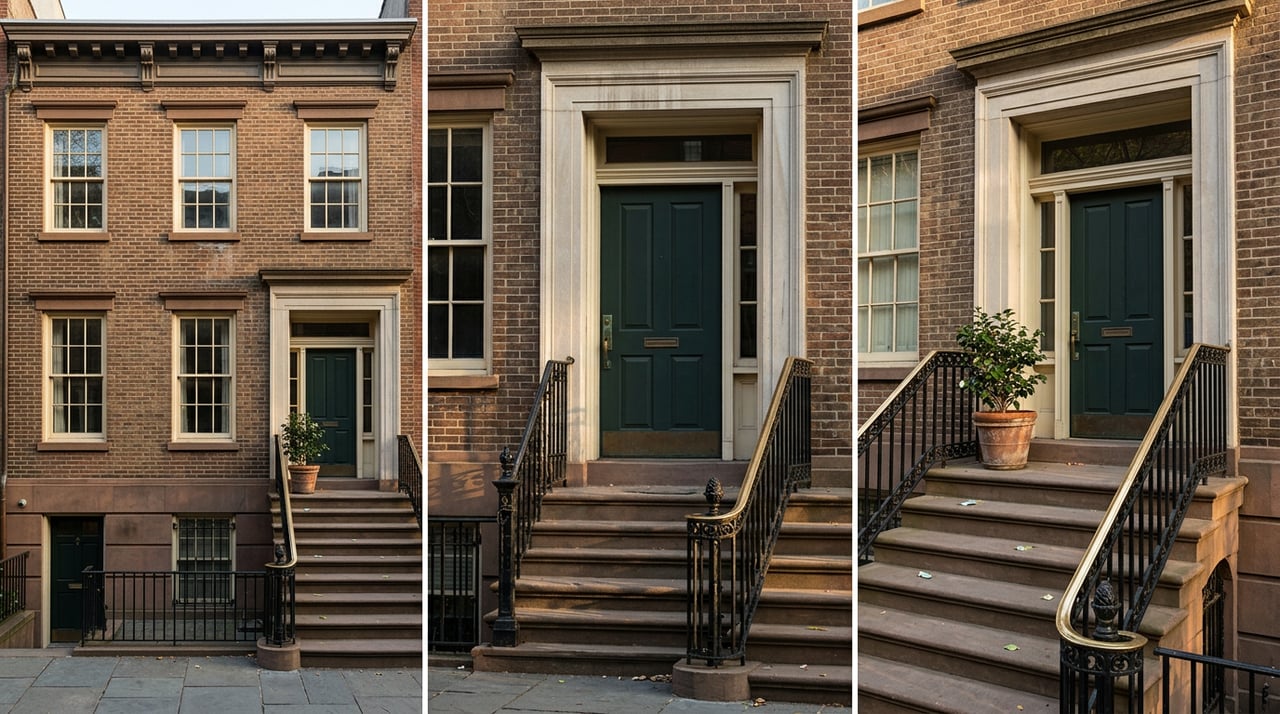
SoHo’s cast-iron buildings date mainly to the mid- to late-19th century. Cast iron enabled highly ornamented façades and much larger window openings than traditional brick. The result is a signature look with decorative cornices, deep sills, and big multi-pane windows that define the classic loft feel.
These details are not just aesthetic. They drive how a home lives. You often get 12 to 14 foot ceilings, oversized windows that shape light and views, and wide, open floorplates that offer design freedom.
The SoHo-Cast Iron Historic District is protected by the NYC Landmarks Preservation Commission. Landmark status preserves the exterior character of a building. Interior spaces are typically not regulated unless a property has a specific individual designation. Preservation safeguards beauty and value over time, but it also affects how and when exterior work can be done.
Many SoHo lofts started as commercial or manufacturing floors and were later converted to residential use. Today you find traditional co-ops, boutique condominiums, and mixed-use buildings with retail or gallery space at the base. Some properties still function as live-work lofts, and a few follow limited-equity or community models.
Each structure and ownership type will handle building operations, renovations, and approvals differently. Your attorney and broker should verify the building’s rules, reserves, and any planned capital work before you commit.
New York State’s Loft Law, part of the Multiple Dwelling Law, was designed to legalize certain residential use in former commercial buildings and to protect qualifying tenants. Whether a unit or building is covered can affect tenant rights, rent status, and the level of work required to fully convert a building to legal residential use. If you are considering a unit with a live-work history, confirm its status early.
A certificate of occupancy should match how you plan to use the property. SoHo has a legacy of manufacturing zoning that has evolved to allow residential on many blocks, with common ground-floor retail and galleries. Your team should confirm that the intended residential and commercial uses align with current zoning and the building’s legal status.
Any exterior work visible from the street, such as window replacement, façade repairs, or cornice restoration, generally requires permits from the NYC Landmarks Preservation Commission. This review adds steps and time, and often requires restoration methods that respect historic profiles and materials. Plan for that process at the building and unit level.
Cast iron is strong in compression but brittle in tension. In many SoHo buildings, the cast-iron façade is an assembly attached to a masonry backing, not a single structural shell. Common issues include corrosion at joints, cracking or fragmentation of cast elements, and failure of anchors that hold the façade to the backing wall.
Ask for a recent façade condition report and a history of permits for any stabilization or restoration. Matching historic profiles, foundry work, and specialized repairs can be expensive. You want to know what has been done, what is planned, and the likely timeline.
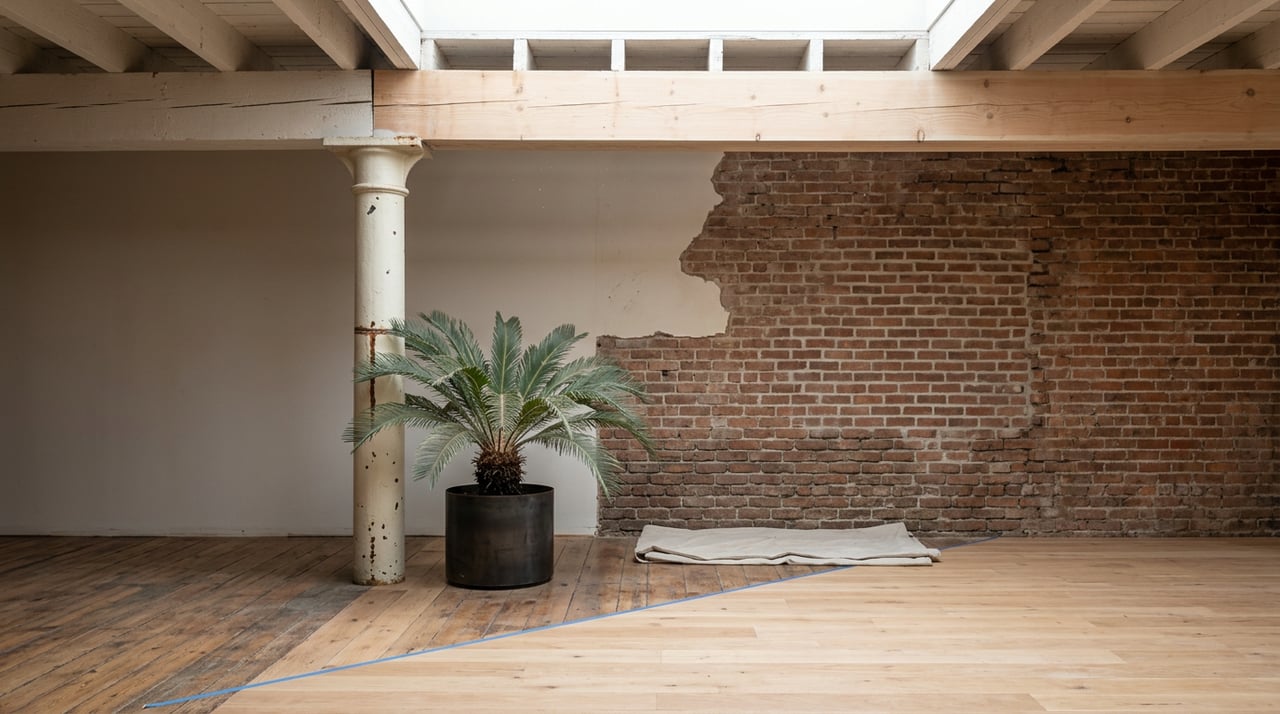
Older lofts may use timber joists and posts, sometimes with later steel framing. Look for signs of water infiltration, timber rot, or insect damage. Expect some floor deflection and occasional squeaks in older stock. If you plan heavy installations like a large kitchen island set in stone, significant art storage, or mechanical equipment, bring a structural engineer to evaluate live-load capacity.
Those grand windows often started life as single-pane units. Replacing or upgrading them can improve comfort and sound, but visible street-facing changes usually need landmark approval. In some cases, interior secondary glazing or historically appropriate replicas can balance performance with preservation standards. Orientation also matters: north gives steady light, south and west deliver stronger midday and afternoon sun, and east brings bright mornings.
Expect variation. Some buildings still run on building-wide steam or hot water. Others rely on mini-split systems or retrofitted central HVAC. Electrical panels and risers may be undersized for contemporary needs, and upgrading them can affect multiple units. Elevators are often compact passenger cars or converted freight cabs, and modernization can be a significant capital project.
Sprinklers and modern fire alarm systems may be required as part of conversion work or when you renovate. Sound can travel through open plans, thin partitions, and historic floor assemblies. Plan for acoustic upgrades if you intend to build bedrooms, a media room, or a studio. Solutions can include laminated or double-glazed windows, resilient channels, and isolation of mechanical equipment.
Specialized restoration work and landmark compliance can raise contractor and insurance costs. Lenders and insurers typically look for recent inspection reports, evidence of maintenance budgets, and adequate reserves. Review the building’s financials and capital plan closely.
These buildings were designed for manufacturing, not apartments. Many units are deep, with windows on one side only. That can leave the interior core with limited daylight. Double-aspect units that run front to back enjoy better airflow and cross-ventilation. High ceilings are a design asset and a resale driver, but check mechanical clearances if you are considering a mezzanine.
SoHo’s energy is part of its charm, but it adds noise from pedestrians, deliveries, sightseeing, and nightlife. Retail tenants can contribute sound from compressors or music. Typical weak points include single-pane windows and older partitions. Plan for mitigation like upgraded glazing, acoustic partitions, isolation pads for HVAC, and thoughtful window treatments.
Many loft buildings are intimate and lack a full-service lobby or 24-hour staff. Assess elevator capacity, stair widths, and how deliveries are handled. Proximity to garages, loading options, and predictable service routines matter in daily life. You should balance SoHo’s convenience with your expectations around privacy and building services.
SoHo lofts command a premium for their architecture, location, and retail prestige. Value is shaped by ceiling height, floor level, window exposure, floorplate depth, and whether the unit carries a legal residential certificate of occupancy. For comparisons, nearby neighborhoods offer different trade-offs. Tribeca often brings larger floorplates and quieter blocks, while Chelsea and the West Village mix new condos with older conversions.
Co-ops can deliver character and community, but they typically have stricter board approvals, financing limits, and detailed house rules. Condos are usually more flexible for investors and non-primary users, with more straightforward resales. Common charges in landmarked buildings may be higher, especially where façade work is cyclical.
Lenders review building financials, reserve levels, the certificate of occupancy, violation history, and any pending landmark or façade work. If a unit lacks a residential CO or sits in a partially legalized building, you may need a specialist lender. Renovations in cast-iron buildings take longer. Landmark approvals, DOB permits, and specialty fabricator lead times can add weeks to months.
Landmarked façades and older systems often require periodic capital work, which can mean special assessments. Review minutes and reserve studies for planned projects. Ground-floor retail can add vibrancy and building income but may introduce noise, odor, or exhaust considerations that require active management.
Buying a cast-iron loft in SoHo is as much about stewardship as it is about style. When you pair design vision with the right due diligence and team, you protect both your lifestyle and your investment. If you are ready to explore options or want a second opinion on a specific building, the SAEZFROMM Team is here to help you navigate every step with discretion and clarity.
Stay up to date on the latest real estate trends.
October 15, 2026
October 8, 2026
October 1, 2026
September 24, 2026
September 17, 2026
September 10, 2026
September 3, 2026
August 27, 2026
August 20, 2026
As a top team at Douglas Elliman, SAEZFROMM continues to deliver the greatest value to our buyers, sellers, developers, and investors. Our focus is on one thing above all others: our clients, their needs, and what makes them happy.
SAEZFROMM
M: (212) 203-1798
O: (212) 891-7181
[email protected]
Douglas Elliman Real Estate
140 Franklin St
New York NY 10013