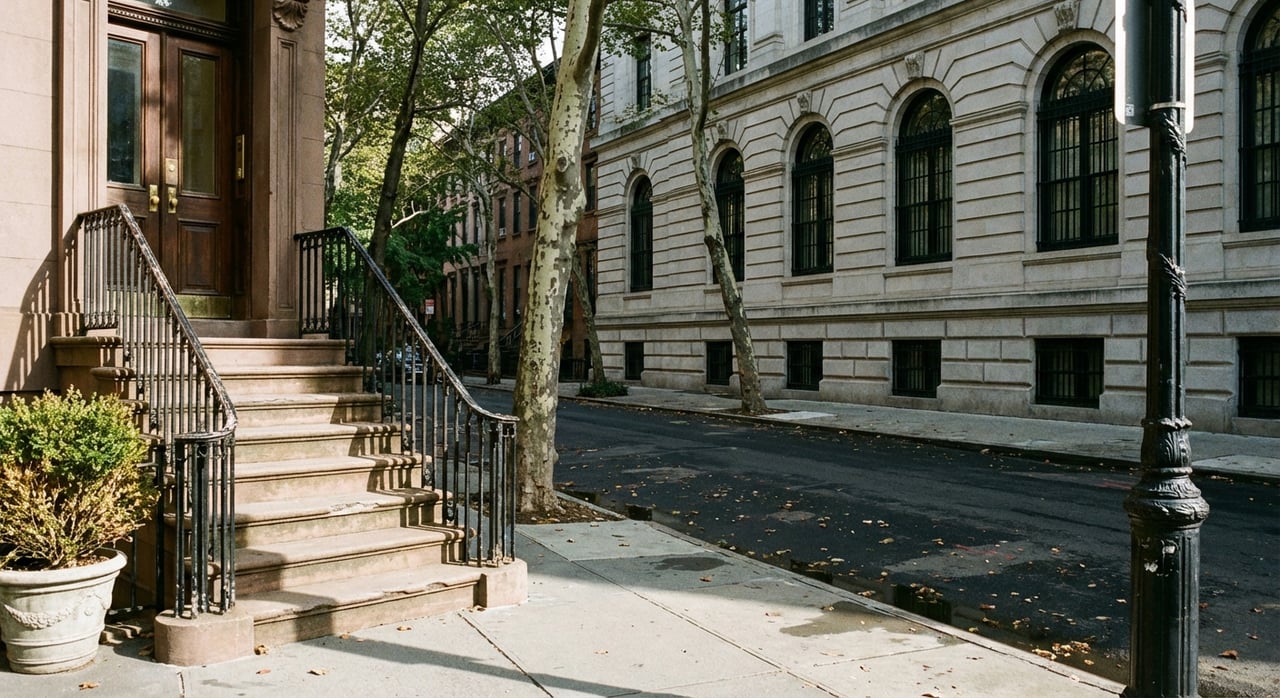
Life Along Museum Mile On The Upper East Side
February 19, 2026
February 19, 2026
What if your weekend ritual started with a stroll through Central Park, coffee at a museum café, and a walk home along Fifth Avenue? If you love art, architecture, and effortless access to green space, life along Museum Mile on the Upper East Side may fit you well. In this guide, you will learn where Museum Mile sits, how it shapes daily life, what it means for home values, and what to consider if you plan to buy nearby. Let’s dive in.
Museum Mile refers to the stretch of Fifth Avenue along the east edge of Central Park, commonly described from East 82nd Street to about 105th Street. It is lined with world-class cultural institutions that define the neighborhood’s rhythm and identity. Core museums include The Metropolitan Museum of Art, the Solomon R. Guggenheim Museum, Cooper Hewitt, The Jewish Museum, Neue Galerie, the Museum of the City of New York, and El Museo del Barrio. You can browse a concise overview of the institutions along Fifth Avenue on this curated list of museums on the Mile.
Each June, the avenue transforms for the festive, pedestrian-only Museum Mile Festival, with free museum access and outdoor programs that bring the community together for one evening. Learn more about the Museum Mile Festival’s annual celebration and street closure details.
Living here, museums are not just destinations, they become part of your weekly routine. Members’ hours, evening talks, and family programs make it easy to pop in for an hour rather than plan an all-day visit. Rotating exhibitions and design-forward shows across the Mile keep your calendar full and your social life local. For a quick sense of how residents blend culture with neighborhood stops, see this Upper East Side day guide that pairs museum time with nearby dining.
With Central Park directly across Fifth Avenue, you get instant access to running loops, playgrounds, and year-round programming. That proximity is not only a lifestyle win, it is also tied to a documented “park premium” in real estate, where homes near large green spaces often command higher values. A broad review of studies explains how nearby parks can measurably lift property prices within a few blocks.
On Madison Avenue, you find luxury boutiques and galleries. Lexington, Second, and Third avenues offer a mix of cafes, wellness studios, specialty grocers, and everyday conveniences. Restaurant lineups change often, so rely on current neighborhood guides to explore new openings and timeless mainstays.
The Upper East Side is easy to navigate on foot, with frequent subway service on the Lexington Avenue line (4/5/6) and the Second Avenue Q. Crosstown Select Bus routes like the M86 and M79, plus a dense local bus network, make car-free living practical. If you value short, predictable commutes, this connectivity is a major plus.
The area offers a wide range of homes: prewar co-ops near the park and on tree-lined side streets, classic townhouses, and a growing slate of condominium options in select corridors. Co-ops remain a large share of the inventory, and they operate with distinct board processes, financing requirements, and subleasing rules compared to condos. For a quick primer on typical UES building types and considerations, review this Upper East Side market overview.
As of January 2026, a widely cited neighborhood snapshot reported a median sale price around $1.49 million, with variations by micro-location, building type, and condition. Broader Manhattan trends, including cash activity and new-development inventory, play into local pricing and absorption. For citywide context and the luxury segment’s influence on averages, this Manhattan market analysis offers helpful framing.
Two consistent contributors stand out. First, park proximity often shows up in pricing, with several studies documenting a measurable premium near substantial green space. Second, cultural anchors can support local economic activity and neighborhood prestige, which helps sustain demand over time. For a practical takeaway, think of the park and the museums as durable lifestyle amenities that many buyers will value.
Blocks directly on Fifth Avenue, where homes face Central Park, read very differently from blocks closer to Second and Third avenues, or from the Yorkville stretch farther east. Side street ambience varies by traffic flow and service mix. When you compare homes, line up micro-location, building type, and carrying costs side by side so you are measuring like for like.
Pros
Trade-offs
Keep it specific and verifiable.
Avoid blanket promises about appreciation. Instead, center facts buyers can confirm, and date any market statistics you include.
Life along Museum Mile blends culture and calm in a way few city neighborhoods can match. You get Central Park outside your door, destination museums around the corner, and daily conveniences that make car-free living simple. For many buyers, that combination delivers both quality of life and enduring demand.
If you are weighing a move near the Mile, we can help you compare micro-locations, navigate co-op and condo decisions, and position your purchase for long-term goals. For private, concierge-level guidance, connect with the SAEZFROMM Team.
Stay up to date on the latest real estate trends.
June 25, 2026
June 18, 2026
June 11, 2026
June 4, 2026
May 28, 2026
May 21, 2026
May 14, 2026
May 7, 2026
April 23, 2026
As a top team at Douglas Elliman, SAEZFROMM continues to deliver the greatest value to our buyers, sellers, developers, and investors. Our focus is on one thing above all others: our clients, their needs, and what makes them happy.
SAEZFROMM
M: (212) 203-1798
O: (212) 891-7181
[email protected]
Douglas Elliman Real Estate
140 Franklin St
New York NY 10013