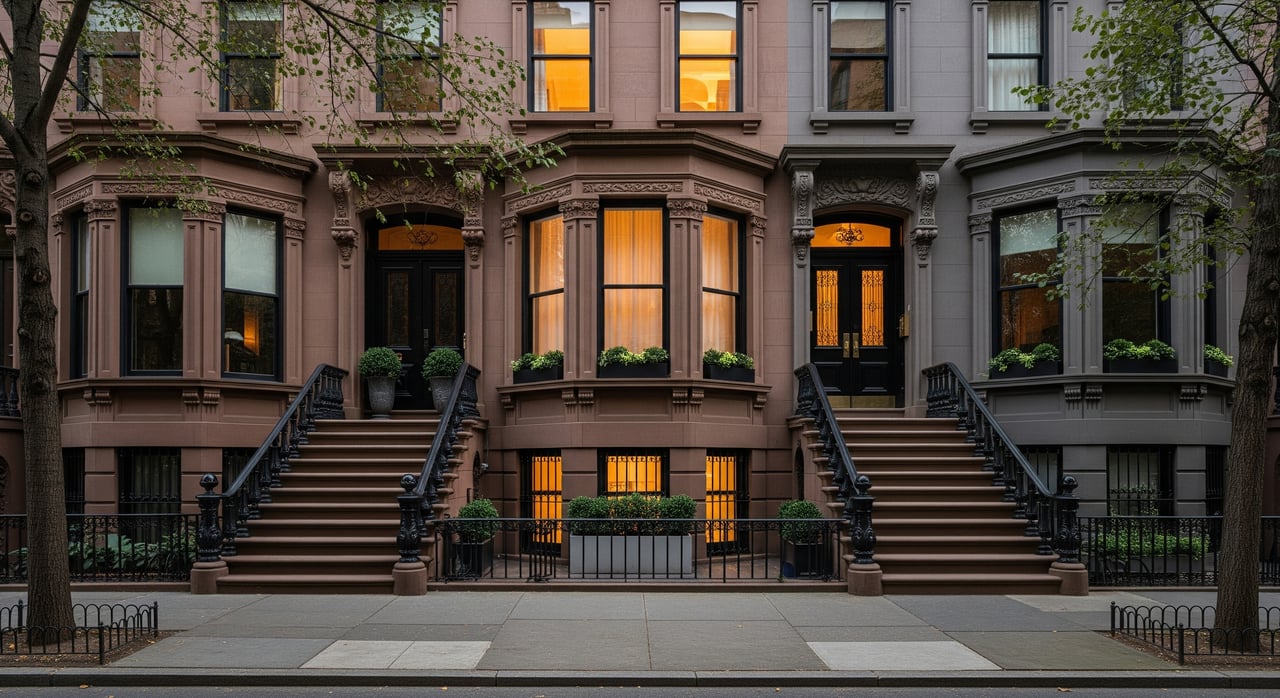
Pricing a Greenwich Village Townhouse Strategically
January 15, 2026
January 15, 2026
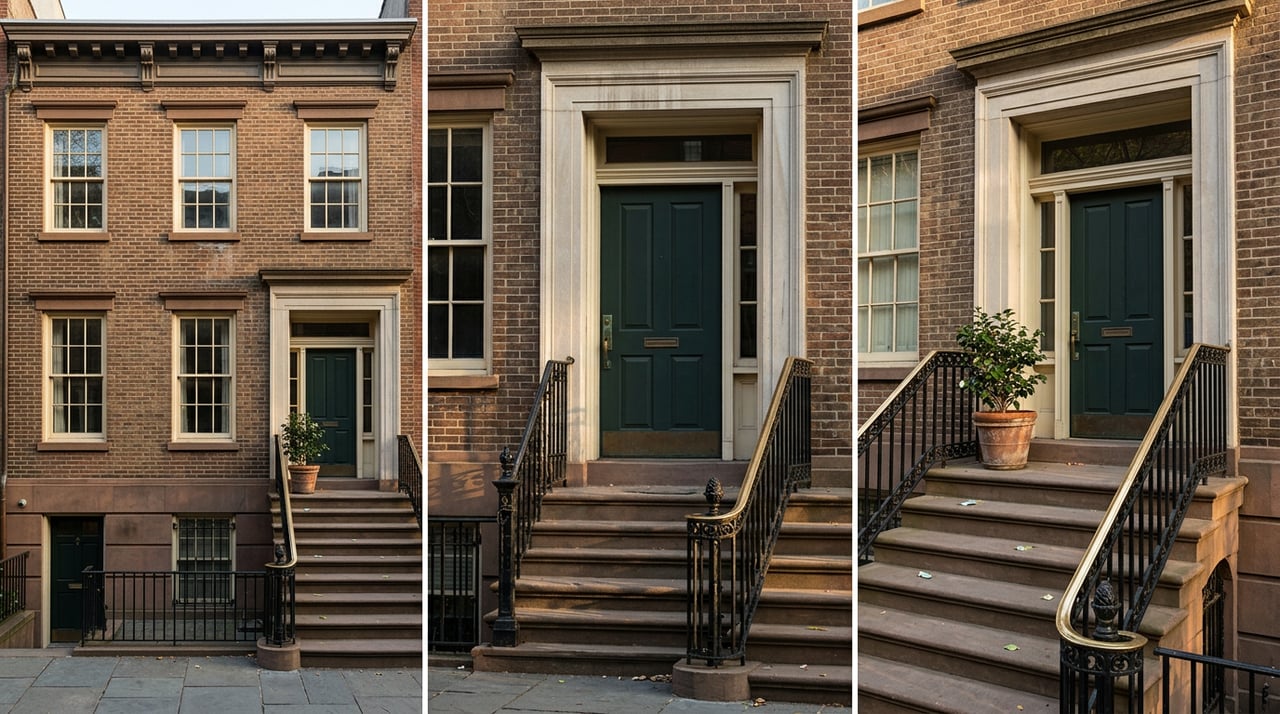
Pricing a Greenwich Village townhouse can feel like solving a puzzle with a dozen one-of-a-kind pieces. Every home on these storied blocks has its own mix of width, historic character, outdoor space, and potential. If you get the pricing right, you attract serious buyers quickly and negotiate from strength. In this guide, you’ll learn the exact factors that move value in the Village and a simple framework to price your home with confidence. Let’s dive in.
Townhouses trade in a thin, highly unique slice of the Manhattan market. Unlike condos or co-ops, each building’s width, plan, outdoor areas, and legal status create a distinct value profile. Sales are lower in volume and harder to compare, so getting your pricing right depends on matching the right comps and documenting your assumptions.
Greenwich Village also has historic overlays that shape what you can change and how quickly you can do it. Oversight from the NYC Landmarks Preservation Commission protects the character many buyers prize. It can also add time and cost to renovations. Street-to-street differences and proximity to parks or transit create micro-markets. The result is a pricing exercise that rewards precision.
Width is a major driver. A 21-foot townhouse often lives and feels very different from a 16-foot home, even at similar square footage. Wider homes allow better room proportions, more flexible layouts, and easier circulation. When you pick comps, match by width band whenever possible and use explicit adjustments if you compare across bands.
Condition controls both buyer pool and pricing power. Turnkey homes reach more buyers and can command a premium. Homes that need a gut renovation typically trade down to reflect out-of-pocket costs, time, approvals, and risk. Use clear categories like Turnkey, Updated, Functional, or Needs Major Renovation and back your adjustments with local contractor estimates.
Private outdoor areas are highly prized. A large rear garden or a legal, well-finished roof deck tends to create a measurable premium versus similar houses without outdoor space. When comparing, account for size, privacy, sun exposure, and whether the space is permitted and truly usable.
Historic status is a mixed influence. Being in a landmark district can enhance long-term value through protected streetscapes and authenticity. It can also increase renovation cost and timeline. Verify status and precedents through the Landmarks Preservation Commission, and select comps within the same district when possible so your pricing reflects similar regulatory conditions.
Zoning determines what is legally achievable. Check the lot’s zoning designation, existing gross floor area, and whether enlargement is feasible. Start with the NYC Department of City Planning’s zoning resources and the City’s interactive ZoLa map at ZoLa. Treat any expansion potential as a separate value item rather than simply inflating price per square foot on the existing home.
Comps should be tight and transparent. Prioritize sales that match width, condition, outdoor assets, and landmark status on the same or adjacent blocks within the past 12 to 36 months. If you widen the set, document your adjustments so buyers and appraisers can follow your logic.
Use this method to translate your home’s traits into a defensible asking range.
Decide whether to anchor on existing finished square feet or legal gross floor area. If you expect a typical buyer to value a realistic cellar conversion or legal enlargement, calculate two figures: as-is square footage and potential legal square footage. Keep the upside separate in your model.
Pull primary comps that align on width, outdoor space, condition, and landmark status. Calculate a median or trimmed-mean price per the same square footage basis you chose. If your comp pool is tiny, expand carefully and note each difference.
Create a range rather than a single number. A 2 to 10 percent band allows for negotiation and accounts for uncertainty in comps. Use search thresholds wisely. Position your ask where it captures buyer filters but still signals value relative to the most similar recent sales.
Run best-case, base-case, and downside scenarios. Keep a record of the comps you used, the adjustments you made, renovation and entitlement assumptions, and how you handled expansion value. Solid documentation strengthens your negotiating stance and withstands appraisal review.
Before you finalize price and launch, complete targeted checks to reduce buyer friction and support your valuation.
Why it matters: Clean records and clear entitlements reduce unknowns, widen your buyer pool, and let you price the real upside instead of speculating.
Price communicates strategy. If your home is turnkey with a rare width and a planted garden, you can lean toward the top of your range. If your home needs a gut renovation or has limited entitlement clarity, position conservatively and let the documentation show buyers where the long-term value lies.
Consider buyer behavior, especially for luxury searches. Slightly below round-number thresholds can improve visibility in filtered searches. More important, make sure your ask aligns with the clearest, closest comps and that your adjustments are easy to explain.
Strategic pricing is part science, part storytelling. The science comes from disciplined comps, clear adjustments, and documented approvals. The storytelling comes from positioning your home’s design, layout, and lifestyle assets to the right buyers. If you want a tailored pricing model, market-tested staging, and a launch plan built for downtown’s discerning audience, connect with The Saez + Fromm Team.
Stay up to date on the latest real estate trends.
October 15, 2026
October 8, 2026
October 1, 2026
September 24, 2026
September 17, 2026
September 10, 2026
September 3, 2026
August 27, 2026

August 20, 2026
As a top team at Douglas Elliman, SAEZFROMM continues to deliver the greatest value to our buyers, sellers, developers, and investors. Our focus is on one thing above all others: our clients, their needs, and what makes them happy.
SAEZFROMM
M: (212) 203-1798
O: (212) 891-7181
[email protected]
Douglas Elliman Real Estate
140 Franklin St
New York NY 10013