Buying on the Upper East Side can feel straightforward until you hear three words that change everything: board approval required. If you are a first-time Manhattan buyer or you are moving from a condo, the co-op board is the final gate to your new home. The process can be rigorous, but it is predictable when you know what to expect. In this guide, you will learn how Park and Madison Avenue co-op approvals work, what boards look for, how long it takes, and how to prepare a board package that moves smoothly to yes. Let’s dive in.
Co-op basics on the UES
A co-op is a corporation that owns the building. You buy shares in that corporation and receive a proprietary lease for your apartment. Unlike a condo, you need the co-op board’s approval to receive those shares and move in. That approval is essential to closing.
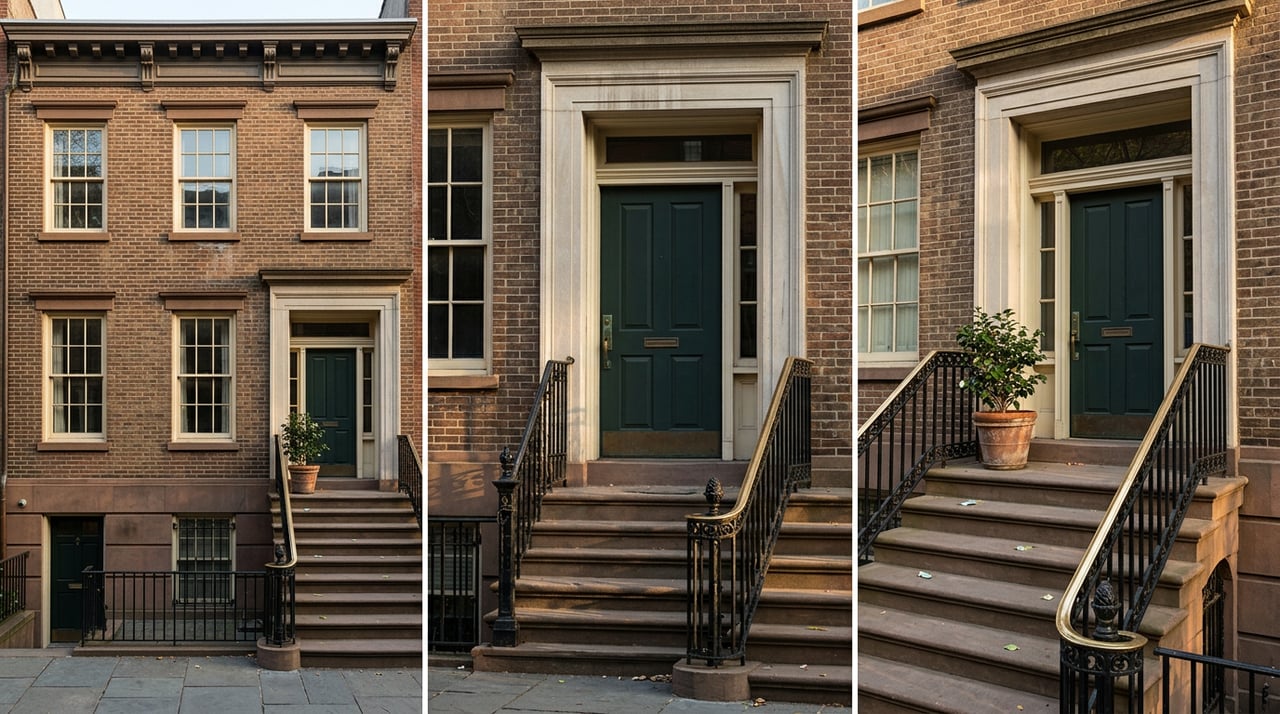
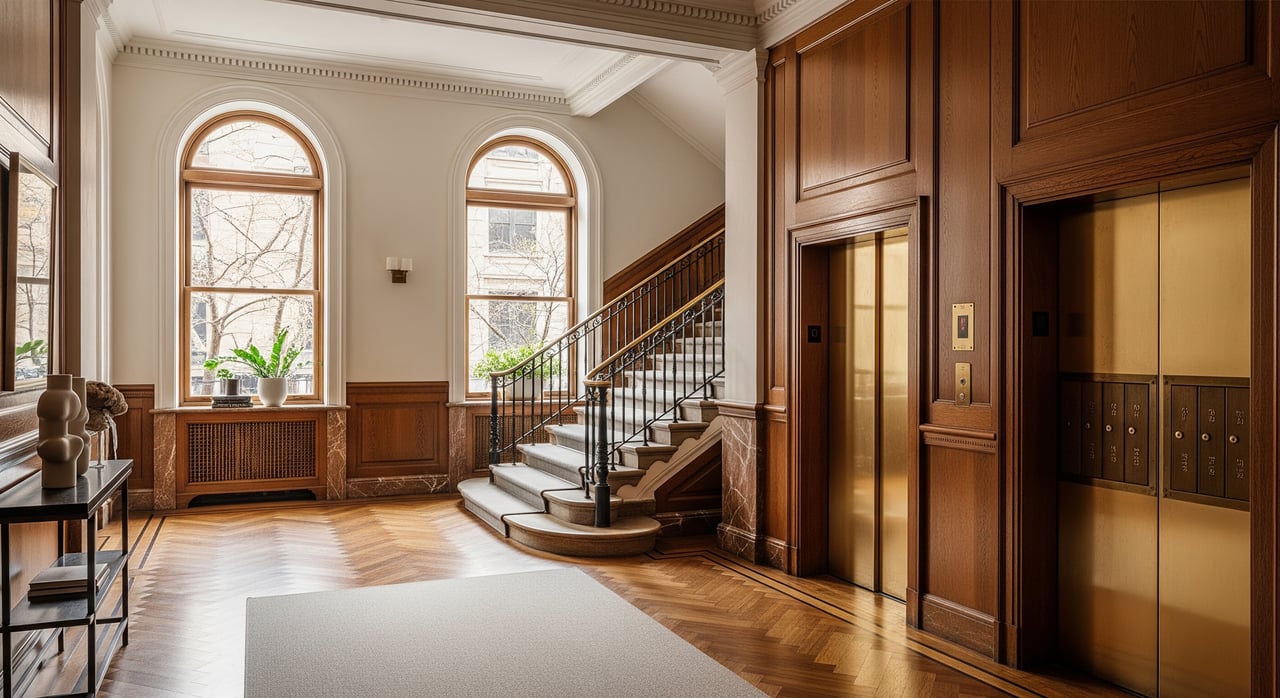
On the Upper East Side, especially along Park and Madison, many buildings are prewar, full service, and actively governed. Boards tend to be hands-on, with established rules and detailed review standards. That often means more documentation, stricter financial scrutiny, and a formal interview compared with most condos.
The approval process, step by step
Before you make an offer
- Ask about key building rules early. Confirm minimum down payment, sublet policy, renovation guidelines, and typical review timelines.
- If you are financing, get pre-qualified. Boards will want to see strong mortgage approval status.
From contract to board package
Once you have an executed contract, you will assemble a “board package.” This is the file the board uses to evaluate you. You and your attorney prepare it, often with help from your lender and agent. The building or managing agent supplies a specific checklist and application.
Your package will usually include: the building’s application, your signed contract, tax returns, W‑2s or 1099s, recent paystubs, bank and investment statements, proof of post-closing reserves, a mortgage commitment or proof of funds, personal and professional reference letters, a landlord reference if renting, photo ID, and sometimes a resume and short bio. If you are self-employed, expect to include business tax returns and profit and loss statements.
Board review timeline
Timelines vary by building and how complete your package is, but common ranges look like this:
- Package assembly: 1 to 4 weeks
- Board review after submission: 1 to 6 weeks
- Interview scheduling: 1 to 3 weeks
- Final decision: at the meeting or within a few days
Some boards meet monthly, which can extend timing if you miss a submission window. Additional document requests can add another week or two.
The interview
The interview is typically 10 to 30 minutes. The board uses it to confirm what is in your package and assess overall fit with building expectations. Expect questions about your job and income stability, intended use of the apartment, any renovation plans, pets, and prior co-op or condo experience. Buyers attend, board members attend, and the managing agent often joins. Attorneys rarely attend unless invited.
What UES boards look for
Financial standards
Financial strength is the top focus. Typical expectations include:
- Down payment: Many NYC co-ops expect 20 to 30 percent. Along Park and Madison, boards often prefer 30 to 50 percent or more to keep mortgage debt conservative.
- Liquidity: Boards want to see healthy post-closing reserves, often measured in months of carrying costs. Exact levels vary by building.
- Debt profile: Heavy personal debt can be a red flag. Boards review overall obligations, not just a single ratio.
- Income verification: Stable, well-documented income is preferred. Self-employed buyers should be ready with detailed tax records and business documentation.
- Guarantors: Some buildings allow guarantors, subject to board rules and full vetting.
Background and references
Boards may verify employment, contact references, and review public records. Past financial distress can be managed with clear documentation and context, but transparency is important.
Use and occupancy rules
Many UES co-ops prioritize primary residence use. Sublets are often limited and require board approval. Some buildings cap the share of units that can be sublet or require a period of residency before you can apply to sublet. Renovations usually need pre-approval, licensed contractors, insurance certificates, and a construction deposit.
House rules and lifestyle fit
Expect clear move-in and move-out procedures and respect for shared spaces. Many co-ops allow pets with restrictions on size or breed, and some require pet approval.
Tailored prep for two buyer types
First-time Manhattan buyer
Boards focus on your ability to carry the apartment and your history of responsibility.
- Document stable income with an employer letter and recent paystubs.
- Include 2 to 3 years of tax returns if available.
- Show verified funds for your down payment and reserves.
- Line up personal and professional references early.
- If you rent, add a landlord reference and proof of on-time rent.
- Secure a firm mortgage pre-approval.
Moving from a condo to a co-op
Boards often ask about your financing plan and your reason for moving.
- Explain your condo sale timeline and how proceeds fund the co-op purchase.
- Show post-closing liquidity in addition to your down payment.
- Include documentation of your homeowner experience. If you served on a condo board or handled renovations responsibly, that supports community-mindedness.
- Be ready to outline any planned renovations and how you will follow building rules.
Interview tips that work
- Be punctual, concise, and honest.
- Bring a one-page bio and a few lines on why you want this home and building.
- Expect questions on primary residence plans, subletting, pets, and any past issues.
- Do not hide surprises. If you have a recent job change or a gap in filings, share the context clearly.
Avoid delays and denials
Common delays
- Incomplete packages, such as missing tax returns or weak proof of funds.
- Board meeting schedules. Monthly meetings can push timing a few weeks.
- Back-and-forth on follow-up questions or clarifications.
- Lender delays that hold up a firm mortgage commitment.
Why boards deny or condition approval
- Insufficient post-closing liquidity.
- High personal debt or recent financial distress without a clear recovery.
- Plans to use the apartment in a way the building does not allow, such as investment use where sublets are capped.
- Negative references or adverse public records.
- Any misrepresentation or omission.
How to strengthen your file
- Increase your down payment or show additional reserves.
- Use an acceptable guarantor if the building allows it.
- Upgrade your mortgage pre-approval and share lender documentation.
- Be transparent about any issues and provide clear context.
- Work with an experienced attorney and an agent who knows the building norms.
Your board package checklist
Use this list to assemble documents and stay organized. Your managing agent will provide the building-specific packet.
- Completed building application and questionnaire
- Executed purchase and sale agreement
- Two to three years of personal federal tax returns and schedules
- W‑2s or 1099s for those years and recent paystubs or benefit statements
- Employer letter on company letterhead with salary, position, and start date
- Mortgage pre-approval or commitment letter, or proof of funds for all-cash
- Bank statements for checking and savings, usually last 2 to 3 months
- Investment account statements, latest monthly or quarterly
- Proof of down payment source, including gift letters if applicable
- Personal and professional reference letters, usually 2 to 4
- Landlord reference if you are renting, or prior homeowner references
- Photo ID for each buyer
- Attorney and lender contact information
- If self-employed, profit and loss statements and business tax returns
- Pet details if relevant, such as photo and vet records
- Renovation outline or contractor info if you plan to do work
Interview prep one-pager:
- Short bio, including job, household details, and why this building
- Intended use statement, such as primary residence
- Notes on any items that could raise questions and your clear explanations
- Copies of key documents to bring to the interview
After approval or denial
If approved, the board issues a consent letter. Your attorney coordinates with co-op counsel and your lender to schedule closing. If approval comes with conditions, confirm them in writing and make sure they are reflected in the closing documents.
If denied, boards rarely share detailed reasons. You can ask the managing agent for general guidance, correct any gaps, and resubmit if allowed. You might adjust your financing structure or consider a different building that aligns better with your profile and use.
Finding the right Upper East Side co-op is as much about preparation as it is about the perfect floor plan. With the right strategy, a complete file, and steady guidance, you can move from offer to approval with confidence. If you would like tailored help assembling your board package or navigating a specific Park or Madison Avenue building, connect with The Saez + Fromm Team for a private consultation.
FAQs
How long does UES co-op board approval take?
- From submission to decision, many buyers see 2 to 8 weeks, depending on meeting schedules and whether the board requests more documents.
What down payment do Upper East Side co-ops prefer?
- Many co-ops accept 20 to 30 percent, while Park and Madison Avenue buildings often prefer 30 to 50 percent or more to keep debt levels conservative.
What post-closing reserves do boards want to see?
- Requirements vary by building, but many boards expect clear liquidity to cover months of carrying costs after closing.
Can I buy a UES co-op as a pied-à-terre or investment?
- Policies differ. Many buildings prioritize primary residences and limit sublets or require board approval for each sublet.
Will being self-employed hurt my chances of approval?
- Not necessarily. Be ready with detailed tax returns, profit and loss statements, and strong reserves to show stability.
What happens if the board denies my application?
- You can ask the managing agent for general feedback, correct issues, and resubmit if allowed, or consider adjusting financing or pursuing another co-op.