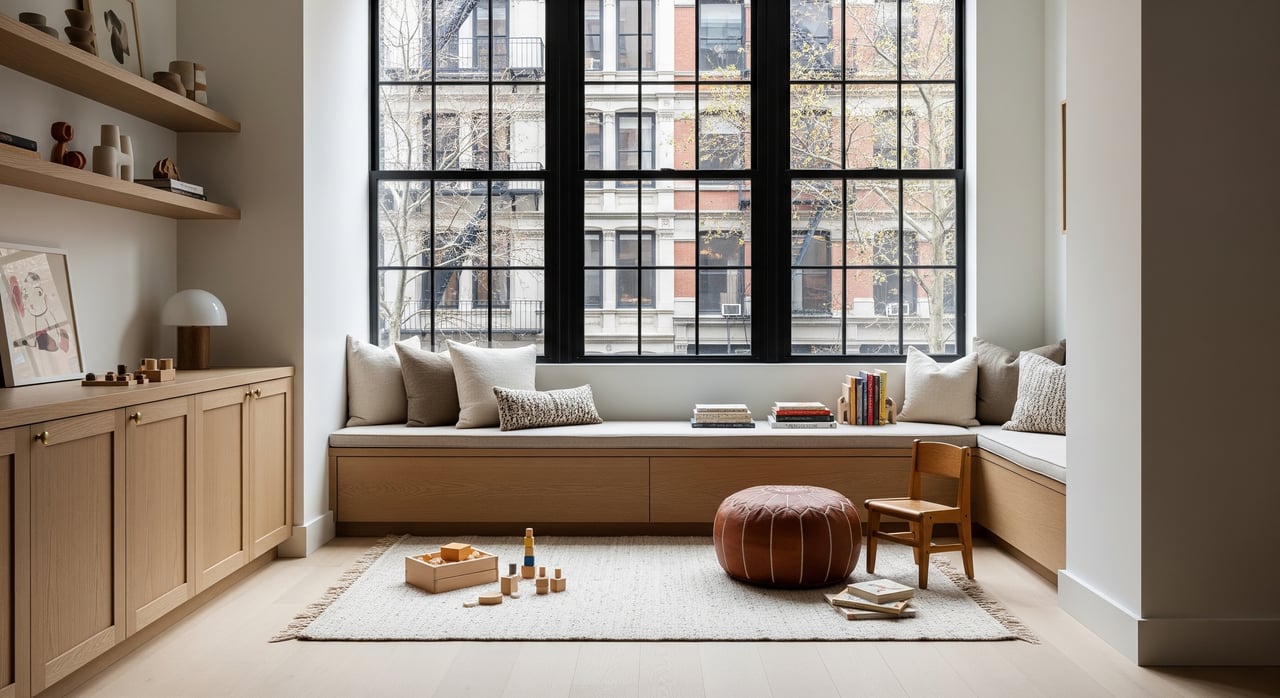
Raising A Family In Tribeca: Daily Life And Schools
February 5, 2026
February 5, 2026
Could Tribeca really work for your family? If you love downtown energy but want a practical, walkable routine with strong school options and easy park access, this neighborhood deserves a close look. In this guide, you’ll learn how schools and childcare work, what daily life feels like, how commuting plays out, and the apartment features that matter most for families. Let’s dive in.
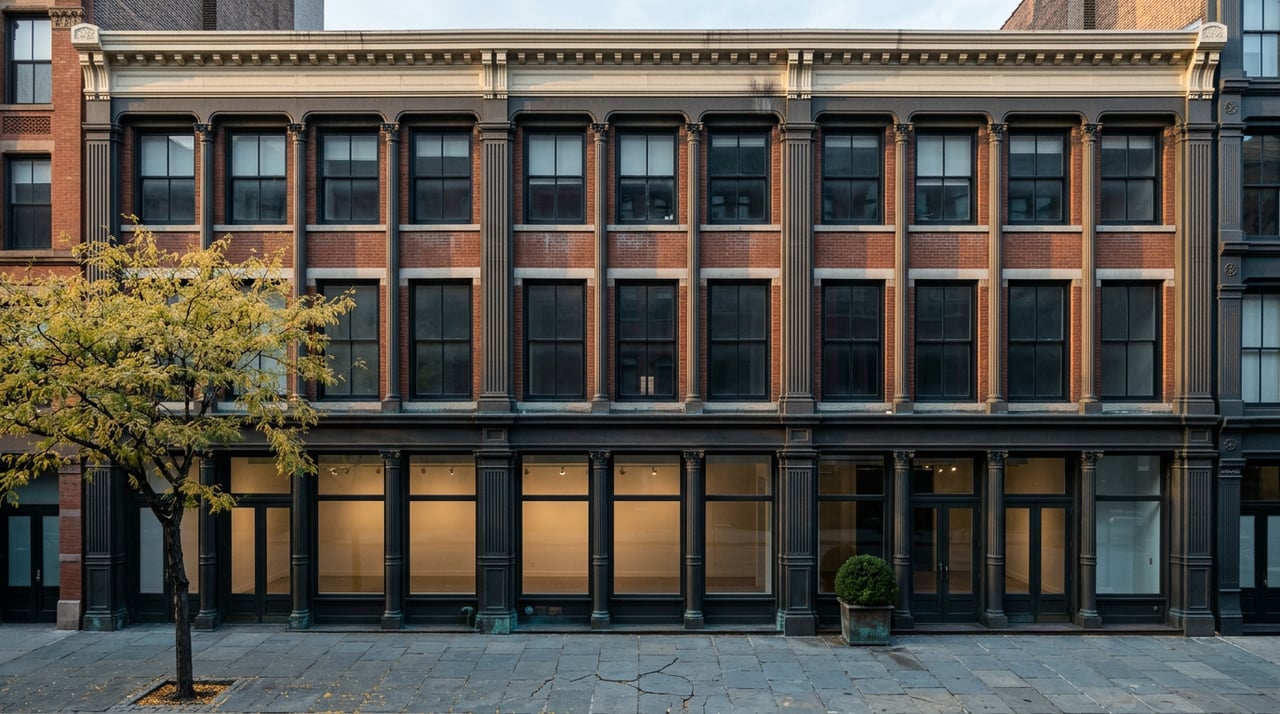
Tribeca blends historic loft living with modern services and amenities. You’ll find converted industrial lofts, luxury condos and co-ops, plus a smaller number of townhouses. Families choose Tribeca for its reputation for dining, culture and proximity to the Hudson River waterfront.
Apartments often trade private yards for immediate access to parks and playground programming. The neighborhood is generally perceived as family friendly with a lower-noise feel compared with some downtown areas. Block-by-block activity varies, so touring at different times of day is helpful.
Many buildings are former warehouses converted to residential use, paired with newer full-service condo towers. For families, the right layout and building services can be the difference between a smooth routine and a daily squeeze.
Key considerations:
New York City has a structured, centralized approach to public school admissions, with additional private and charter options nearby. Tribeca sits within Manhattan’s District 2 for elementary zoning.
Elementary school placement is typically based on a zoned school tied to your home address. District 2 serves much of downtown Manhattan, including Tribeca. Boundaries can change, and some schools may have waitlists. Always verify your address and zoning through the NYC Department of Education.
Middle and high school placements often involve citywide or boroughwide applications. Many families explore both public and private pathways depending on program fit and commute.
Neighborhood families frequently reference P.S. 234 (Independence School) among downtown elementary options in District 2. Availability and zones change over time, so confirm current details directly with the NYC Department of Education and review each school’s program offerings and after-school care.
NYC offers universal Pre-K and 3-K through the Department of Education with a centralized annual application. Deadlines are seasonal and shift year to year. Review current timelines and seat availability via the NYC Department of Education. Many families also look at private preschools and cooperative programs; waitlists are common, so starting early helps.
Lower Manhattan features a range of private and independent schools, from small preschools to larger K–12 institutions. Admissions can be competitive. Consider commute, school philosophy, and aftercare. Independent review resources like InsideSchools and GreatSchools can provide parent perspectives and program snapshots. For charters, research application windows and lotteries well in advance.
Tribeca’s public spaces are a major part of family life. You’ll rely on nearby parks, playgrounds and community programming for daily play, weekend activities and after-school time.
The western edge of Tribeca opens to the Hudson River with sweeping green space, bike paths and active piers. Pier 25 is a favorite for families, with a large playground, mini-golf and sand play. For broader options and to scan playground listings citywide, browse the NYC Parks directory.
This neighborhood park offers playgrounds and community garden programming that suits toddlers and younger children. Smaller pocket parks throughout Tribeca provide quick outdoor breaks when you need fresh air close to home.
You’ll find music, art, dance and martial arts studios throughout Tribeca and in nearby SoHo, Battery Park City and the West Village. Swim lessons are available through private pools and seasonal programs. The New York Public Library’s lower Manhattan branches host storytimes and homework help.
Tribeca is both walkable and transit-rich. Multiple subway lines and bus routes connect you to Midtown, Brooklyn, Queens and beyond, with major hubs nearby.
Car ownership is less common due to cost and parking constraints. If you need a vehicle, look for buildings with garage access or nearby monthly parking.
Living in Tribeca offers convenience and culture, but it comes with premium pricing. Factor in buy or rent costs, monthly common charges or maintenance, utilities, childcare or school fees, and extracurriculars. If you plan to keep a car, add garage fees; if not, budget for transit.
Building lifestyle matters. Doorman and elevator access streamline deliveries and stroller use. Laundry in-unit reduces daily friction. Open lofts can transfer sound more than traditional layouts, so assess noise and ventilation.
If school timing is the driver, map your move around application cycles.
Finding the right Tribeca home is about more than square footage. It is about fitting your family’s routine to a neighborhood’s schools, parks and commute. If you want tailored guidance on buildings, blocks and timelines, connect with the SAEZFROMM Team for a private, downtown-focused consultation.
Stay up to date on the latest real estate trends.
October 15, 2026
October 8, 2026
October 1, 2026
September 24, 2026
September 17, 2026
September 10, 2026
September 3, 2026
August 27, 2026
August 20, 2026
As a top team at Douglas Elliman, SAEZFROMM continues to deliver the greatest value to our buyers, sellers, developers, and investors. Our focus is on one thing above all others: our clients, their needs, and what makes them happy.
SAEZFROMM
M: (212) 203-1798
O: (212) 891-7181
[email protected]
Douglas Elliman Real Estate
140 Franklin St
New York NY 10013