What makes two penthouses with the same square footage sell for wildly different prices in Manhattan? If you’ve toured a few, you know the answer is more than views or address. Ultra-luxury pricing blends art, scarcity, and market timing with hard data, which can feel opaque from the outside. This guide breaks down how pricing really works, why premiums can swing so widely, and the step-by-step framework you can use to evaluate or position a trophy penthouse. Let’s dive in.
Manhattan trophy penthouses at a glance
Manhattan’s luxury segment operates in its own lane. The Elliman Report shows the top tier is tracked separately, with price-per-square-foot benchmarks well above the borough’s averages and a cash-heavy buyer pool that moves differently than the broader market source: Elliman Report via Miller Samuel.
At the very top, new-development closings show a striking range. Marketproof’s NYC snapshots report penthouse trades from the low $3,000 per square foot band to singular trophies over $10,000 per square foot, including an Aman Residences penthouse reported near $10,202 per square foot source: Marketproof.
Record-setters highlight how uniqueness drives pricing. Consider Ken Griffin’s quadplex purchase at 220 Central Park South, a case study in how park-front exposure, scale, and an amenity stack can push values far beyond building or neighborhood norms background: The Real Deal.
What drives the premium
Views and orientation
- Why it matters: Direct Central Park exposures and wide-open skyline panoramas command global demand and scarcity premiums. That is often the single biggest adjustment brokers make.
- How to talk about it: Be precise about exposure, double-facing rooms, and whether views are protected or at risk of future obstruction. CityRealty’s coverage of Manhattan’s top sales underscores how iconic sightlines underpin record prices context: CityRealty.
Private outdoor space
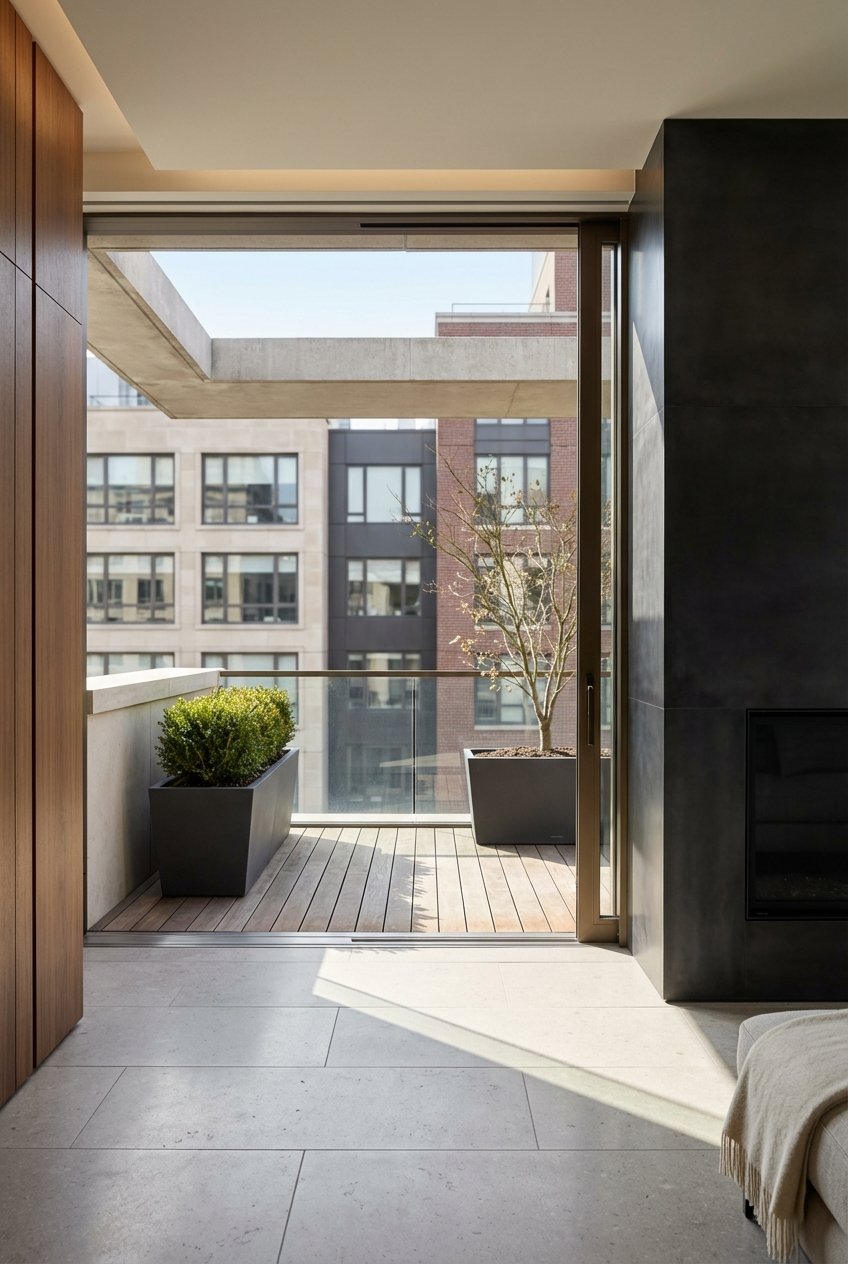
- Why it matters: Usable terraces and loggias add real lifestyle value, especially when sheltered and equipped for entertaining.
- How it’s valued: Brokers may value terrace square footage at a fraction of interior PPSF or apply a unit-level premium, with usability and infrastructure driving the adjustment Marketproof examples.
- What to note: Square footage, orientation, privacy, outdoor kitchens, winter plumbing, and landscaping planters all matter.
Ceiling height and vertical volume
- Why it matters: Double-height rooms and grand salons create drama and rarity that you cannot replicate lower in the stack.
- How it’s valued: Appraisers log ceiling height as a qualitative premium, while marketing leads with great rooms and 12–20 foot volumes because they convert into resale desirability Marketproof trends.
Privacy and dedicated access
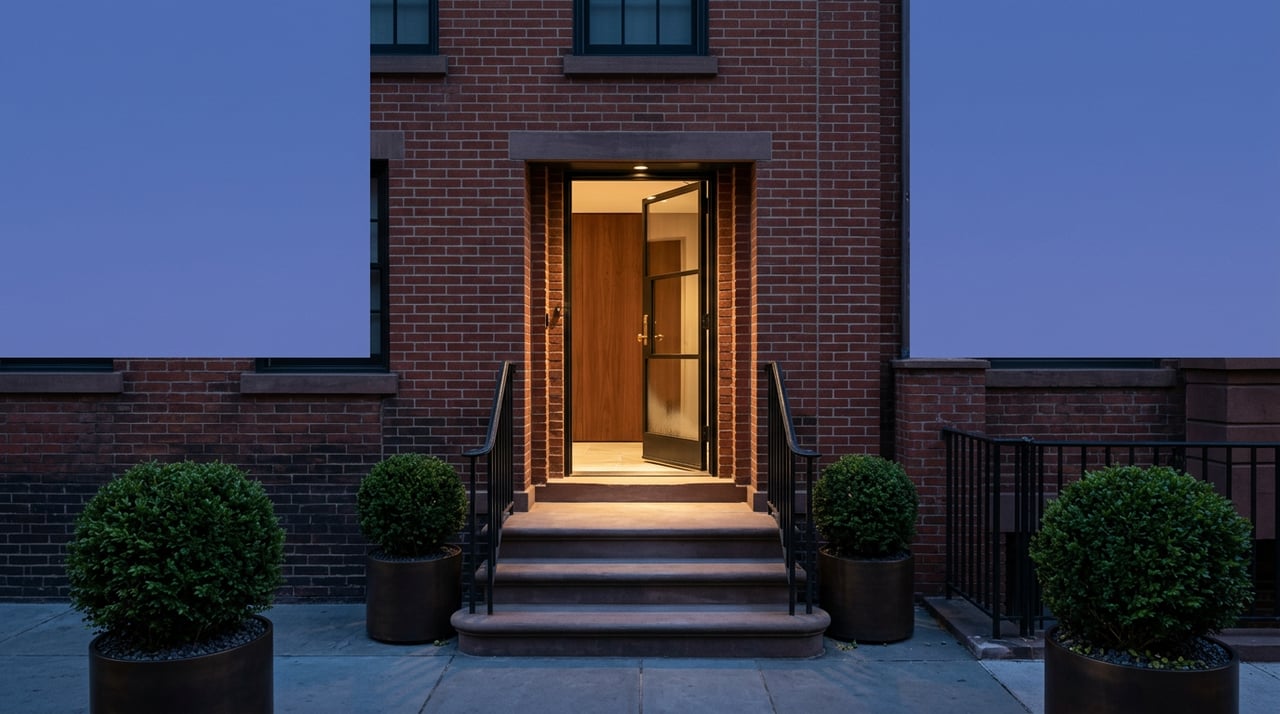
- Why it matters: Private elevator landings, full-floor or half-floor footprints, and discreet entries shift the buyer pool to clients who pay for exclusivity and security.
- How it’s valued: Offerings emphasize private landings and limited corridors. These features often justify a clear adjustment in a comparative analysis CityRealty context.
Product type: boutique vs supertall
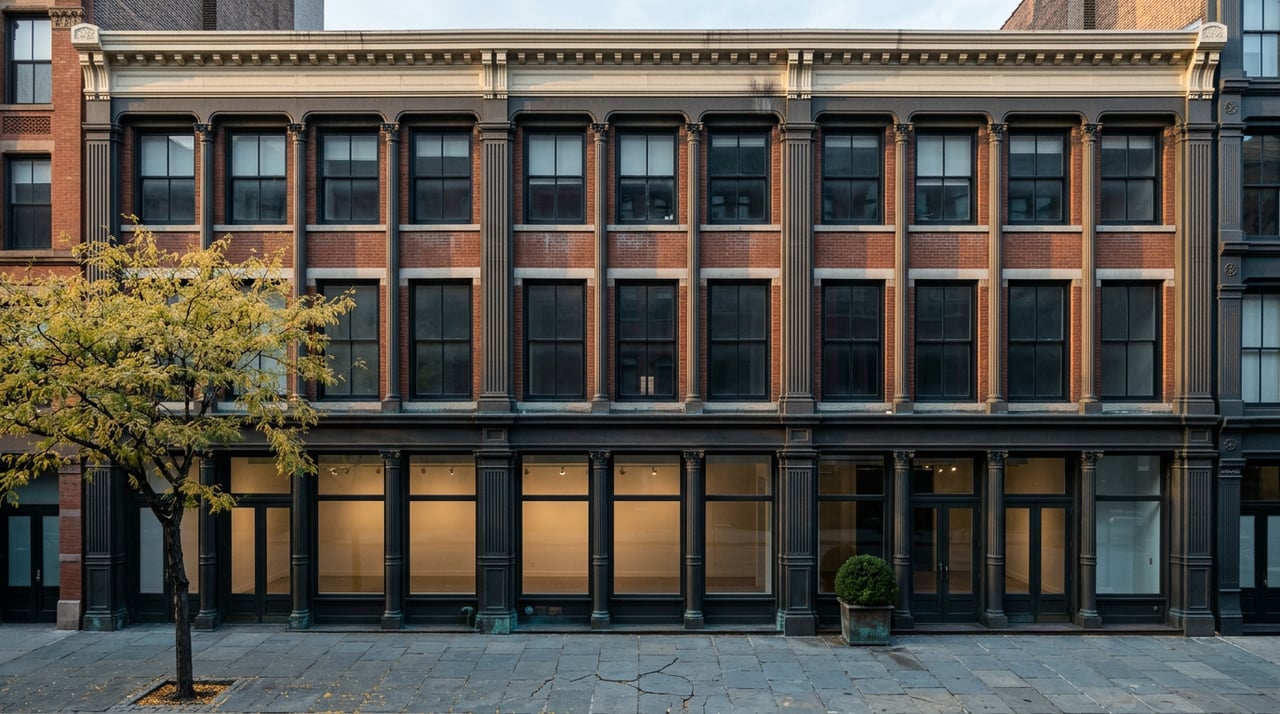
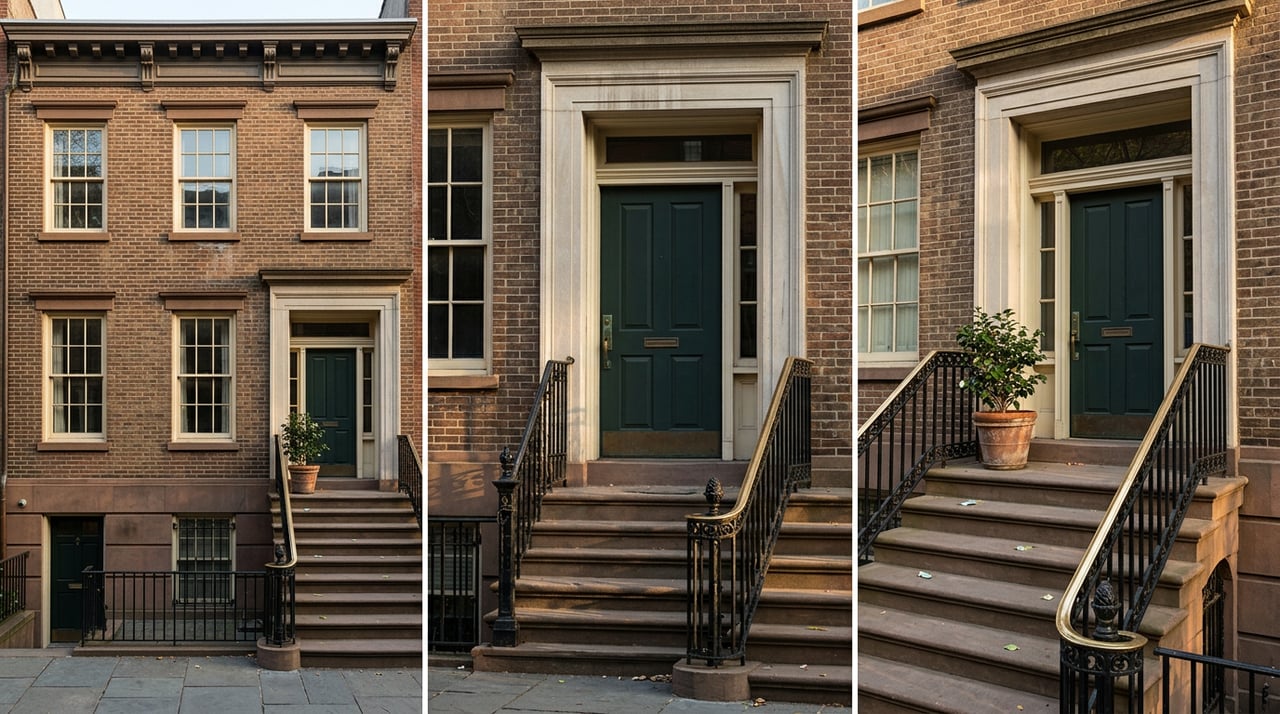
- Why it matters: A limestone prewar co-op speaks to a different buyer than a glass supertall. Those preferences change liquidity, comparables, and pricing bands.
- How it’s valued: Brokers look first to comps within the same product class to set a realistic PPSF baseline Elliman Report benchmarks.
Amenity programming and private clubs
- Why it matters: Private dining, resident-only pools, wellness floors, and in-building clubs are engineered to support top-end pricing.
- How it’s valued: Amenity stacks are cited in offering plans and marketing as part of the case for the ask, with narrative adjustments rather than fixed percentages Marketproof data.
Finishes, design pedigree, and provenance
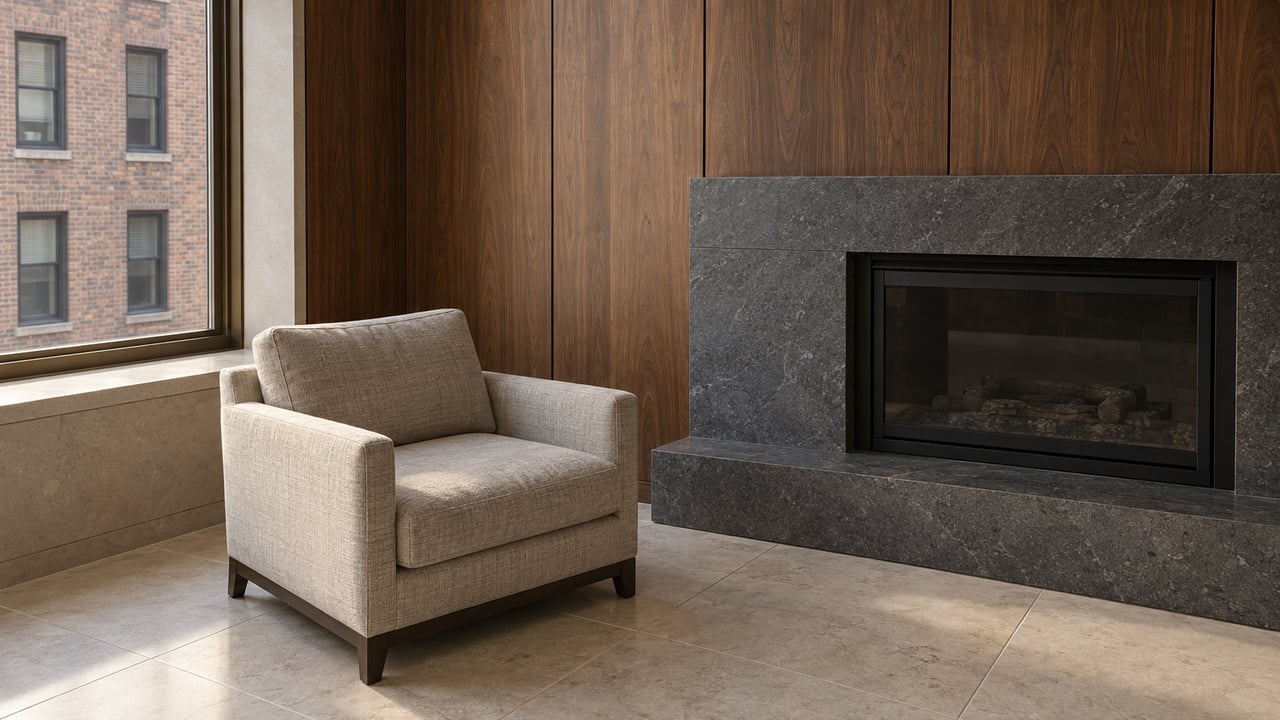
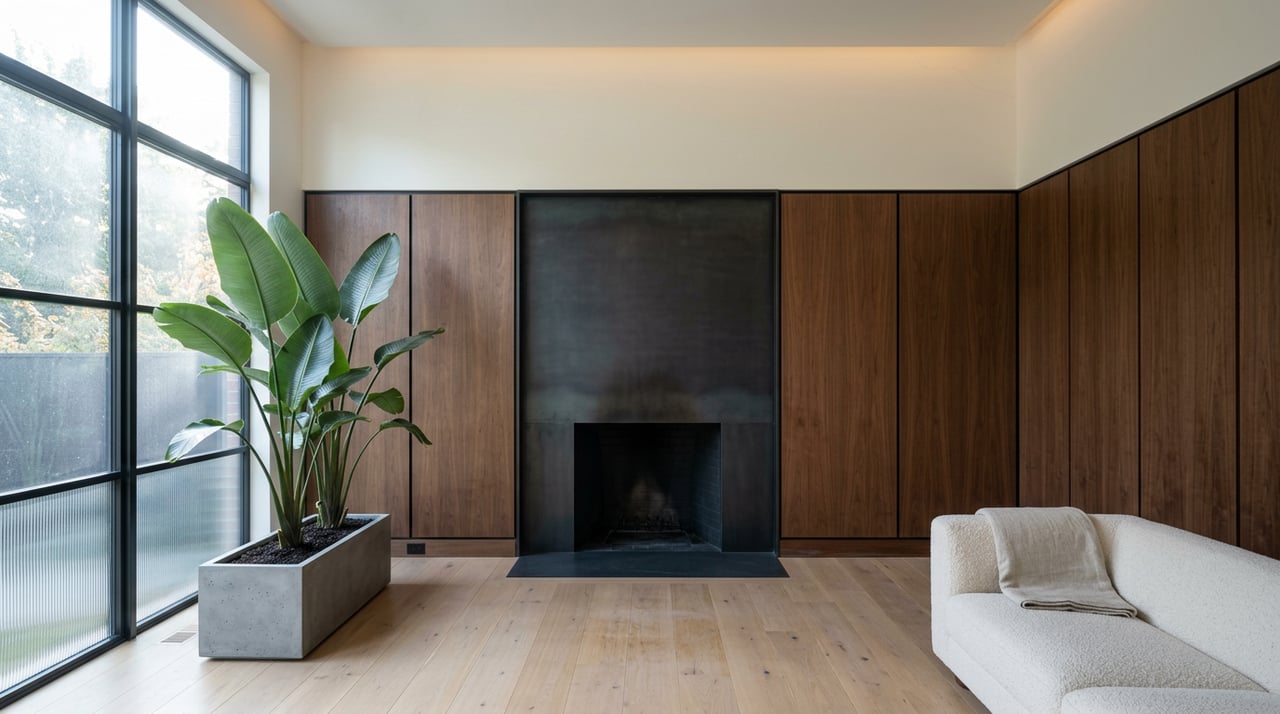
- Why it matters: Star-architect design, bespoke millwork, museum-level art walls, or notable prior ownership can push a penthouse into trophy territory.
- How it’s valued: These intangibles become headline features that justify premiums beyond raw square footage The Real Deal background.
Ownership form and governance
- Why it matters: Co-ops often have stricter approvals, financing limits, and flip taxes, which can narrow the buyer pool. Condos are typically more flexible and attract international and investor demand.
- How it’s valued: Governance features factor into liquidity assumptions and the PPSF range you can defend Elliman Report.
Market liquidity and timing
- Why it matters: The $4M-plus market reacts quickly to shifts in global capital and seasonality. When multiple UHNW buyers are active, premiums widen. When they step back, marketing times stretch.
- How to track it: Donna Olshan’s weekly Luxury Market Report is a go-to snapshot of contracts signed and negotiation trends in real time Olshan weekly report.
A practical framework to price a penthouse
Use this step-by-step workflow to align expectations and set a strategic ask. It is the process brokers and appraisers rely on, adapted for clarity.
Step 1: Define comps and buyer pool
- Start with three to six sales in the same building if possible. If not, use immediate neighboring buildings with similar exposures and amenity profiles.
- Anchor your PPSF with reputable datasets like the Elliman Report and Marketproof’s new-development report for the top-of-market range Elliman benchmarks and Marketproof anchors.
- Clarify the likely buyer: art-collector seeking privacy, international buyer focused on simplicity, or a domestic household prioritizing space and services. Your ceiling price changes with the buyer set.
Step 2: Establish a baseline PPSF
- Select the closest interior comps by product type and exposure, then average or weight them to form a baseline. Use recent, closed trades to avoid stale pricing.
- In neighborhoods with trophy new-development closings, let those sales set the high watermark that defines the upper band of possibility.
Step 3: Build the adjustment grid
- Itemize differences line by line: floor height, view quality, outdoor square footage and usability, ceiling height and volume, private elevator/landing, layout contiguity, finish level, in-building amenities, and ownership constraints.
- Treat each comp separately. Produce adjusted PPSF conclusions rather than relying on universal percentage rules. This is how you arrive at a defensible range.
Step 4: Layer in market timing
- Decide on a strategy: price to make a headline and wait, or price for speed. In the luxury segment, both approaches are common.
- Use weekly luxury market reads to judge leverage and expected negotiation time Olshan weekly report. Weigh carrying costs against the likelihood of price cuts over time.
Step 5: Choose your distribution strategy
- Many trophy listings launch privately to a curated list before going public. That discretion can preserve a premium when supply is thin.
- Broad exposure can widen the buyer pool but also creates public comparables that shape negotiation.
Step 6: Finalize the ask and narrative
- Pair your adjusted PPSF range with a single, clear asking price and a planned cadence for review windows and trims.
- Lead with a concise narrative that explains the premium: exact views, terrace design, vertical volume, private access, amenity stack, and pedigree.
Why similar-size penthouses diverge in price
- Location and view: A direct, protected Central Park panorama draws a different buyer set than a side-street city view and can spark bidding CityRealty examples.
- Outdoor space: A large, sheltered terrace with infrastructure functions like additional living area and entertains at scale, while a narrow balcony does not Marketproof insights.
- Vertical volume and layout: A contiguous entertaining suite with 12–20 foot ceilings has stronger top-end demand than smaller, segmented rooms.
- Product and governance: Boutique prewar co-op vs amenitized tower attract different buyer pools and price bands Elliman Report.
- Liquidity and timing: The UHNW pool is small and often all-cash. When multiple buyers are active, prices spike. When they pause, discounts widen and days on market stretch Olshan weekly report.
Seller and buyer takeaways
If you are selling
- Document the rare: Measure terrace square footage, capture protected view corridors, and highlight ceiling heights and private access.
- Price from comps up, not from wishful premiums. Use an adjustment grid to defend your PPSF and align your marketing window with your target net proceeds.
- Match strategy to timing: Decide whether discretion-first or a broad launch will best reach your buyer pool right now.
If you are buying
- Compare like for like: Judge PPSF within product type and view class before you weigh finishes and pedigree.
- Value usability: Favor outdoor space and layouts you will use every day. Check for winterized plumbing, loggias, and practical wind/sun exposure.
- Watch the weekly tape: Short-term luxury reports can signal where negotiation leverage is shifting in the $4M-plus band Olshan weekly report.
Work with a team that blends art and analysis
At this level, pricing is not just math. It is market craft, timing, and presentation. You deserve an advisor who can position your penthouse to capture its full premium or help you underwrite a purchase with clarity and conviction. For private guidance on a sale, buy-side valuation, or off-market strategy, connect with the SAEZFROMM Team for a confidential consultation.
FAQs
How are Manhattan penthouses usually priced per square foot?
- Brokers start with recent, similar comps to set a PPSF baseline, then adjust up or down for view quality, outdoor space, ceiling heights, privacy, finishes, amenities, and ownership form, using market reports as anchors Elliman and Marketproof.
Why do some penthouses sell above $10,000 per square foot?
- Singular combinations of protected park or skyline views, scale, private outdoor space, club-level amenities, and pedigree can push a home into trophy territory, as Marketproof has documented Marketproof example.
Do co-ops and condos price differently at the top end?
- Yes. Co-ops often have stricter approvals and policies that narrow buyer pools, while condos are generally more flexible and attract global demand, which can support higher PPSF in some submarkets Elliman Report.
How quickly can negotiation leverage shift for trophy listings?
- In the $4M-plus band, leverage can change week to week based on supply, seasonality, and global risk appetite, which is why many track weekly contracts signed in Olshan’s report Olshan weekly report.
What is the best way to set a strategic ask for a one-of-a-kind penthouse?
- Build a comps-first PPSF baseline, document rare features with measurements and photography, decide on a quiet vs public launch, and align your ask with your desired timing and net outcome while monitoring weekly luxury activity Olshan guidance.