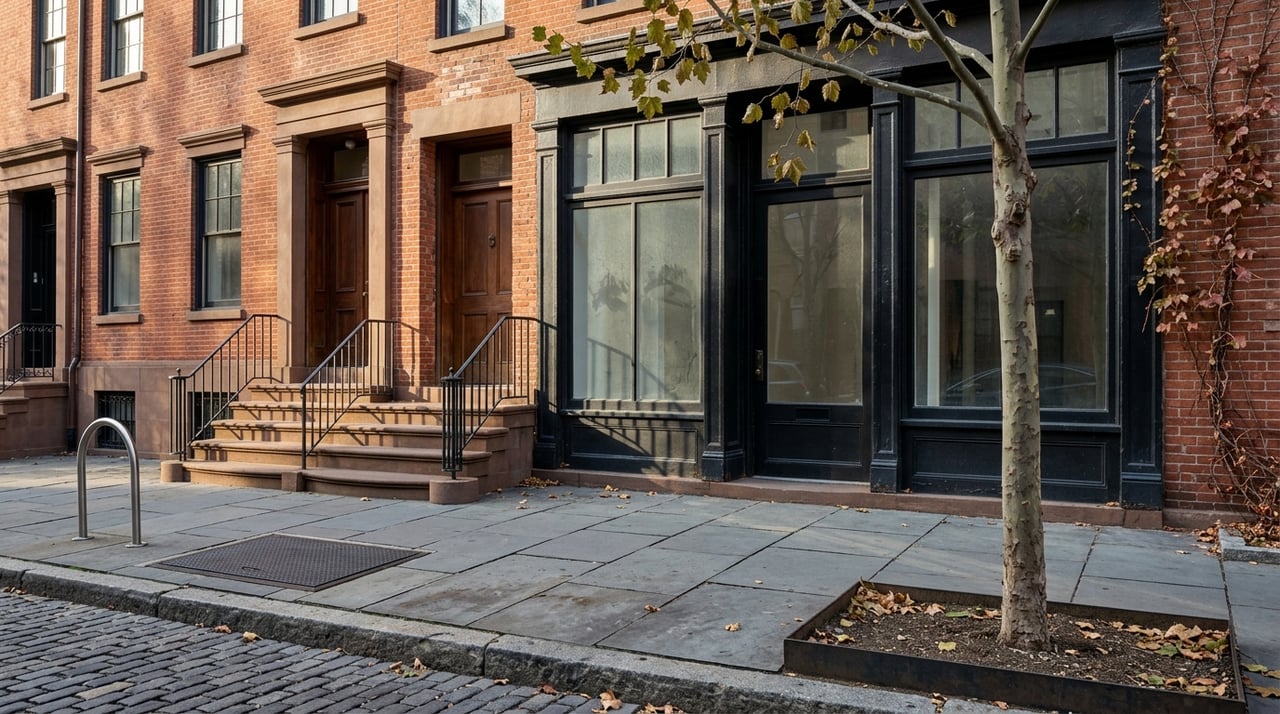
Living Car-Free In SoHo: A Walkable Lifestyle
April 23, 2026
April 23, 2026
If you are considering life in downtown Manhattan, one question often shapes the entire search: do you really need a car? In SoHo, the answer is often no. For many buyers and renters, this neighborhood makes it possible to handle daily routines on foot, commute by subway, and use a bike for short downtown trips.
That matters because lifestyle is not a small detail here. In a neighborhood known for cast-iron architecture, active streets, and easy access to multiple parts of lower Manhattan, going car-free can feel less like a sacrifice and more like a smart fit for the way you want to live. Here is what makes SoHo one of Manhattan’s strongest places for a walkable, transit-connected lifestyle. Let’s dive in.
SoHo stands out because convenience is built into the neighborhood. Walk Score rates SoHo at 99 for walkability, 100 for transit, and 92 for biking, noting that daily errands do not require a car.
Those numbers line up with how the district functions in real life. The SoHo Broadway district includes about 25,000 residents, 21,000 workers, 1.5 million square feet of retail, 3 million square feet of office space, and more than 111,000 daily subway riders. In simple terms, SoHo operates more like a dense urban hub than a traditional residential enclave.
For you, that means many everyday tasks can happen close to home. Grabbing essentials, meeting friends, heading to work, or crossing into nearby downtown neighborhoods can often happen with a short walk or a quick train ride.
One of SoHo’s biggest advantages is that walking feels natural here. The neighborhood sits within a larger lower Manhattan network that connects easily to Greenwich Village, Tribeca, NoHo, Nolita, Chinatown, the Lower East Side, and the East Village, according to the MTA downtown neighborhood map.
That compact geography changes how you experience the city. Instead of planning around traffic, parking, or long door-to-door travel times, you can often move through your day block by block. A coffee meeting in Nolita, dinner in the West Village, or errands near Canal Street may all fit into a routine that feels highly walkable.
The street-level activity also supports that lifestyle. The SoHo Broadway Initiative reports that the corridor reached an 89% retail occupancy rate in January 2026, the highest since tracking began in 2018. A strong retail presence helps keep daily needs close at hand, which is one of the real foundations of car-free living.
Even if you love to walk, transit access still matters. This is where SoHo becomes especially compelling.
According to the MTA’s Manhattan neighborhood maps, key nearby subway anchors include:
That range of lines gives you multiple ways to move uptown, downtown, crosstown through connections, and across lower Manhattan. It also gives you options, which is often what makes city transit feel practical day to day.
If one route is less convenient at a given moment, another may be only a few blocks away. For residents who value flexibility, that kind of network access is often more useful than simply being close to a single station.
Subways do most of the heavy lifting, but buses add another layer of convenience. Walk Score’s SoHo data highlights nearby bus service including the M55 and M22, along with express routes.
That matters for shorter trips, crosstown connections, and days when you want an alternative to the subway. In a neighborhood where people often combine walking and transit within the same outing, buses can round out the system in a useful way.
If you like the idea of biking around downtown, SoHo offers a strong starting point and improving infrastructure. Walk Score gives the neighborhood a bike score of 92, which reflects a location that is already highly usable for cycling.
The city is also planning more support for riders. In a March 2026 announcement, NYC DOT said it plans a continuous parking-protected two-way bike lane from Prince Street in SoHo to 15th Street in Union Square along Lafayette Street and Fourth Avenue. The same announcement notes that a Citi Bike station will be moved off the sidewalk to improve pedestrian space.
For a car-free resident, that is a meaningful improvement. It suggests that short trips between SoHo and other downtown destinations may become even more comfortable by bike, while still preserving walkability at street level.
NYC DOT also publishes an official bike map and bike parking map, which can help you understand route options and practical storage access if biking is part of your daily routine.
Car-free living in SoHo works best when you think in layers. Walking covers many local needs. The subway supports longer commutes and citywide access. Bikes can handle short downtown trips efficiently.
That mix is what makes the neighborhood so functional. Rather than relying on one mode of transportation for everything, you can choose the option that best fits the moment.
A typical day might look like this:
In SoHo, that kind of routine can feel normal rather than aspirational.
Not every downtown neighborhood offers the same kind of car-free experience. SoHo’s appeal comes from the combination of strong transit, dense retail, and a compact walking radius, all set within one of Manhattan’s most architecturally distinctive districts.
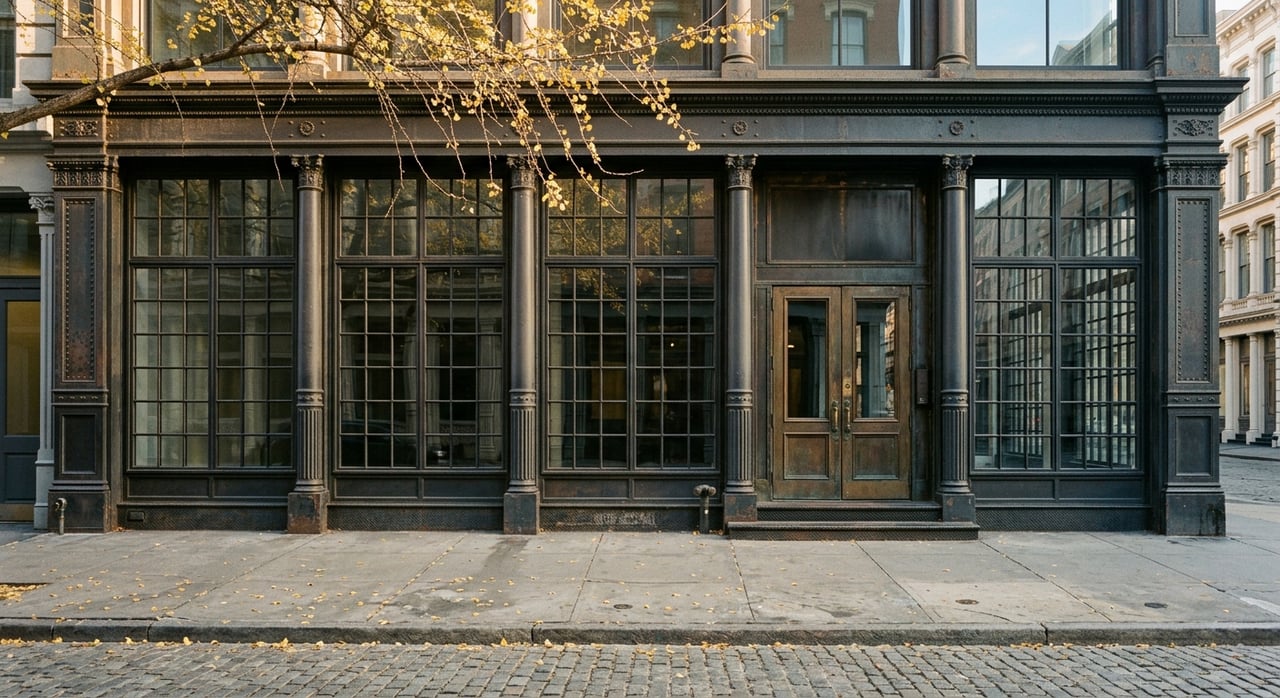
The SoHo Broadway Initiative highlights the neighborhood’s cast-iron historic district, which includes about 500 buildings, along with a public realm plan focused on more space for people, more greenery, better connectivity, and improved traffic safety. That people-first approach supports the idea that SoHo is not simply manageable without a car. In many ways, it is designed for life without one.
At the same time, it helps to be realistic. SoHo is highly active and mixed-use, with a busier and more commercial street environment than a quieter, more purely residential neighborhood. For some buyers, that energy is exactly the point. For others, it may be something to weigh when comparing SoHo with nearby areas like Tribeca, the West Village, or Greenwich Village.
If you want a lifestyle centered on ease of movement, access, and downtown connectivity, SoHo makes a strong case. You can often accomplish daily errands on foot, tap into a wide range of subway lines, and use biking as a realistic option for nearby destinations.
The bigger question is less about whether you can live here without a car and more about whether you want the rhythm that comes with it. SoHo offers a convenience-driven, urban experience with active streets, excellent transit access, and a strong sense of connection to the rest of downtown Manhattan.
If that sounds like the way you want to live, SoHo deserves a close look. And if you are comparing homes in SoHo with other downtown neighborhoods, the SAEZFROMM Team can help you evaluate how each location aligns with your day-to-day priorities, design preferences, and long-term goals.
Stay up to date on the latest real estate trends.
June 25, 2026
June 18, 2026

June 11, 2026
June 4, 2026
May 28, 2026

May 21, 2026
May 14, 2026
May 7, 2026
April 23, 2026
As a top team at Douglas Elliman, SAEZFROMM continues to deliver the greatest value to our buyers, sellers, developers, and investors. Our focus is on one thing above all others: our clients, their needs, and what makes them happy.

SAEZFROMM
M: (212) 203-1798
O: (212) 891-7181
[email protected]
Douglas Elliman Real Estate
140 Franklin St
New York NY 10013