Staging A Classic Six On The Upper East Side
April 2, 2026
April 2, 2026
Selling a classic six on the Upper East Side is not the same as selling a sleek new condo. Buyers are often looking for something more layered: prewar character, graceful room flow, and spaces that still work for modern life. If you want your apartment to stand out in a market where buyers have options, thoughtful staging can help them understand the value right away. Let’s dive in.
The Upper East Side is currently a buyer’s market, with a median home price of $1.65 million, median days on market of 91, and homes selling an average of 2.64% below asking, according to Realtor.com neighborhood data. That means presentation matters.
In Manhattan, co-op resales are still active, but buyers are selective. Douglas Elliman’s Manhattan Q4 2025 report shows a median co-op resale price of $825,000 and a median of 72 days on market. In practical terms, your home needs to communicate layout, light, and livability before a buyer starts focusing on what they may want to update.
A classic six is a prewar six-room apartment that typically includes a living room, formal dining room, kitchen, two bedrooms, and a smaller room off the kitchen, often the former maid’s room. As StreetEasy explains, these homes also often include at least two bathrooms, plus closets and pantries, and became especially popular on the Upper East Side in the 1920s.
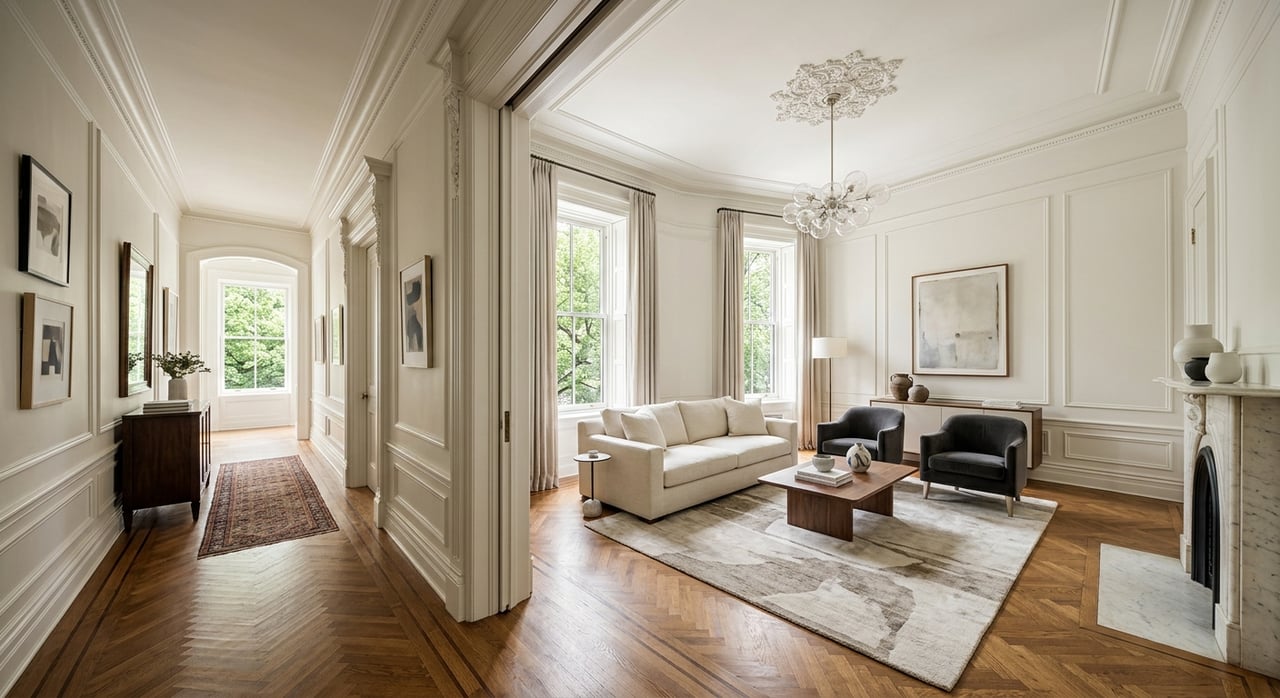
Today, Upper East Side listings still highlight the same features buyers associate with this layout: formal foyers, beamed or high ceilings, original parquet or herringbone floors, crown moldings, fireplaces, large windows, and a flexible staff room that can serve as an office. You can see that language reflected in current Upper East Side listing marketing. That is why staging should support the home’s original plan rather than trying to make it feel like something it is not.
In many classic six homes, the foyer or gallery sets the tone. It is the first clue that the apartment has a gracious prewar layout, with rooms unfolding in a deliberate sequence.
Keep this area open and lightly furnished. A narrow console, a mirror, or one well-scaled piece can define the space without blocking flow. The goal is to make the arrival feel intentional and calm.
Buyers should understand the apartment’s circulation within seconds. If the gallery feels crowded or awkward, the whole home can seem smaller or less elegant than it really is.
Try to remove extra pieces that interrupt sightlines. In a classic six, room-to-room drama is part of the appeal, so your staging should make that progression feel easy and natural.
One of the biggest mistakes in staging an older home is covering up the very features that make it special. Realtor.com’s guidance on staging older homes notes that buyers often value original hardwood floors, crown molding, pocket doors, fireplaces, and paneling.
For a classic six, that usually means repair, polish, and simplify rather than replace. If your floors need attention, refinish or polish them. If moldings or trim need touch-ups, address those details before photography and showings.
You do not need a full redesign to make a strong impression. In most cases, a restrained approach works better than trying to force a modern look onto a prewar home.
Keep furnishings current but understated. The apartment should feel fresh and relevant, while still reading clearly as a classic Upper East Side residence.
Current Upper East Side classic six listings often emphasize oversized windows, multiple exposures, and open views. Buyers notice light immediately, especially in older homes where room proportions can already feel generous.
Use simple window treatments or remove heavy ones where possible. Clean the glass, reduce bulky furniture near windows, and use reflective surfaces carefully to help daylight travel through the rooms.
Dark, oversized, or overfurnished rooms can make even a beautiful apartment feel tired. If a room has strong bones, let those bones do the work.
A lighter visual palette and fewer pieces can help buyers focus on scale, ceiling height, and window placement. That is often more persuasive than decorative styling.
According to the National Association of Realtors 2023 Profile of Home Staging, the living room is the most commonly staged room at 91%, followed by the kitchen and primary bedroom at 81%, the dining room at 69%, and the bathroom at 54%.
In a classic six, these priorities make sense, but the dining room deserves special attention. This is one of the signature spaces in the layout, and it should feel purposeful.
Do not let the dining room become storage, a catch-all workspace, or a room with too little furniture to explain itself. Buyers respond better when they can see it as a true entertaining space.
Use a properly scaled table, simple place settings, and lighting that frames the room without cluttering it. A staged dining room can reinforce the apartment’s sense of tradition and occasion.
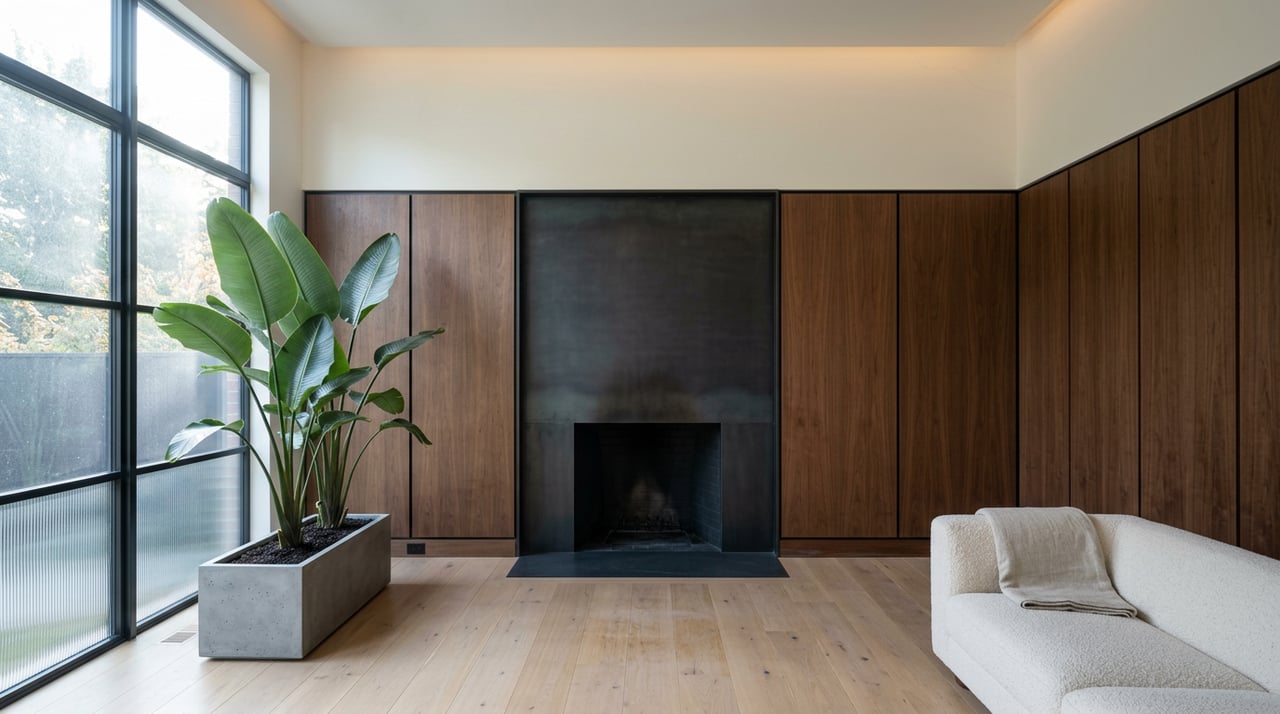
The living room should feel polished, comfortable, and easy to understand. Arrange seating to support conversation and highlight any fireplace, windows, or architectural details.
If the room is large, avoid spreading furniture too far apart. Grouping pieces thoughtfully helps the space feel warm while still showing its scale.
The smaller room off the kitchen is one of the most important spaces to stage well because buyers may not immediately know how to use it. Current Upper East Side listing copy often presents this area as a home office, guest room, or flexible extra room.
Pick one use and commit to it. A clear identity helps buyers understand the room’s value in seconds.
If the room is compact, a home office may be the strongest choice. A desk, chair, lamp, and a bit of storage can make the room feel practical and complete.
If it can comfortably fit a bed, a guest room setup may also work. What matters most is avoiding ambiguity. A “maybe this, maybe that” room usually reads as leftover space.
Some of the most effective staging moves are also the least glamorous. The NAR 2023 staging survey found that agents most often recommend decluttering, whole-home cleaning, removing pets during showings, minor repairs, and professional photos.
For an occupied classic six, these basics often create more impact than large decorative changes. Clean surfaces, organized closets, fresh paint touch-ups, and repaired hardware can change how the entire apartment feels.
Before you buy anything new, focus on the essentials:
These steps support the architecture instead of competing with it.
Staging works best when buyers can imagine themselves living in the home. The NAR 2025 staging findings report that 83% of buyers’ agents said staging made it easier for buyers to visualize a property as a future home.
For a classic six, that does not mean making it generic. It means creating a look that feels edited, welcoming, and relevant to the way people live now.
Choose pieces that feel tailored rather than trendy. Let the apartment’s proportions, millwork, floors, and windows lead the visual story.
The strongest presentation usually says: this is a historic, light-filled Upper East Side home that has been thoughtfully prepared for modern living. That is a much stronger message than “dated” or “ready for a gut renovation.”
The most effective staging for a classic six does not erase its age. It clarifies why these apartments still hold such lasting appeal.
When buyers walk in, they should quickly see gracious public rooms, meaningful architectural detail, useful flexibility, and a home that feels cared for. In a more selective market, that kind of visual clarity can make a real difference.
If you are preparing to sell and want a more tailored strategy for positioning your apartment, the SAEZFROMM Team offers a thoughtful, design-aware approach to presentation, marketing, and launch planning.
Stay up to date on the latest real estate trends.
October 15, 2026
October 8, 2026
October 1, 2026

September 24, 2026
September 17, 2026
September 10, 2026
September 3, 2026
August 27, 2026
August 20, 2026
As a top team at Douglas Elliman, SAEZFROMM continues to deliver the greatest value to our buyers, sellers, developers, and investors. Our focus is on one thing above all others: our clients, their needs, and what makes them happy.
SAEZFROMM
M: (212) 203-1798
O: (212) 891-7181
[email protected]
Douglas Elliman Real Estate
140 Franklin St
New York NY 10013