
Positioning A Tribeca Loft For Today’s Buyer
May 21, 2026
May 21, 2026
What makes one Tribeca loft feel unforgettable while another sits? In a market where buyers are design-aware, value-conscious, and quick to compare options, presentation is no longer a finishing touch. If you are preparing to sell, the way your loft is priced, staged, and framed can shape both interest and outcome. Let’s dive in.
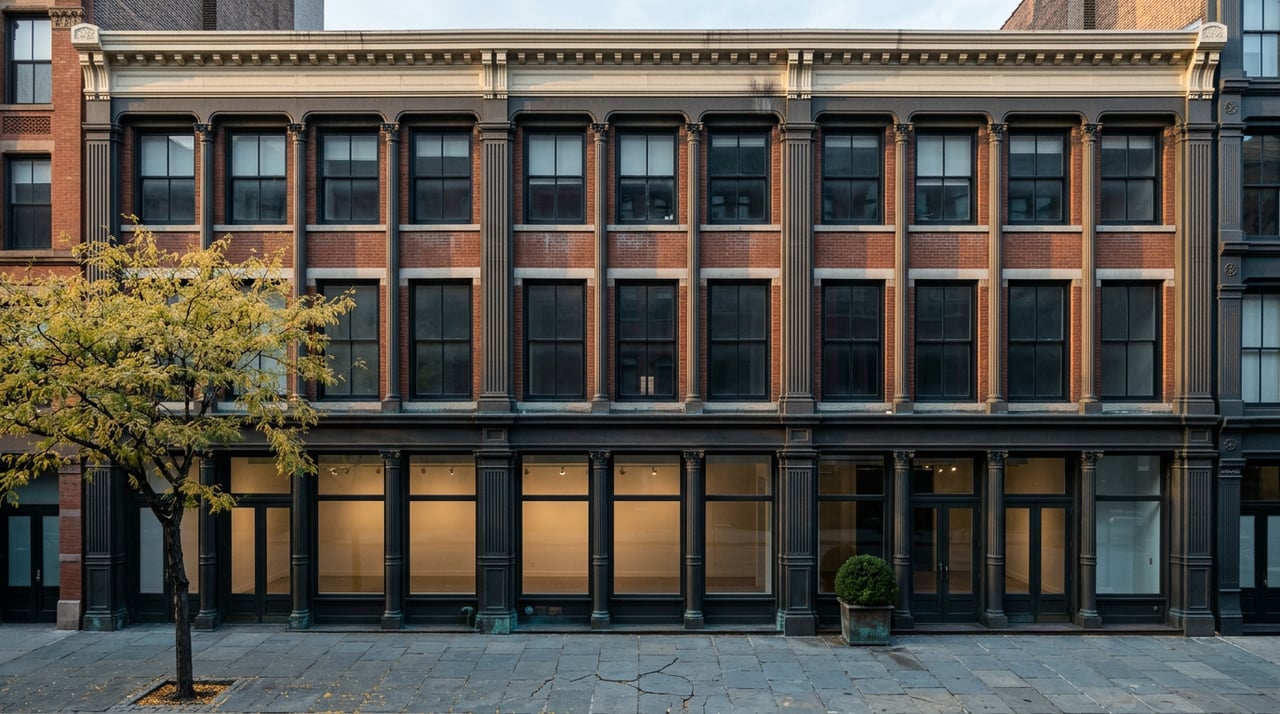
Tribeca remains one of Manhattan’s most distinctive residential markets, defined by cast-iron loft buildings, converted warehouses, and newer luxury development. StreetEasy describes the neighborhood as a mix of old cast-iron lofts and dramatic new buildings, with renovated warehouses still achieving some of the city’s highest prices per square foot.
That premium status does not mean buyers are uncritical. Redfin’s March 2026 data show a median sale price of $3,675,000, a median price per square foot of $1.84K, 90 median days on market, and a 98.8% sale-to-list ratio. In plain terms, buyers will pay for the right property, but they expect the product and the pricing to make sense from day one.
That discipline matters even more at the top of the market. Miller Samuel’s first quarter 2026 Manhattan luxury report places the luxury entry point at $4.43 million, with a median luxury sales price of $6.85 million and inventory at 903, the lowest level since 2008. In a thin but selective luxury environment, strong launches tend to start with accurate positioning rather than aspirational guesswork.
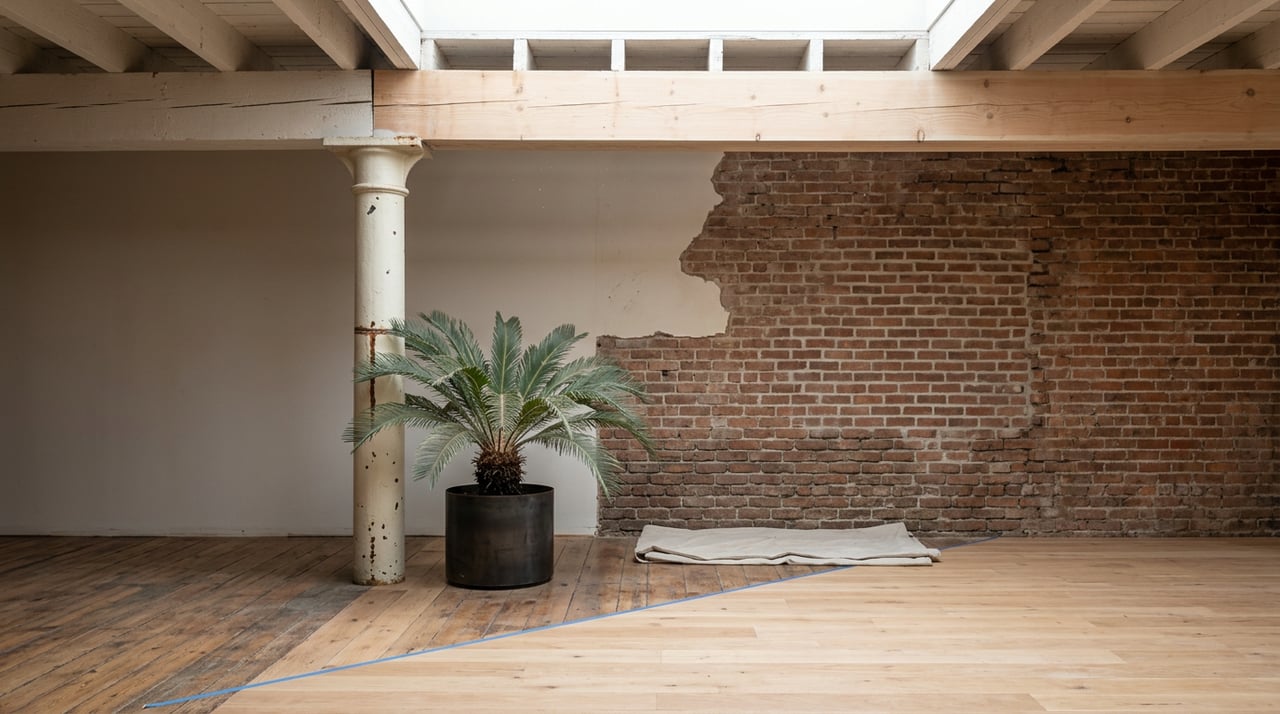
A Tribeca loft is not only about size. It is also about provenance, proportion, and the feeling of volume. The Historic Districts Council notes that Tribeca East developed through 19th-century commercial buildings with cast-iron storefronts, retail below, and office, storage, or light manufacturing above.
That history still shapes buyer expectations today. High ceilings, oversized windows, structural columns, exposed materials, and broad open spans are not incidental details. They are part of what buyers believe they are buying when they shop for a true downtown loft.
Your marketing should answer three simple questions:
When those answers are clear, the loft feels both authentic and current. When they are vague, even a beautiful apartment can feel generic.
Open loft living still has broad appeal, especially in the luxury segment. At the same time, buyer preferences have evolved. Zillow’s 2026 trends report says buyers increasingly want homes that feel personal, flexible, and designed for real life, while Redfin’s 2024 luxury buyer survey found open-concept floor plans remain highly desirable.
For a Tribeca seller, that does not mean breaking up the open plan. It means making the plan legible. Buyers should be able to understand how the home functions within seconds of walking in or scrolling through photos.
The goal is to preserve volume while showing purpose. In a loft, that usually means creating distinct areas for entry, living, dining, work, and quiet retreat without blocking sightlines or crowding the windows.
Simple staging tools can do a lot of the work:
Zillow also reports that mentions of reading nooks are up 48%, which speaks to a broader shift toward homes with intentional, usable corners. In a loft, even one thoughtfully defined niche can help the apartment feel more livable and less abstract.
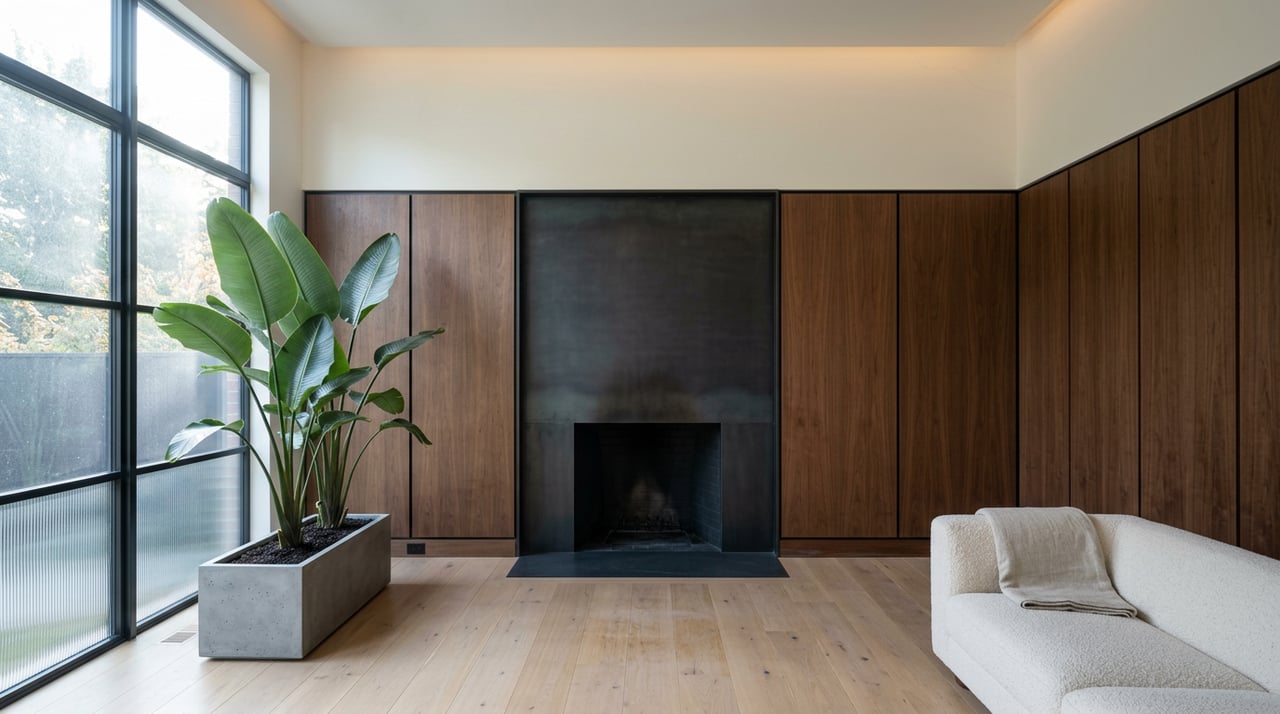
Tribeca’s identity is tied to light-filled loft living. That means staging should support the architecture rather than compete with it. Keep window lines open, avoid heavy furniture that interrupts flow, and let ceiling height and scale remain visible.
If the room feels airy and coherent, buyers are more likely to experience the loft as both expansive and functional. That balance is often what separates a space that photographs well from one that truly converts interest into offers.
Today’s buyer often forms a first impression long before a private showing. For lofts in particular, digital presentation is essential because buyers want to understand layout, proportions, and flow before they commit their time.
Zillow reports that more than half of prospective buyers regret wasted visits when they did not have a floor plan first. The same source says 79% are more likely to view a listing if the floor plan appeals to them.
That makes certain assets non-negotiable for a serious launch:
These tools do more than attract clicks. They help buyers pre-qualify the space emotionally and practically.
A traditional apartment may be easier to read from photos alone. A loft usually is not. Wide rooms, fewer partitions, and flexible layouts can create confusion if the listing relies only on imagery.
A floor plan gives structure to the story. It helps buyers understand where they would entertain, work, relax, or host guests. In a market where time and attention are limited, clarity is a competitive advantage.
One of the biggest mistakes in loft marketing is pricing based on mythology. Sellers may know their home is special, and often they are right. But buyers still compare condition, layout, light, amenities, and building profile against current alternatives.
Redfin’s 90-day median market time and 98.8% sale-to-list ratio suggest that pricing precision matters. Combined with Manhattan luxury inventory dynamics outlined by Miller Samuel, the takeaway is straightforward: a well-positioned loft can command strong attention, but overpricing can weaken momentum during the most important days of the launch.
A smart pricing strategy should reflect:
If the apartment also has recent systems upgrades, resilient features, or a well-documented renovation history, those details deserve attention. Zillow’s 2026 trends report indicates buyers are responding to homes that feel adaptable and future-ready, which can support both perceived value and buyer confidence.
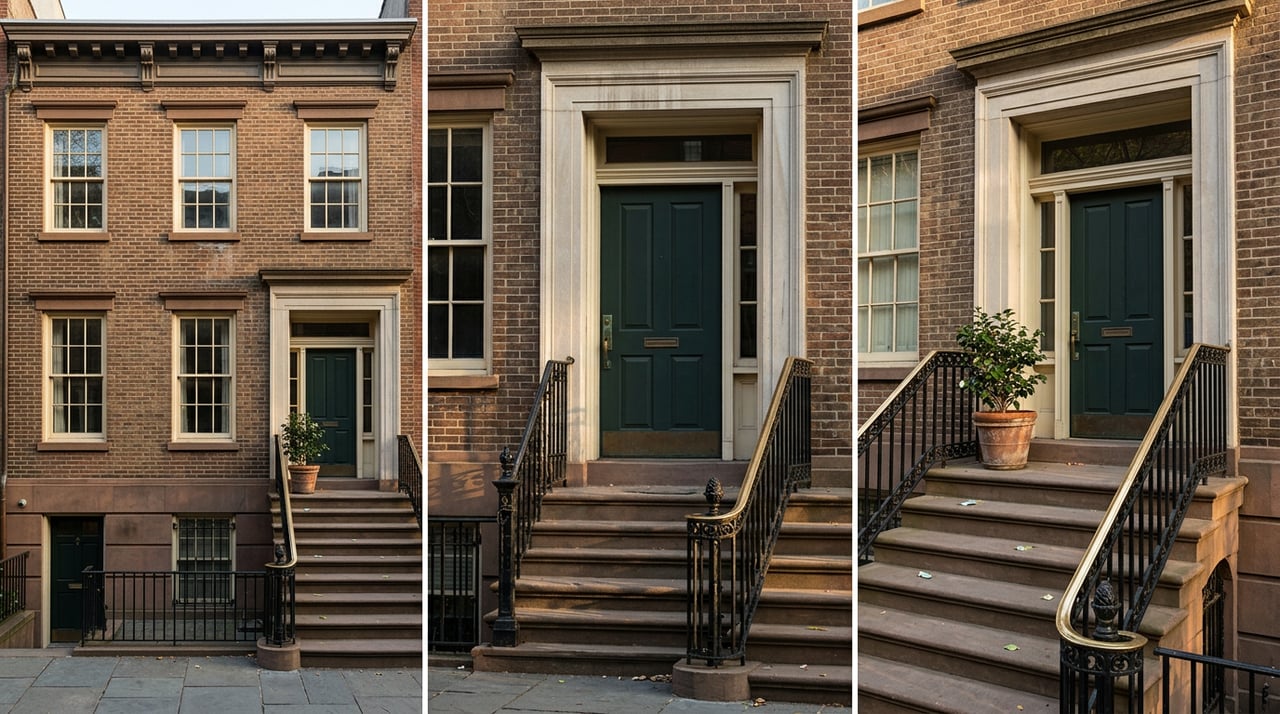
Many Tribeca properties sit within New York City historic districts. According to the Landmarks Preservation Commission, Tribeca West was designated in 1991, Tribeca North, East, and South in 1992, and the Tribeca South Extension in 2002.
If you are planning pre-market improvements, that context matters. The LPC states that most exterior changes to front and rear facades in historic districts require review, while ordinary repairs such as replacing broken window glass or repainting to match the existing color generally do not require a permit.
If your pre-sale strategy includes window replacement, storefront changes, rooftop work, or facade repairs, start early. The LPC says a Certificate of Appropriateness application generally requires materials submitted through Portico, supporting drawings or photos, and usually both a community board presentation and a public hearing. The process can take about three months.
That does not mean landmark status is a drawback. The LPC also makes clear that designation does not freeze a property in time or require a faux-historic result. Proposed changes are reviewed in relation to the building and district context, with attention to style, materials, proportions, textures, and colors.
For sellers, the practical takeaway is simple: if exterior work could improve value or presentation, build the review timeline into your launch plan rather than treating it as a last-minute detail.
The strongest Tribeca listing stories do not rely on adjectives alone. They combine historical character with present-day usability. A buyer wants to feel the loft’s authenticity, but they also want to know how it supports the way they live now.
That is where thoughtful storytelling matters. The most effective narrative often combines three layers:
This is especially important in a neighborhood like Tribeca, where many homes are visually compelling. A polished, strategic story helps your loft stand out for the right reasons.
Positioning is not about making a loft something it is not. It is about presenting the property with enough clarity and confidence that the right buyer can recognize its value immediately.
In Tribeca, that usually means respecting the architecture, staging for function, investing in strong digital materials, pricing with discipline, and accounting for any landmark-related timing before you go live. When those elements work together, your loft enters the market with a sharper point of view and a stronger chance of connecting with today’s buyer.
If you are preparing to sell in Tribeca and want a strategy that balances design sensitivity with market precision, the SAEZFROMM Team offers a private, highly tailored approach to positioning exceptional Manhattan properties.
Stay up to date on the latest real estate trends.
October 15, 2026
October 8, 2026
October 1, 2026
September 24, 2026
September 17, 2026
September 10, 2026
September 3, 2026
August 27, 2026
August 20, 2026
As a top team at Douglas Elliman, SAEZFROMM continues to deliver the greatest value to our buyers, sellers, developers, and investors. Our focus is on one thing above all others: our clients, their needs, and what makes them happy.

SAEZFROMM
M: (212) 203-1798
O: (212) 891-7181
[email protected]
Douglas Elliman Real Estate
140 Franklin St
New York NY 10013