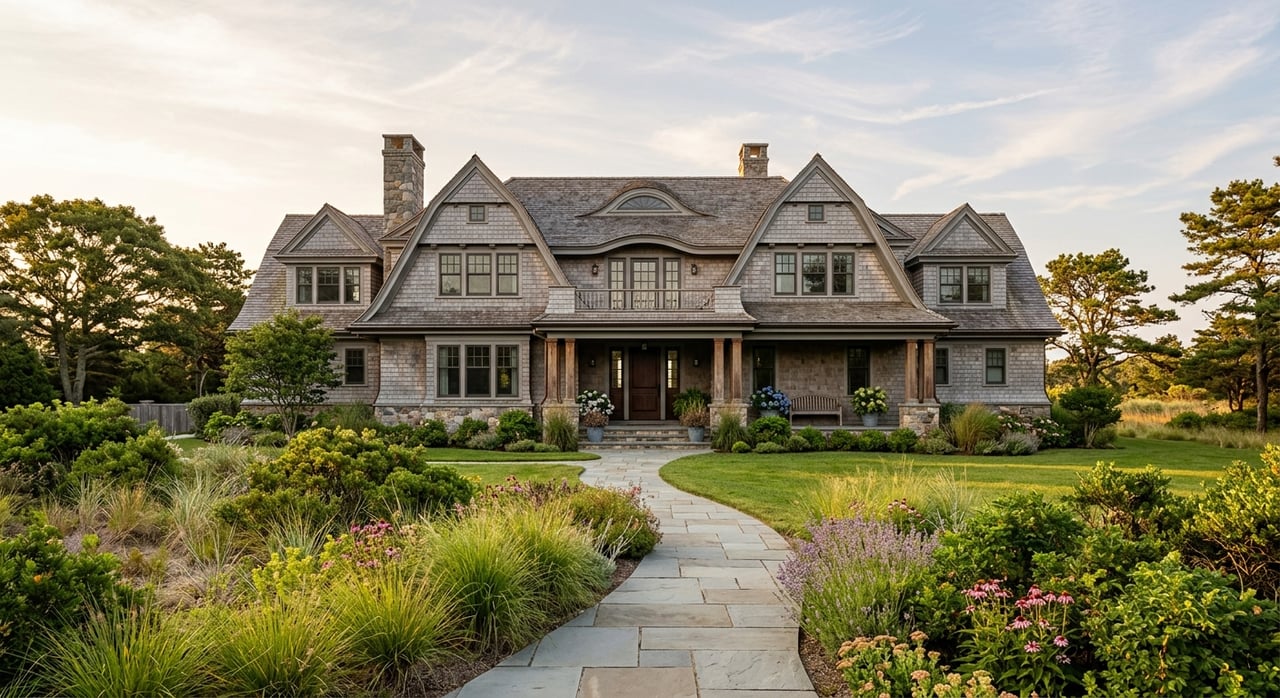
Designing A City To Hamptons Wellness Rhythm
June 4, 2026
June 4, 2026
What if your ideal week is not about choosing between Manhattan energy and Hamptons calm, but learning how to move between both with intention? If you split your time between the city and the East End, you already know that the appeal is not just the destination. It is the rhythm: a planned shift from meetings and momentum to beach walks, trail time, and quieter mornings. This guide will help you think through how that wellness-driven pattern actually works in Suffolk County, from transit and seasonality to the different feel of each area. Let’s dive in.
When people say “the Hamptons,” they often describe it as if it were one uniform destination. In practice, the region is much more layered. Official MTA guidance defines the Hamptons as the Towns of Southampton and East Hampton, with places like Bridgehampton, Amagansett, and Montauk functioning as smaller hamlets within that broader geography.
That distinction matters if you are designing a lifestyle, not just planning a weekend. The day-to-day experience can change meaningfully from one village or hamlet to the next. Southampton Town alone covers 140.2 square miles and includes 18 hamlets and seven incorporated villages, which helps explain why the East End feels varied rather than interchangeable.
East Hampton Town describes a similarly diverse setting, where each hamlet has its own mix of shopping, dining, cultural venues, and leisure options. You are not stepping into one generic coastal backdrop. You are choosing among places with different routines, landscapes, and social tempos.
A city-to-Hamptons lifestyle tends to work best when you treat it as a calendar-based routine. The East End is deeply shaped by seasonal patterns, train schedules, beach access, and weekend movement. That structure is part of the appeal because it turns the transition itself into a ritual.
The LIRR Montauk Branch is the region’s central transit spine. Stops run from Speonk through Westhampton, Hampton Bays, Southampton, Bridgehampton, East Hampton, Amagansett, and Montauk. In summer, the Cannonball departs Penn Station at 4:07 p.m., runs express to Westhampton, and then continues to Southampton, Bridgehampton, East Hampton, and Montauk.
The MTA also notes a 5:13 p.m. Penn-to-Montauk train on summer weekdays. Just as important, MTA guidance suggests avoiding the busiest trains by leaving on Thursdays or after 4 p.m. on Fridays, then returning after 3:30 p.m. on Sundays. In other words, the most successful version of this lifestyle is usually not spontaneous. It is planned.
If your week begins in Manhattan, the Hamptons can function as a reset rather than a second full schedule. That is where wellness becomes less about a formal program and more about environment. The East End supports routines built around movement, air, water, and time outdoors.
A simple pattern might look like this:
This kind of structure aligns with the region’s actual transit and seasonal flow. It also creates space for active recovery rather than trying to pack every hour with plans.
If you are picturing the classic Hamptons rhythm, summer is likely what you have in mind. Memorial Day weekend through Labor Day is the clearest seasonal peak, with beaches, parking rules, and transit patterns all shifting into summer mode. That is when the East End feels most fully activated.
East Hampton says most town beaches open for swimming on Memorial Day weekend, remain weekend-only until mid-June, and then operate full-time through Labor Day. Suffolk County also notes that beach parking rates apply from Memorial Day weekend through Labor Day, generally from 8:30 a.m. to 5:00 p.m. Southampton’s beach-permit guidance adds another seasonal marker, with certain marine-park parking requirements running from May 15 to September 15.
That timing shapes the wellness calendar in practical ways. Summer is the season for early walks, morning swims, afternoons near the water, and sunset dinners that stretch later into the evening. It is also the time when reservations, train timing, and planning ahead tend to matter most.
Not every waterfront routine has to look the same. Suffolk County describes its beaches as places for surfing, sailing, fishing, swimming, shell hunting, and calmer bay-side time. That variety gives you room to build a more personal version of wellness.
If you want higher energy, ocean-oriented areas may support a more active morning. If you prefer a slower pace, bay-side settings can make more sense for quieter time outdoors. Meschutt Beach County Park is one example, with stillwater bathing on Great Peconic Bay along with kayak rentals and designated windsurfing and sailing areas.
That difference matters for anyone thinking carefully about how they want to spend their weekends. Some routines are built around social beach time. Others are built around recovery, movement, and calm.
One of the most appealing things about Suffolk County is that an outdoor-centered lifestyle does not disappear when summer ends. The beach-first version of the Hamptons may peak in warm weather, but the broader wellness rhythm can continue through much of the year. That is especially true if you value trails, open space, and lower-key weekends.
Suffolk County Parks offers hiking across numerous preserves stretching from the Nassau-Suffolk border to the easternmost parts of Long Island, and many of those trails are available year-round. Montauk Point State Park is also open year-round and includes hiking, fishing, stand-up paddle boarding, surfing or windsurfing, and equestrian trails. Montauk Downs State Park Golf Course is open daily year-round, weather permitting.
This creates a useful shift in mindset. Summer may be beach-led, but fall, winter, and spring can be trail-led, golf-oriented, or simply more restorative. The result is a lifestyle that feels seasonal without feeling limited.
Many buyers and renters ask whether this lifestyle works without relying on a car for every move. In parts of the East End, the answer is partly yes. It depends on how close your routine is to stations, villages, and shuttle-served destinations.
The South Fork Commuter Connection offers coordinated weekday train-and-shuttle service between Speonk and Montauk. Riders can park at Speonk, Westhampton, or Hampton Bays, then use shuttle links from eastern stations into nearby villages, hamlets, and employment areas. Suffolk Transit On-Demand adds another layer, serving Southampton Village, Sag Harbor, East Hampton Village, Springs, Amagansett, and Montauk every day from 6:00 a.m. to 8:00 p.m., year-round.
That does not make every East End routine fully car-free. It does, however, make a village-centered or station-centered pattern more realistic than many people assume. If your version of the Hamptons is about walkable mornings, planned outings, and fewer logistics, that can be a meaningful advantage.
Wellness in the Hamptons is not only about exercise or nature. It is also about how your social life expands or contracts across the year. East Hampton Town describes its hamlets as places where waterside dining, cafés, taverns, restaurants, museums, theaters, and galleries all shape the local mix.
Across Suffolk County, summer tends to be the densest social season. Discover Long Island frames that period around al fresco dining, outdoor festivals, waterfront restaurants, wineries, spas, and event programming. That supports a version of Hamptons life that is livelier, later, and often more reservation-driven.
Shoulder seasons often feel different. With fewer crowds and a softer pace, they can better support the kind of routine many people actually want from a second-home lifestyle: a morning outside, a good meal, a gallery or cultural stop, and a calmer evening. The atmosphere becomes less about chasing plans and more about settling into place.
Because the Hamptons are made up of distinct villages and hamlets, the right fit depends on what you want your weekends to feel like. Some locations support a more social, central rhythm. Others feel more removed, outdoor-focused, or tied to specific routines like surfing, hiking, or village dining.
Official sources point to places like Southampton, East Hampton, Sag Harbor, Amagansett, and Montauk as areas with clear individual identity. That means your decision is not simply about east versus west. It is about whether you want convenience to train service, easier village access, stronger beach orientation, or year-round outdoor options.
For many Manhattan-based buyers, this is where thoughtful planning matters most. The goal is not to copy someone else’s Hamptons experience. It is to create one that matches the way you actually live.
The strongest version of this lifestyle is not about constant motion. It is about cadence. Weekday Manhattan energy and weekend East End recovery can complement each other when your schedule, location, and expectations line up.
That may mean prioritizing train access over distance. It may mean choosing bay-side calm over a busier summer scene. Or it may mean embracing the fact that the Hamptons are best enjoyed as a seasonal and place-specific experience rather than a one-size-fits-all idea.
If you are thinking about how your Manhattan home and East End routine can work together, clarity matters. The right real estate strategy starts with understanding how you want to live, not just where you want to be. For a discreet, design-minded conversation about lifestyle, location, and long-term fit, connect with the SAEZFROMM Team.
Stay up to date on the latest real estate trends.
October 15, 2026
October 8, 2026
October 1, 2026
September 24, 2026
September 17, 2026
September 10, 2026
September 3, 2026
August 27, 2026

August 20, 2026
As a top team at Douglas Elliman, SAEZFROMM continues to deliver the greatest value to our buyers, sellers, developers, and investors. Our focus is on one thing above all others: our clients, their needs, and what makes them happy.
SAEZFROMM
M: (212) 203-1798
O: (212) 891-7181
[email protected]
Douglas Elliman Real Estate
140 Franklin St
New York NY 10013