Listing A Historic Greenwich Village Townhouse Thoughtfully
July 9, 2026
July 9, 2026
If you are preparing to sell a historic Greenwich Village townhouse, the goal is not to make it look new. The goal is to present it with care, accuracy, and context so buyers can understand both its beauty and its significance. In a neighborhood where history and architecture shape value, thoughtful preparation can reduce surprises and strengthen your position before the home ever reaches the market. Let’s dive in.
Greenwich Village Historic District is not a casual label. It was designated by the New York City Landmarks Preservation Commission on April 29, 1969, and it was the largest historic district designation at the time. Today, it remains the largest historic district in New York City, with more than 2,000 buildings across 65 blocks.
That context matters when you list a townhouse here. Your property should be positioned as a documented historic asset, not simply an older home. Buyers are often drawn to craftsmanship, original details, and the sense of continuity that a historic residence offers.
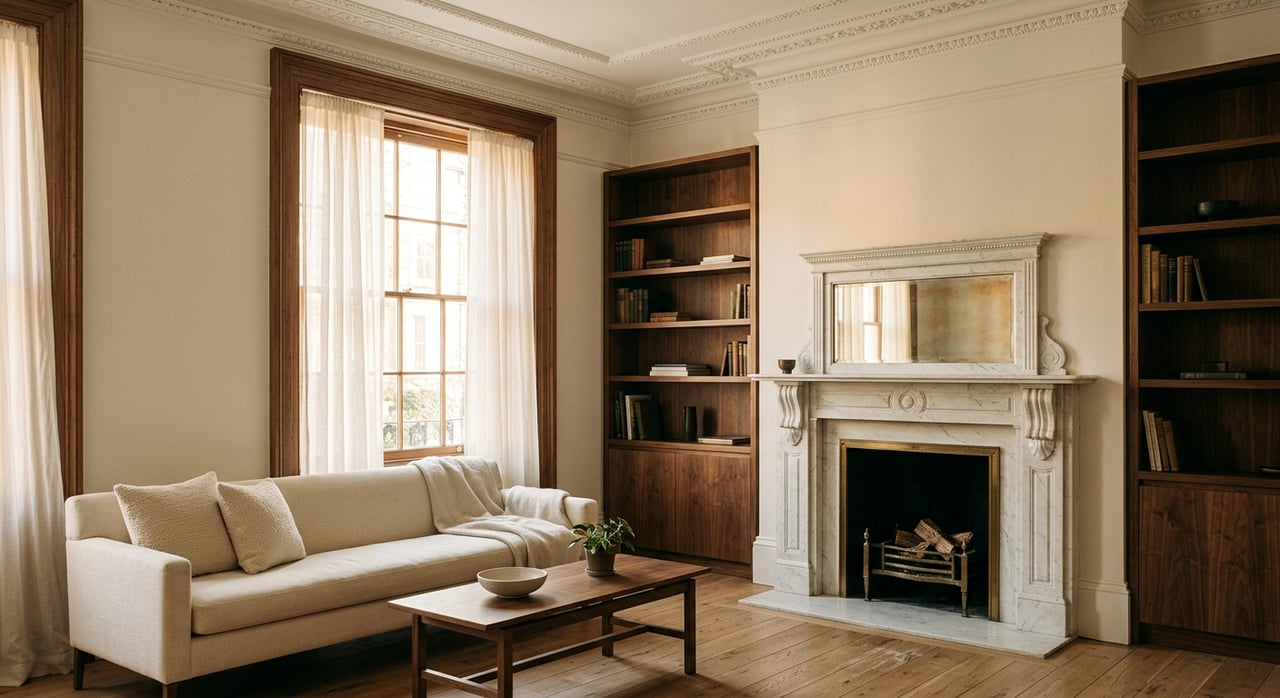
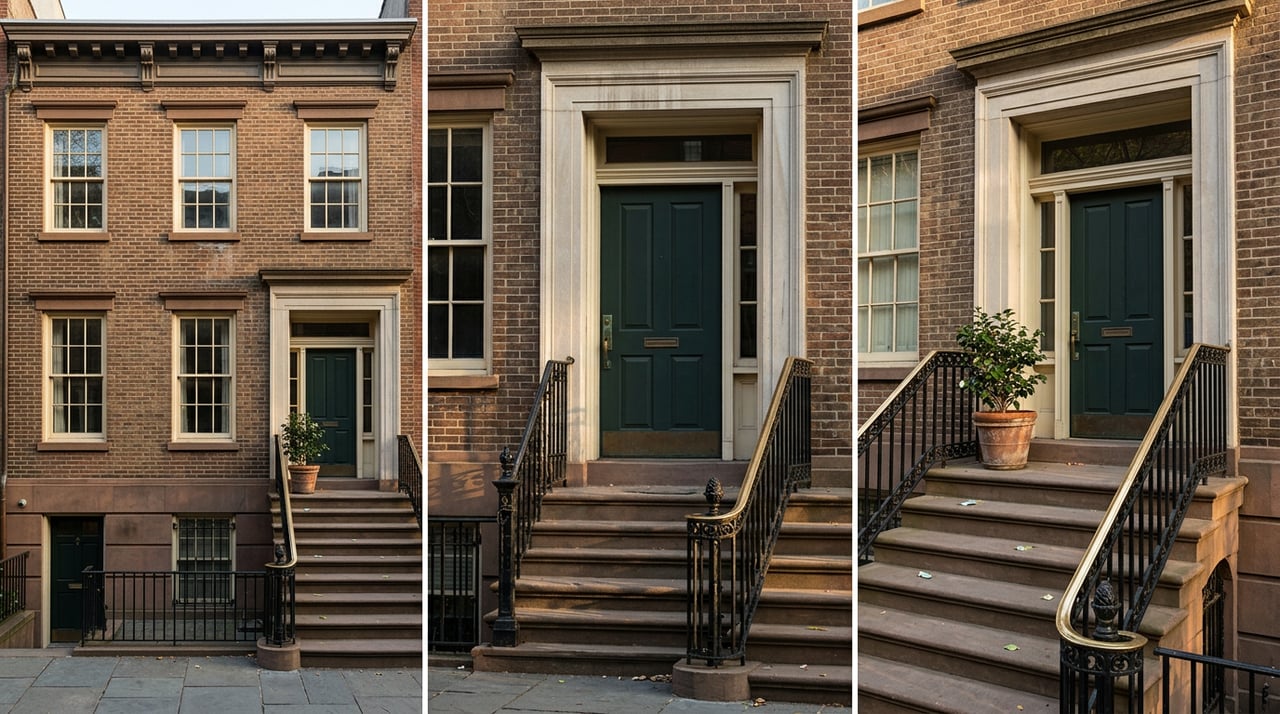
A thoughtful listing starts by showing what makes the house distinct. That can include original windows, masonry, staircases, fireplaces, stoops, cornices, and other period features that help a buyer understand the home’s architectural identity. In Greenwich Village, those details are part of the property’s value story.
Before you discuss paint colors, staging, or photography, gather the paper trail. A strong historic townhouse listing is built on verified information that supports the home’s story and helps answer buyer questions early.
Your pre-list file should usually include:
This step does more than support marketing. It also helps you identify gaps, undocumented changes, or title and lot-history questions before a buyer or attorney raises them.
In Greenwich Village, pre-list preparation often overlaps with preservation rules. LPC review is triggered by work on a landmark or a building within a historic district when the project affects the exterior. LPC also states that approval is required for any project that needs a Department of Buildings permit.
That means even well-intended upgrades can carry timing and approval implications. Exterior work that is not visible from the street may still require LPC review, so it is important not to assume a project is too minor to matter.
At the same time, landmark status does not mean a townhouse is frozen in place. LPC’s framework is designed to review changes so that a building’s special qualities are not compromised. For sellers, the practical lesson is simple: plan carefully and avoid last-minute work that has not been properly reviewed.
LPC uses several permit categories, and they matter when you decide whether to repair, restore, or replace an element before listing.
LPC notes that about 95 percent of approvals are issued at the staff level. That can be encouraging, but it does not mean every project is simple. Scope, documentation, and the right professionals still matter.
Historic townhouses rarely benefit from a surface-only approach. Buyers in this segment tend to look past styling and focus on the building itself, especially if they understand the cost and timeline involved in preserving or improving it.
A professional pre-list inspection can be one of the smartest early moves. Historic-home guidance recommends careful review of the roof, chimney, walls, porches, windows and doors, foundation, fireplaces, attic, and basement, with close attention to roofline issues, water damage, and window condition.
For a Greenwich Village townhouse, seller attention is often best directed toward:
These items often have a greater impact on buyer confidence than purely decorative updates. They also help you avoid a listing launch that looks polished online but becomes complicated once inspections begin.
LPC states that landmarked properties must be kept in a state of good repair, and the law is intended to prevent demolition by neglect. For a seller, that raises the stakes on unresolved exterior deterioration or long-ignored issues.
Peeling finishes, failing masonry, damaged windows, or visible water issues are not just presentation problems. They can become pricing issues, negotiation issues, or regulatory issues, especially if buyers suspect the home has not been maintained consistently.
Thoughtful listing preparation means confronting those items early. In many cases, a conservative repair strategy is more effective than a broad renovation plan started too close to market.
The best pre-list work in a historic townhouse usually improves function while keeping the house legible as a historic property. In practical terms, that means repair first, replace only when necessary, and avoid erasing the features that make the home special.
LPC notes that some ordinary exterior maintenance, such as replacing broken window glass or repainting a door the same color, generally does not require review. By contrast, replacing windows or doors, repairing masonry, or restoring architectural details may require a Minor Work review or another approval path.
A thoughtful pre-list plan may include:
This approach tends to support both authenticity and efficiency. Buyers often respond more strongly to a house that feels cared for and honest than one that appears overworked or historically flattened.
If work is needed, do not treat a historic townhouse like a casual cosmetic project. In New York City, alteration permits are issued to licensed general contractors, and renovations on one- to four-family homes and individual apartment units also require a Home Improvement Contractor license. DOB also requires permit applications to be filed by the licensed or registered contractor.
That matters because sellers sometimes underestimate the lead time involved. LPC applications are filed through Portico and may require drawings, photographs, and coordination with preservation staff, architects, or contractors, depending on the scope.
If you are deciding whether to do work before listing, ask two questions first:
If the answer to either question is no, restraint may be the better strategy.
For older townhouse stock, disclosure is becoming more important, not less. New York’s Property Condition Disclosure Statement is required beginning July 1, 2025, for residential one- to four-family dwellings. The form is not a warranty, and it does not replace inspections or public-record review, but it does ask about issues that can be especially relevant in historic homes.
These may include:
If your townhouse has had a long ownership history or multiple rounds of work over time, it is wise to organize these facts well before the listing goes live.
HPD states that buildings built before 1960, and certain buildings built between 1960 and 1978 where lead is known to exist, are subject to lead-based paint rules under Local Law 1 of 2004. This is particularly important where children under six reside or where units are tenant-occupied.
If your townhouse has a rental component, tenant occupancy, or visible peeling paint, treat lead-related compliance as a pre-list item. It should not be left as a loose end for later.
Some townhouse transactions involve condominium or cooperative structures, shared systems, or converted townhouse developments. In those cases, due diligence expands beyond the residence itself.
The New York State Attorney General advises buyers to examine items such as the facade, roof, flooring, appliances, sub-soil conditions, elevators, HVAC, windows, electrical wiring, and plumbing. Buyers are also advised to review board minutes and financial reports because repair costs and building issues often surface there first.
For you as a seller, this is valuable intelligence. Reviewing board-facing materials early can help uncover capital needs, repair obligations, or recurring building concerns before they disrupt a deal.
The strongest historic townhouse marketing is precise, restrained, and evidence-based. New York’s Department of State has warned that real estate advertising must provide an honest and accurate depiction of the property and has specifically flagged misleading AI-generated imagery.
For a Greenwich Village townhouse, that supports a documentary approach to presentation. Photography should reveal scale, light, materiality, and original detail without disguising real condition.
Your marketing narrative should also be grounded in verifiable sources. The most effective story often draws from the designation report, title history, prior permits, archival images, and other records that explain what is original, what has been sensitively improved, and how the home fits into Greenwich Village’s broader architectural context.
A thoughtful listing does not overwhelm buyers with raw data. It translates that information into a credible narrative about care, continuity, and potential.
That narrative may answer questions like:
When that story is supported by documentation and aligned with the building’s condition, buyers tend to trust both the property and the process more readily.
In Greenwich Village, a historic townhouse sale is rarely just a standard listing exercise. It sits at the intersection of architecture, regulation, condition, and presentation. The homes that perform best are usually the ones prepared with discipline and marketed with a strong sense of place.
That means resisting the urge to over-modernize, correcting meaningful issues before launch, and presenting the home as a preserved and livable piece of downtown Manhattan history. When done well, that balance can create both emotional resonance and financial clarity.
If you are considering the sale of a Greenwich Village townhouse, the right strategy starts long before the first showing. The SAEZFROMM Team can help you shape the documentation, presentation, and market positioning needed for a more credible and compelling launch.
Stay up to date on the latest real estate trends.
October 15, 2026
October 8, 2026
October 1, 2026
September 24, 2026
September 17, 2026
September 10, 2026

September 3, 2026
August 27, 2026
August 20, 2026
As a top team at Douglas Elliman, SAEZFROMM continues to deliver the greatest value to our buyers, sellers, developers, and investors. Our focus is on one thing above all others: our clients, their needs, and what makes them happy.

SAEZFROMM
M: (212) 203-1798
O: (212) 891-7181
[email protected]
Douglas Elliman Real Estate
140 Franklin St
New York NY 10013