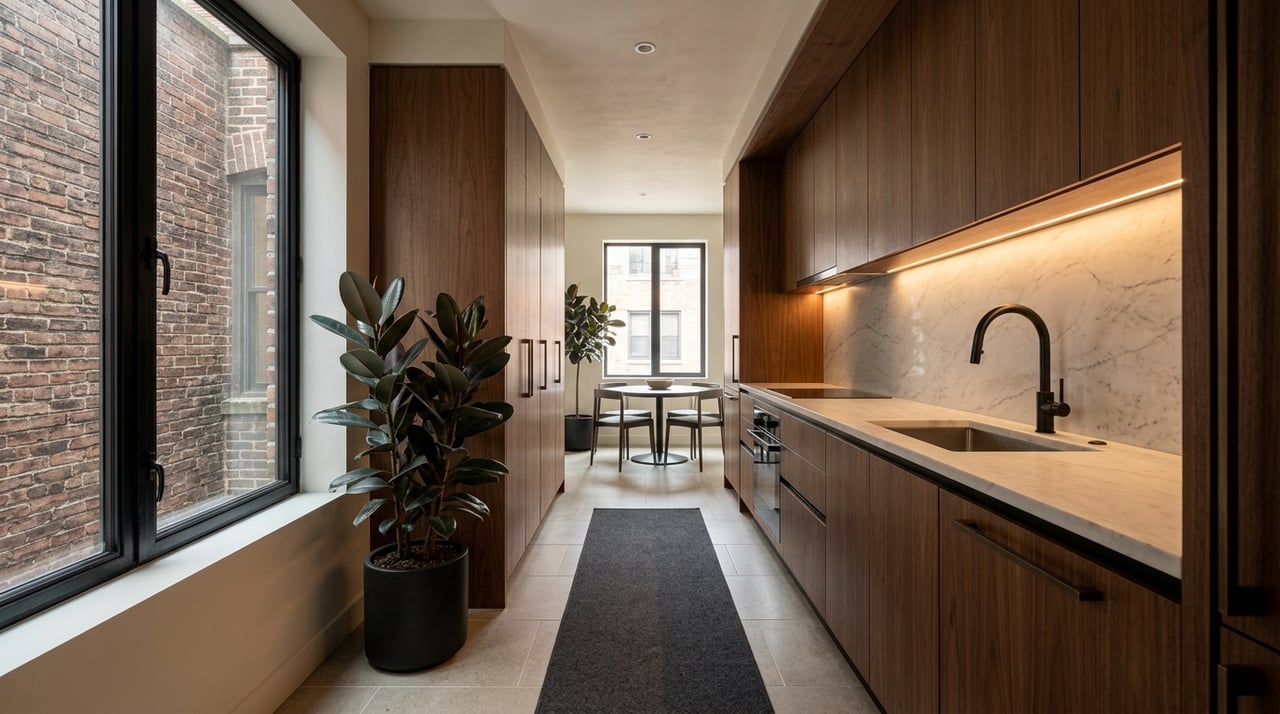
Renovate Or Trade Up In Manhattan? How To Decide
June 25, 2026
June 25, 2026
A Manhattan home can hold real emotional value, but that does not always mean it should be your forever floor plan. If you are weighing a renovation against a move, you are likely balancing design goals, budget, timing, and the realities of a market that rewards precision. The good news is that there is a practical way to think through the choice. Let’s dive in.
In early 2026, Manhattan remained active, but buyers stayed selective. Corcoran reported a median sales price of about $1.28 million in the first quarter, with days on market at 110 and active inventory above 6,000 units. In May 2026, signed contracts reached 1,190, active listings rose above 6,900, and the average discount was 2.3% off the last asking price.
That matters because the market is still rewarding clear value. Well-priced, move-in-ready homes are selling faster, while uncertain projects can feel harder to justify. StreetEasy also showed Manhattan homes selling at a median 97.9% of latest asking price, which tells you pricing discipline still matters if you plan to sell and trade up.
There is another factor in the background: financing and carrying costs. Freddie Mac’s weekly survey put the 30-year fixed mortgage at 6.52% on June 11, 2026. If you are buying again, your next payment structure may look very different from the one you have now.
Renovating is often the stronger choice when the things you cannot easily replace already work. That usually means the address, the block, the building, the light, and the overall footprint still fit your life. If your home has good bones and your goals are mostly cosmetic or layout-related within current constraints, a renovation may be the cleaner path.
This can be especially true in Manhattan buildings where location drives long-term appeal. If you love your building and your neighborhood, changing finishes and improving function may deliver the lifestyle upgrade you want without taking on the taxes and transaction costs of a move. In a market that favors polished, move-in-ready product, thoughtful updates can also support future resale positioning.
The key word is thoughtful. A renovation works best when the scope is clearly defined and stays inside a manageable approval process.
In New York City, many renovations require Department of Buildings review. For kitchen and bathroom work, DOB says most projects need an ALT2 permit if the plan adds a bathroom, reroutes gas piping, adds electrical outlets, or moves a load-bearing wall. By contrast, painting, plastering, cabinet installation, floor resurfacing, and some fixture replacement may be permit-free.
That line is important. A surface refresh is very different from a project that changes systems, structure, or legal occupancy. Once your project starts affecting use, egress, occupancy, or the Certificate of Occupancy, it moves into a more complex alteration process.
If your apartment is in a landmarked building or historic district, Landmarks Preservation Commission approval may be required before work begins. Most exterior changes are reviewed, and some interior work also needs LPC approval if it requires a DOB permit, affects the exterior, or is in a designated interior landmark. That can add another layer to your timeline and design coordination.
For many Manhattan owners, this is where the renovate-versus-move decision becomes clearer. If your ideal outcome depends on approvals that are harder to secure or slower to process, the opportunity cost may rise quickly.
Renovation budgets often focus on construction costs first. In Manhattan, temporary housing can be one of the easiest line items to underestimate. StreetEasy reported a median asking rent of $4,927 in May 2026, so a multi-month displacement can materially change your all-in number.
If you need to move out during demolition, plumbing work, or major system changes, that rental cost should sit right next to your contractor estimate. It is part of the true renovation budget, not a side note.
Sometimes the issue is not finishes. It is the home itself. If you need a different building type, better light, outdoor space, a different floor plan, or a different micro-market, a renovation may not solve the actual problem.
That is often the clearest sign that trading up is the better move. You can change cabinetry and stone, but you cannot renovate your way into a better exposure, a larger elevator building, or a loft layout if the building does not offer it.
This is especially relevant in Manhattan because asset class changes the experience and the pricing. Douglas Elliman’s fourth quarter 2025 report showed a median resale co-op price of $998,500 and a median resale condo price of $1.661 million. Condos were about 66% more expensive by median resale price, while co-ops sold a bit faster, at 71 days on market versus 78 for condos.
Your decision may also depend on where you want to be and what kind of home fits your next chapter. Manhattan is not one uniform market. Block, building, and product type can shift both value and lifestyle.
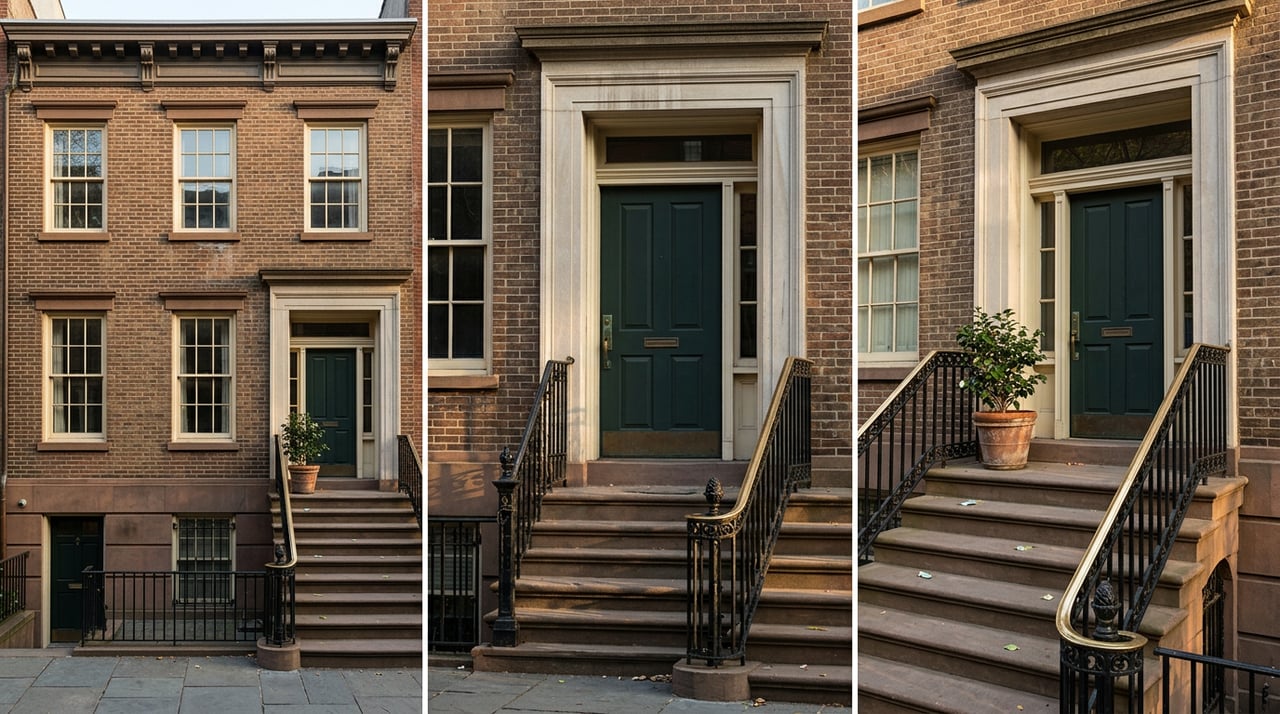
For example, StreetEasy shows the West Village as largely historic townhouses and walk-ups, with a median sale shown at $1.5 million and many interiors that may feel older or more idiosyncratic. Tribeca showed a median sale of $3.5 million, where converted warehouses and lofts can command some of the city’s highest prices per square foot.
The Upper East Side showed a median sale of $1.2 million, while Midtown East had a median asking price of $970,000 with inventory up 4.5% year over year. The Lower East Side had a median asking price of $1.295 million, with inventory up 11.7%, which can give buyers a bit more room to compare options.
If your current home cannot become what you truly need, moving may actually be the more strategic and more honest choice.
Trading up can be elegant on paper, but Manhattan closing costs deserve real attention. New York City’s Real Property Transfer Tax is 1% on residential transfers of $500,000 or less and 1.425% above that. New York State also imposes a 0.4% transfer tax, plus a 1% mansion tax on residences at $1 million or more, with additional NYC conveyance taxes at higher price points.
If your purchase is financed, mortgage recording tax may also apply when the mortgage is recorded in New York City. These costs can stack quickly, especially when you are moving into a higher price bracket. In practice, this means a trade-up should be evaluated as a full financial decision, not just a list-price comparison.
If you feel stuck, use this practical lens: renovate when your home already has the right address, block, light, and building, and your scope can stay within manageable DOB and LPC limits. Trade up when you need something renovation cannot create, such as a different layout, more meaningful outdoor space, stronger natural light, or a more suitable building type.
This is not a guaranteed formula for resale outcome. It is a grounded way to make a high-stakes decision in a market that values clarity. In Manhattan, the strongest renovation candidates are often homes with good bones in a strong building, while the strongest trade-up candidates are homes where location, building type, or layout is the true constraint.
Before you start design plans or schedule showings, it helps to pressure-test the decision from both sides. The goal is to understand approvals, cost, timing, and likely market return before you commit capital.
In Manhattan, it is easy to confuse a design frustration with a real estate problem. New finishes can improve how a home feels, but they cannot change core facts like building type, exposure, or neighborhood fit. The smartest decisions usually come from separating what can be improved from what must be changed.
That is where experienced guidance matters. A measured review of your home, your building, your budget, and your next lifestyle goal can save you from spending heavily on the wrong fix. If you are deciding whether to renovate or trade up in Manhattan, the right strategy starts with a clear-eyed plan.
When you are ready for a discreet, highly tailored conversation about your options in Manhattan, connect with the SAEZFROMM Team.
Stay up to date on the latest real estate trends.

October 15, 2026
October 8, 2026
October 1, 2026

September 24, 2026
September 17, 2026

September 10, 2026

September 3, 2026
August 27, 2026

August 20, 2026
As a top team at Douglas Elliman, SAEZFROMM continues to deliver the greatest value to our buyers, sellers, developers, and investors. Our focus is on one thing above all others: our clients, their needs, and what makes them happy.

SAEZFROMM
M: (212) 203-1798
O: (212) 891-7181
[email protected]
Douglas Elliman Real Estate
140 Franklin St
New York NY 10013