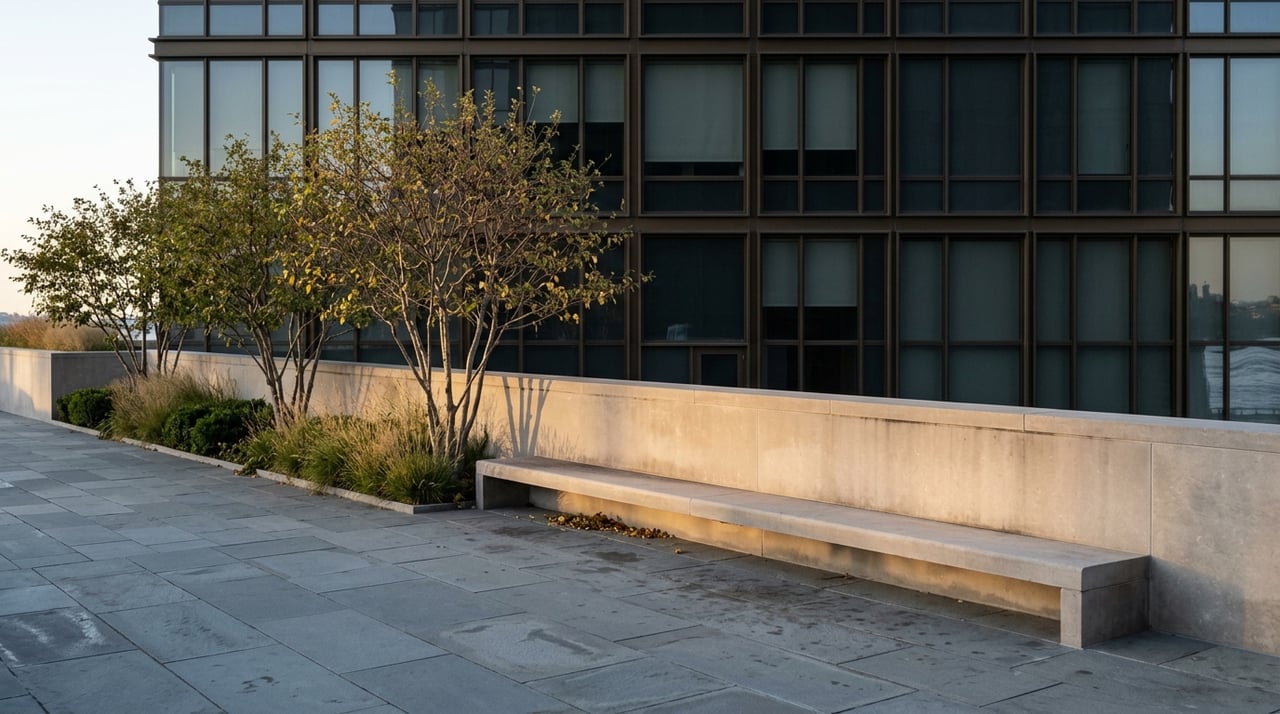
Waterfront Living In Tribeca Along The Hudson
May 14, 2026
May 14, 2026
If you want downtown energy without giving up open sky and river views, Tribeca’s western edge deserves a closer look. This part of the neighborhood offers a quieter daily rhythm shaped by Hudson River Park, historic loft architecture, and easy access to the rest of Lower Manhattan. For buyers comparing lifestyle across downtown Manhattan, waterfront living here stands out for how practical and livable it feels day after day. Let’s dive in.
On Tribeca’s west side, the neighborhood reaches the Hudson River near West Street and Hudson River Park. Planning materials describe North Tribeca as generally bounded by Walker and Beach Streets to the south, Broadway to the east, Canal Street to the north, and the Hudson River to the west. That geographic frame helps explain why the waterfront side of Tribeca feels distinct from the neighborhood’s more interior blocks.
This stretch is not just about views. It sits where a mixed-use district has steadily become more residential over time, while still holding onto the cast-iron and masonry character that defines much of Tribeca’s built fabric. The result is a setting that feels grounded in downtown history but closely tied to the river.
One of the strongest draws of waterfront living in Tribeca is the sense of space. Along the Hudson, you trade some of the enclosed street-canyon feeling of downtown for wider sightlines, more daylight, and direct access to one of Manhattan’s largest public open spaces. That can change how your day feels, whether you are heading out for a morning run or winding down at sunset.
There is also a noticeable shift in pace. You are still in Lower Manhattan, with transit connections and downtown destinations close by, but the park edge introduces a calmer layer to daily life. For many buyers, that balance is the appeal.
Hudson River Park is the main everyday amenity along Tribeca’s waterfront. The park extends four miles along Manhattan’s west side, from the northern boundary of Battery Park City in Tribeca to West 59th Street. It is open daily from 6:00 AM to 1:00 AM unless otherwise posted, which gives residents a wide window to actually use it as part of daily life.
In Tribeca, the park experience centers on Piers 25 and 26, Tribeca Upland, and Pier 34. Each section offers a slightly different rhythm, so the waterfront does not feel one-note. Instead, it supports a range of routines that make the neighborhood feel active without feeling hectic.
Pier 25 is one of the most activity-rich sections of the Tribeca waterfront. It offers panoramic views of Lower Manhattan and New York Harbor, along with mini golf, beach volleyball, a playground, a skatepark, sailing access, a marina, and places to eat and drink. If you like a waterfront that feels social and animated, this pier adds that dimension.
For many residents, the value is not that you will do every activity every week. It is that the area supports spontaneous use, whether that means taking a walk after dinner, meeting friends outdoors, or enjoying open views on a weekend morning. That kind of repeat usability matters in a home search.
Pier 26 offers a slightly different experience. Here, you will find a lawn, a tide deck, kayaking, and an ecologically themed design that helps introduce visitors to the Hudson River environment. It feels more reflective in tone while still being firmly active.
That variety can make the waterfront especially appealing if you want outdoor access that goes beyond a simple path or esplanade. The setting invites you to linger, observe, and engage with the river itself. In a dense urban environment, that is a meaningful lifestyle feature.
Tribeca Upland may be the most telling part of the waterfront for day-to-day living. It includes a meandering boardwalk, scenic overlooks, a dog run with separate areas for small and big dogs, plus basketball and tennis courts. These are the kinds of amenities people return to again and again.
If your home search includes practical lifestyle questions, this section matters. Where will you walk the dog, get fresh air, or fit in movement before work? On Tribeca’s waterfront edge, those answers are built into the neighborhood.
Pier 34 is especially associated with runners and sunset views. That makes it one of the clearest examples of how the waterfront supports quiet, repeat rituals rather than only destination-style recreation. Sometimes the biggest luxury in downtown Manhattan is simply having a beautiful place to end the day.
For buyers considering quality of life, this is an important distinction. The Hudson in Tribeca is not just scenic from a distance. It is usable, accessible, and integrated into the neighborhood’s everyday rhythm.
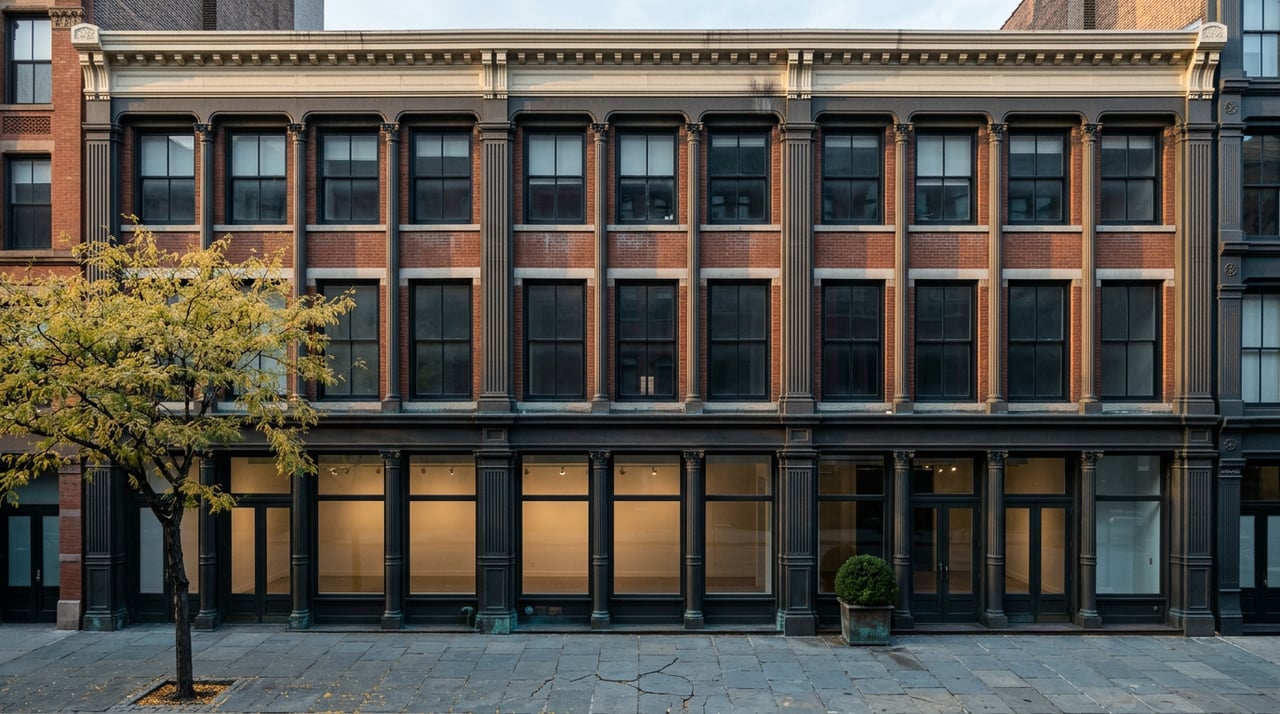
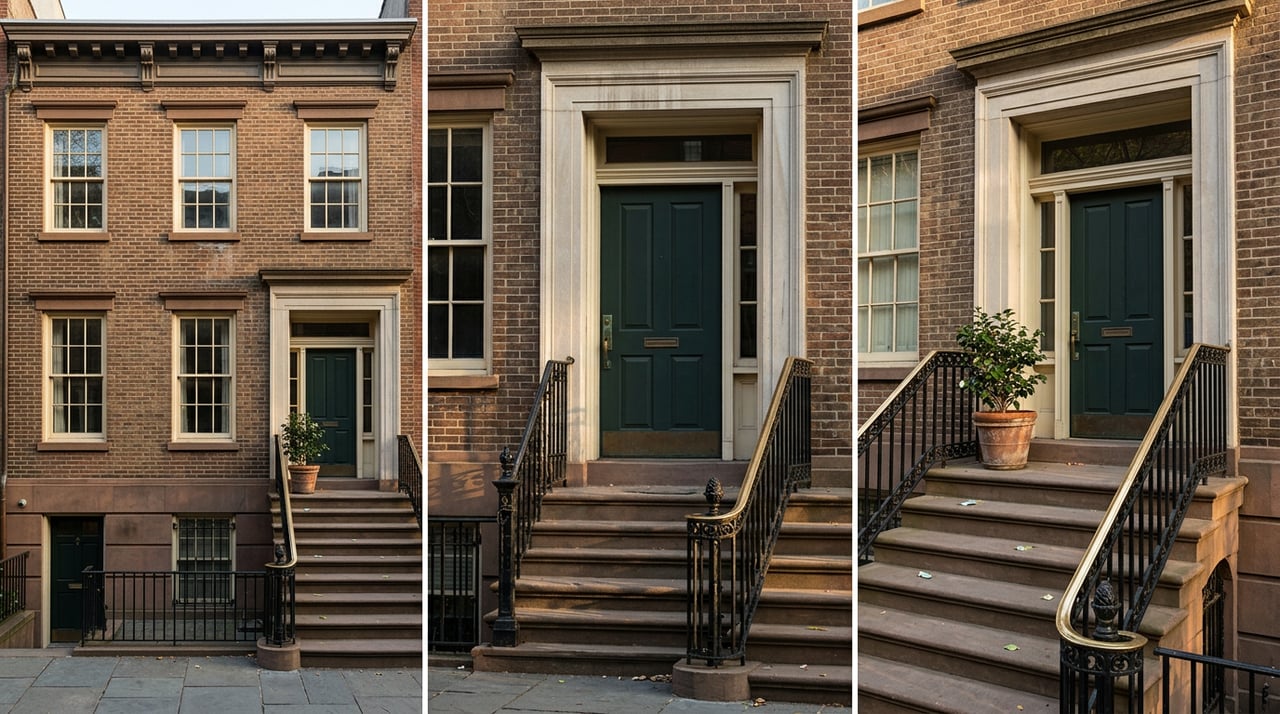
Tribeca’s waterfront appeal is not only natural. It is also architectural. Landmarks materials note that nearby historic districts preserve cast-iron and masonry loft and commercial buildings from the mid-19th and early-20th centuries, which gives the neighborhood a rich visual texture.
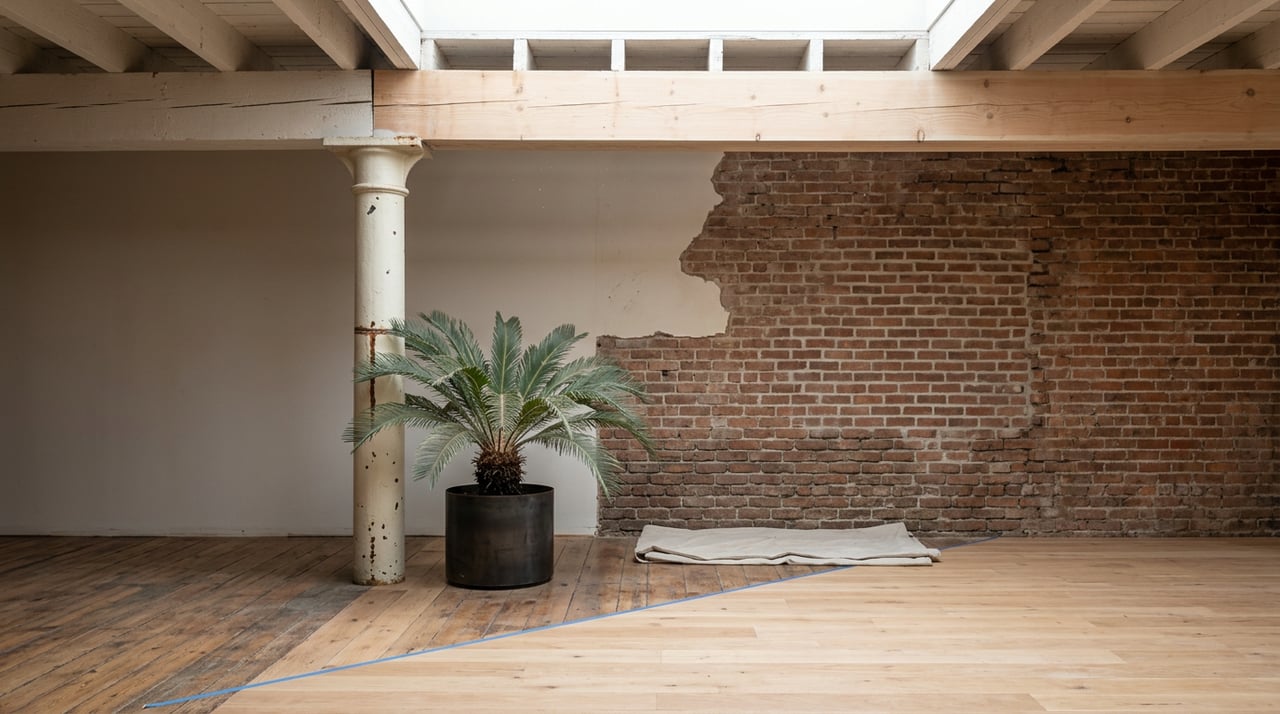
That history shapes the character of the western edge. You get a setting where old industrial forms and loft-style scale meet the openness of the riverfront. For design-minded buyers, that blend can feel especially compelling because it offers both atmosphere and practicality.
Official planning materials describe this part of Tribeca as mixed-use but increasingly residential. That is a useful lens if you are comparing it with other downtown neighborhoods that may feel more consistently commercial or more nightlife-driven. Along the Hudson, Tribeca often reads as quieter and more settled without losing its Manhattan identity.
That does not mean the area feels remote. City Planning materials also note strong transit connectivity, which supports the idea that you can enjoy a more relaxed home base while staying closely connected to the rest of downtown. For many buyers, that combination is hard to replicate.
When you tour Tribeca’s waterfront blocks, a few lifestyle patterns tend to stand out:
These are not minor details. They influence how a neighborhood feels on a Tuesday morning, not just on a Sunday afternoon.
If you are searching for a downtown home that feels connected to both the city and the outdoors, waterfront Tribeca is worth serious consideration. It offers a specific blend of openness, recreation, architecture, and convenience that is difficult to find elsewhere in Manhattan. The lifestyle is less about spectacle and more about consistency.
That is often what sophisticated buyers are really looking for. Not simply a dramatic view, but a neighborhood that supports how you want to live every day. Tribeca’s edge along the Hudson does exactly that, with a calm confidence that feels true to the neighborhood.
If you are exploring homes in Tribeca or weighing the waterfront against other downtown options, the SAEZFROMM Team can help you evaluate the lifestyle, architecture, and long-term fit with clarity and discretion.
Stay up to date on the latest real estate trends.
October 15, 2026
October 8, 2026
October 1, 2026
September 24, 2026
September 17, 2026
September 10, 2026
September 3, 2026
August 27, 2026
August 20, 2026
As a top team at Douglas Elliman, SAEZFROMM continues to deliver the greatest value to our buyers, sellers, developers, and investors. Our focus is on one thing above all others: our clients, their needs, and what makes them happy.
SAEZFROMM
M: (212) 203-1798
O: (212) 891-7181
[email protected]
Douglas Elliman Real Estate
140 Franklin St
New York NY 10013