
Tribeca Lofts, Landmarks, And What Buyers Should Know
March 12, 2026
March 12, 2026
You fall in love with Tribeca the moment you step into a sun-washed loft with 12-foot ceilings, timber beams, and factory windows. Then reality sets in: landmarks, loft-legalization history, Certificates of Occupancy, FISP, and project eligibility can all shape what you can change and how you finance the purchase. If you want character and long-term value, you need a crisp plan. In this guide, you’ll learn how Tribeca’s landmark status and prior conversions affect renovations, underwriting, and taxes, plus a step-by-step diligence checklist to protect your offer. Let’s dive in.
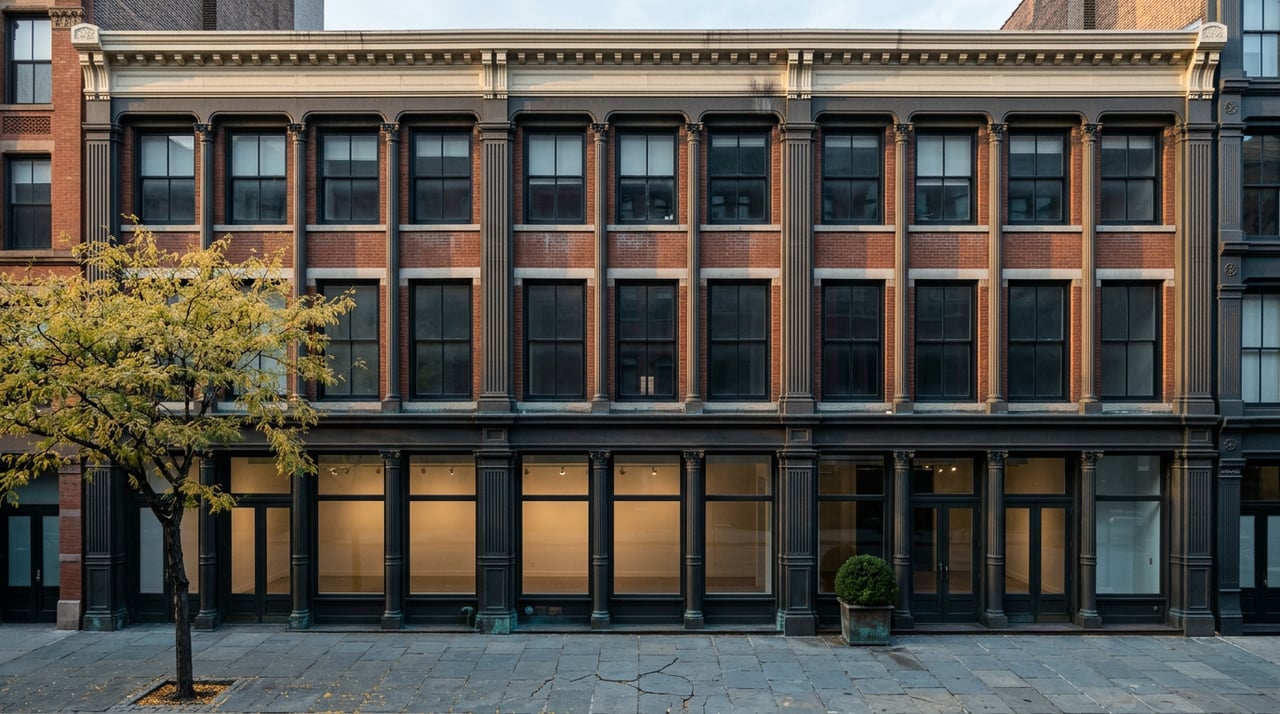
Tribeca’s lofts were built for work, not living. That is part of their magic and a big reason they sit in local historic districts. Many blocks fall under the Landmarks Preservation Commission’s jurisdiction, which means exterior changes are reviewed for appropriateness. You get gorgeous brick and cast-iron façades, oversized windows, and open floor plates that feel cinematic. You also inherit rules that can add time and cost to even simple upgrades.
If you value volume, texture, and pedigree, a loft can be the right move. Just plan for a slightly longer diligence window and a more detailed renovation path than you might expect with a newer condo.
Before you price a window replacement or roof deck, confirm if the building is in a historic district or is individually designated. Start with the Landmarks Preservation Commission’s official maps and designation reports. Designation often identifies the façades and features considered most significant.
LPC reviews most exterior work that is visible from a public way. Window changes that alter sightlines, muntin patterns, or glazing often require a formal application. Staff can approve “in kind” repairs at the staff level, but replacements on primary façades usually come with documentation, mockups, and material-matching requirements. Review the Commission’s Rules of the LPC to understand what typically triggers a Certificate of Appropriateness versus a staff authorization.
LPC evaluates rooftop additions and equipment for visibility. A screened, minimally visible unit might be staff-approvable, but a visible bulkhead or terrace often needs a public hearing and can be modified or denied. Expect zoning, structural, and DOB filings in addition to LPC review. The city’s rooftop guidance summarizes key visibility and setback concepts; share it with your architect early. See the rooftop and visibility reference to frame expectations.
The very features you love in a Tribeca loft are the ones that draw scrutiny. That does not mean you cannot renovate. It means your team should confirm scope, timeline, and cost against LPC criteria before you sign a contract that assumes certain changes.
Some Tribeca buildings were legalized under New York’s Loft Law, which created the Interim Multiple Dwelling (IMD) category and a process to bring former industrial spaces up to safety standards. The NYC Loft Board oversees coverage and compliance. If a building has IMD history, lenders and insurers will look for proof that required work was completed and signed off. Learn the basics and check status through the NYC Loft Board.
Why you care: IMD status changes your checklist. Legalization often required sprinklers, code-compliant egress, and fire alarm upgrades. If that work is unfinished, you could face delays or added costs to close.
Your lender will expect clear evidence that the building and unit are legally residential. The Department of Buildings maintains Certificates of Occupancy (CO) and Alteration-CO records that confirm use and occupancy. For older buildings without a CO, a Letter of No Objection may serve a similar purpose. Begin with DOB’s CO overview and property search tools on the Certificate of Occupancy page.
If the building converted from commercial to residential use, you will often see an Alteration-CO tied to the conversion. For Loft Law legalizations, DOB outlines required documentation and code paths; use the Loft Law project requirements to anticipate what should be in the file. Any open Alt-CO that lacks final sign-offs can slow or block a closing.
Many Tribeca buildings exceed six stories, which places them in the city’s Facade Inspection & Safety Program. Every five years, owners must file a critical examination report. Unresolved unsafe or SWARMP classifications can trigger sidewalk sheds, repair orders, and building-level liabilities that often land as assessments. Review the latest filings and status using the DOB’s FISP program resources and the Facade Safety Report page for context.
Historic conversions sometimes used J-51 tax benefits to offset rehabilitation costs. The original program expired for work finished after June 29, 2022, and a reform version now applies to a narrower set of projects. J-51 can also affect rent regulation in some circumstances, especially in rental buildings. Always cross-check whether a building has active or past J-51 benefits and what that implies for taxes or tenant rights. Start with HPD’s J-51 overview.
If you are evaluating an income-producing unit, know that federal historic tax credits may have influenced how the building was rehabilitated. Those credits typically do not apply to owner-occupied primary residences, but their use can leave a paper trail worth reading.
Underwriters want clarity. Most conventional lenders require legal residential status, clean title, and strong project documentation for condos and co-ops. Buildings with unfinished legalization, large unsold sponsor inventories, or heavy underlying debt can limit loan options. Because lenders follow agency rules for project eligibility, have your loan officer review the building early. For a sense of how project standards work, see the Fannie Mae Selling Guide.
Use this as your minimum set of public-record checks before making a firm offer. For competitive situations, have your attorney and architect run these items in parallel with your negotiations.
Confirm landmark status
Verify the Certificate of Occupancy
Review legalization filings and violations
Check façade safety and sheds
Pull title and recorded documents
Confirm J-51 or other benefits
Read the building’s books
Pre-clear your renovation scope
Lender and insurance pre-checks
Seller document request
Tribeca rewards buyers who do their homework. When you confirm landmark status, verify the CO, review FISP and J-51 histories, and pre-clear your renovation scope, you reduce risk and position yourself to act decisively when the right loft appears. If you want a seasoned partner to help you calibrate value, anticipate hurdles, and negotiate from strength, the SAEZFROMM Team is here for a discreet, one-on-one consultation.
Stay up to date on the latest real estate trends.
October 15, 2026
October 8, 2026
October 1, 2026
September 24, 2026
September 17, 2026
September 10, 2026
September 3, 2026
August 27, 2026

August 20, 2026
As a top team at Douglas Elliman, SAEZFROMM continues to deliver the greatest value to our buyers, sellers, developers, and investors. Our focus is on one thing above all others: our clients, their needs, and what makes them happy.

SAEZFROMM
M: (212) 203-1798
O: (212) 891-7181
[email protected]
Douglas Elliman Real Estate
140 Franklin St
New York NY 10013