What Buyers Expect From Manhattan’s Boutique New Developments
March 24, 2026
March 24, 2026
Looking at Manhattan’s newest boutique buildings and wondering what really matters to today’s buyers? You are not alone. Privacy, wellness, and curated service are in focus, and the projects that deliver those elements tend to move first. In this guide, you will learn what buyers expect now, how to verify claims, and how these trends play out across downtown and central Manhattan. Let’s dive in.
Boutique new development is performing where product aligns with what buyers want. Recent Marketproof reporting shows Manhattan continues to capture a large share of new-development contracts, with median price per square foot in the mid-thousands and high-dollar deals clustered in select buildings and neighborhoods. The takeaway is that buyers are selective and reward well-positioned, quality product that delivers privacy and authenticity. You can see this concentration of activity in the monthly summaries from Marketproof’s New Development Market Report.
At the top end, weekly contract data confirms steady activity at $4 million and above. The Olshan Luxury Market Report consistently highlights multiple signed contracts in this range, signaling persistent appetite for best-in-class boutique residences with differentiated design, service, and location.
Industry analysis also points to a product constraint rather than demand fatigue. Fewer well-aligned launches can slow contract volume, even when buyers are ready to transact. Coverage of 2025 dynamics underscores that fit matters: location, floor plans, finish quality, and credible amenities move the needle more than raw pricing alone. See the context in The Real Deal’s reporting on why 2025 new development slowed.
Wellness is now a core expectation, not an add-on. Research from the Global Wellness Institute estimates that genuinely wellness-forward residential offerings can command roughly a 10 to 25 percent price premium. That premium rests on authenticity: health-focused measures that are designed, delivered, and operated to a measurable standard. Explore the market context in the Global Wellness Institute’s latest report.
Buyers look for owner-controlled HVAC and robust filtration along with strategies that increase fresh air circulation. You should ask for mechanical specifications such as MERV or HEPA filtration levels, whether the building uses mechanical ventilation, and how air and water quality are monitored. Third-party programs help clarify exactly what is delivered. The WELL for Residential program has grown quickly and gives buyers a way to verify claims about indoor environmental quality. Learn about its uptake and scope in IWBI’s program update.
Even modest private outdoor space is a powerful differentiator in dense neighborhoods. Usable terraces, loggias, or Juliet balconies support daily living, natural light, and airflow. New boutique launches that prioritize deeded outdoor areas are consistently highlighted in coverage. For a sense of what stands out, review CityRealty’s roundups of anticipated boutique condos and their amenity sets, including outdoor access, in this overview of notable Manhattan launches.
Buyers increasingly ask whether wellness claims are measured or certified. Programs such as WELL, Fitwel, or Passive House signal real performance rather than marketing language. If a building advertises clean air or healthy materials, request the certification pathway or the as-built mechanical specs. The presence of certification can also support resale value, given the documented wellness premium noted by the Global Wellness Institute.
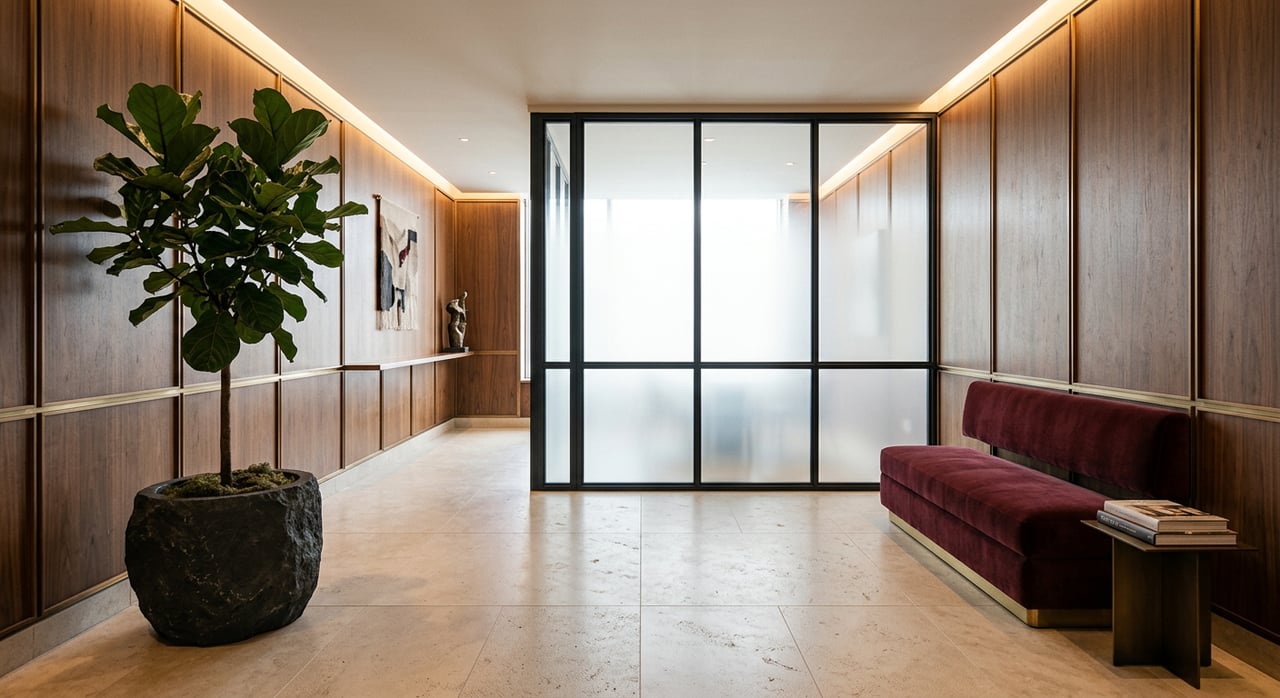
In boutique-scale buildings, privacy is a defining feature. Expect fewer homes per floor, direct or keyed elevator entries, semi-private landings, and thoughtfully managed shared spaces. Appointment-based services and limited-use amenities help preserve a quiet experience. Buyers often trade a sprawling amenity floor for an intimate, well-run program that is easy to book and actually use. For a sense of common boutique attributes, see CityRealty’s coverage of small-scale launches in Manhattan, including unit density and amenity curation, in this project roundup.
Hospitality-level services also stand out when they match the scale of the building. Concierge, a dedicated resident manager, in-residence dining options, and curated club partnerships can be compelling. Just be sure to evaluate the operating model and costs. Some branded or hotel-aligned programs come with higher monthly charges. Market reporting regularly notes the premiums such services can command in the right context. For broader contract and amenity context, see Marketproof’s monthly reports.
Buyers favor layouts that separate public and private zones. A distinct gathering area, a primary suite with en-suite bath, and a flexible room that can convert to an office or guest suite are common asks. Storage matters more than you think at the boutique scale, so look for larger closets, dedicated laundry, and efficient circulation. These features are consistently highlighted in boutique listings and previews captured in CityRealty’s new development features.
Quiet is luxury in the city. Strong acoustic separation between units and floors is essential. Owner-controlled climate systems or four-pipe configurations allow room-by-room control and support year-round comfort. Ask whether the building employs dedicated fresh-air strategies and advanced filtration. These technical features often tie back to wellness performance and, in some cases, to third-party verification such as WELL or Passive House noted in IWBI’s program update.
Efficient envelopes, Passive House strategies, and low-energy systems reduce operating costs and appeal to design-forward buyers. These choices can support long-term value and are increasingly part of boutique marketing narratives across Manhattan. For examples of how sustainability shows up in smaller projects, see the downtown cases below and CityRealty’s roundup of anticipated boutique launches.
Tribeca often rewards low-density, sustainability-minded projects with private outdoor space. A case in point is 14 White Street, a small Passive House-influenced condo with terraces that illustrates how efficient envelopes, privacy, and outdoor living can drive demand in a historic context. Projects of this type, and others in CityRealty’s boutique launch previews, show how downtown buyers value quiet scale and tangible performance.
In the West Village, limited-unit conversions with significant indoor-outdoor connections regularly achieve standout results. The penthouse at 125 Perry Street is a high-visibility example of how privacy, large floor plates, and terraces combine to command premium pricing in a boutique setting. For context on how such offerings are covered, read this feature on the Perry Street penthouse.
On the Upper East Side and in Midtown, buyers respond to classic massing, direct elevator access, and curated amenity suites that fit the neighborhood. Projects with full-floor or half-floor homes, small wellness rooms, and private dining spaces align well with this demand. CityRealty’s previews, including buildings like 150 East 78th, reflect these preferences in their roundup of boutique launches.
Larger Midtown towers can still succeed when they deliver a resident experience that feels private. Programming that limits crowding, appointments for amenities, and thoughtful service can approximate boutique living even at scale. The pattern shows up in Marketproof’s building-level highlights within the monthly new development reports.
Use this quick list when touring or reviewing offering plans and marketing materials. It helps you separate authentic value from nice-to-have features.
If you are aligning a boutique project to today’s buyers, focus on clarity, credibility, and curation.
In Manhattan’s boutique new development, privacy, wellness, and curated service define value. The buildings that sell fastest combine authentic health features, quiet scale, and layouts that work for daily life. When you evaluate a project through this lens and verify the claims, you position yourself for long-term enjoyment and confident resale.
If you would like a confidential, neighborhood-specific strategy and a short list of boutique buildings that match your priorities, connect with the SAEZFROMM Team. Request a Private Consultation and we will tailor options to your lifestyle, timeline, and investment goals.
Stay up to date on the latest real estate trends.
October 15, 2026
October 8, 2026
October 1, 2026
September 24, 2026
September 17, 2026
September 10, 2026
September 3, 2026
August 27, 2026

August 20, 2026
As a top team at Douglas Elliman, SAEZFROMM continues to deliver the greatest value to our buyers, sellers, developers, and investors. Our focus is on one thing above all others: our clients, their needs, and what makes them happy.
SAEZFROMM
M: (212) 203-1798
O: (212) 891-7181
[email protected]
Douglas Elliman Real Estate
140 Franklin St
New York NY 10013