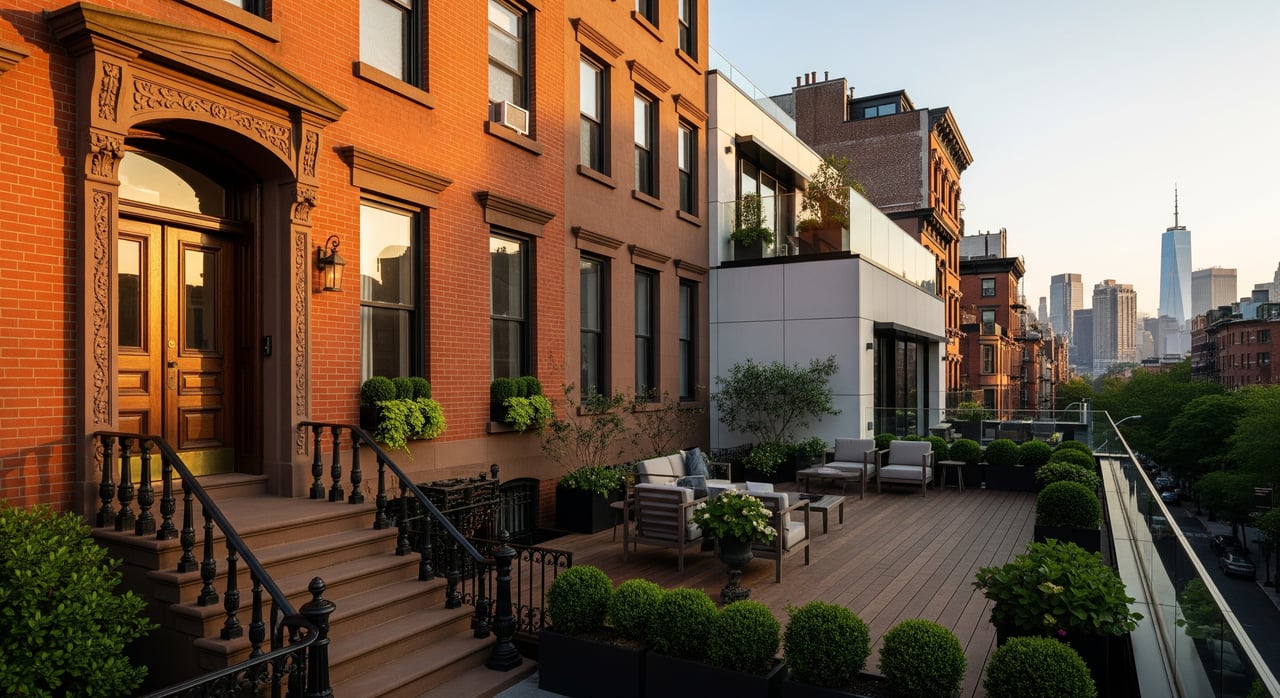
Townhouse vs. Penthouse Living in Greenwich Village
December 11, 2025
December 11, 2025
Choosing between the intimacy of a classic townhouse and the elevation of a full-floor penthouse can feel like comparing two different versions of Greenwich Village living. You may crave privacy and control, yet also want effortless services and skyline views. This guide breaks down how each option performs on privacy, outdoor space, amenities, upkeep, renovation potential, and resale so you can decide with confidence. Let’s dive in.
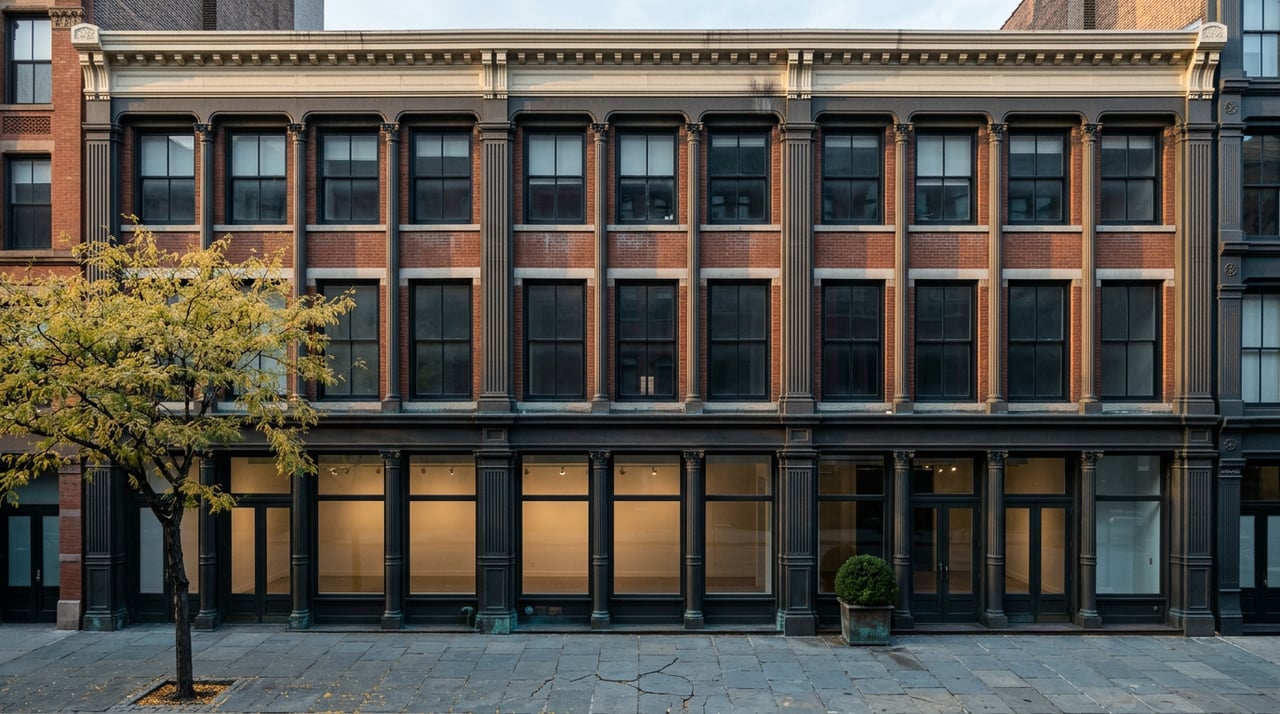
Greenwich Village blends 19th- and early-20th-century rowhouses and brownstones with select mid- and high-rise condos and co-ops. Many blocks sit within landmark districts, which influences what you can change on a façade or roof. The Village’s narrow streets and smaller lots shape townhouse footprints and yard sizes.
The neighborhood is also a cultural hub with active dining and nightlife. Street-level homes can feel closer to the energy, while higher floors reduce street noise and increase access to light and views. Both townhouses and penthouses can be trophy assets here, though they deliver value in different ways.
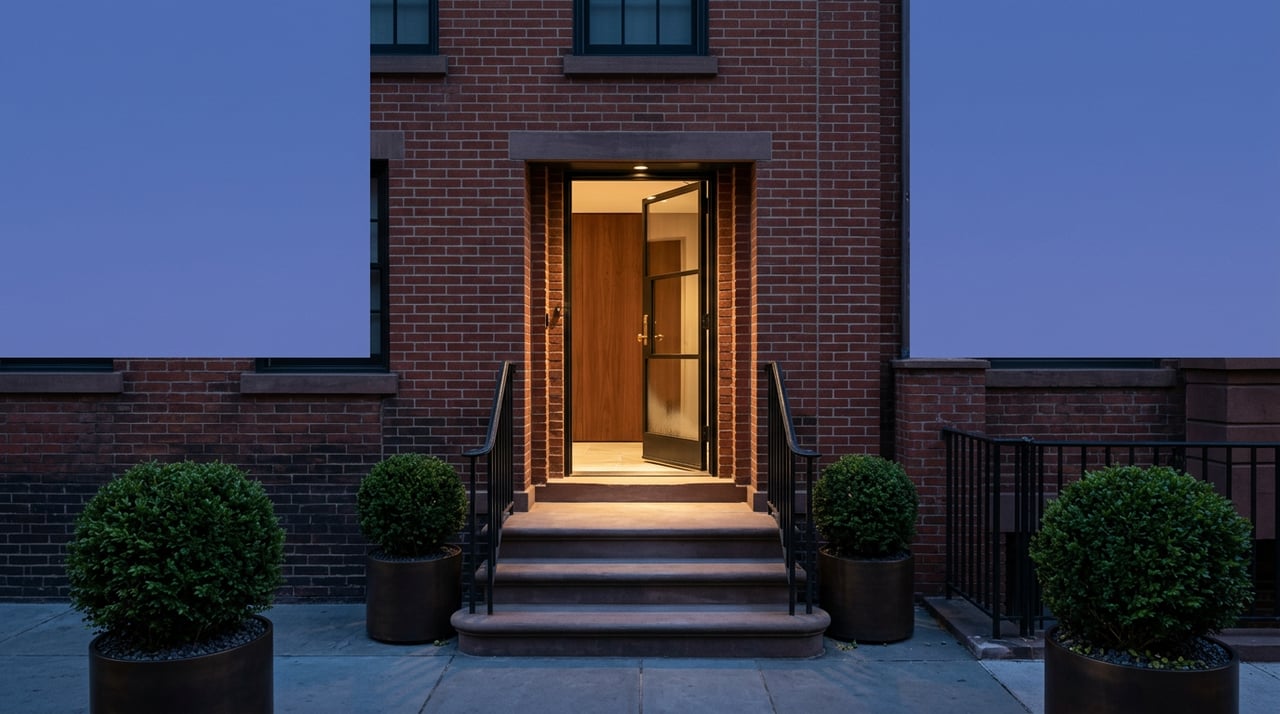
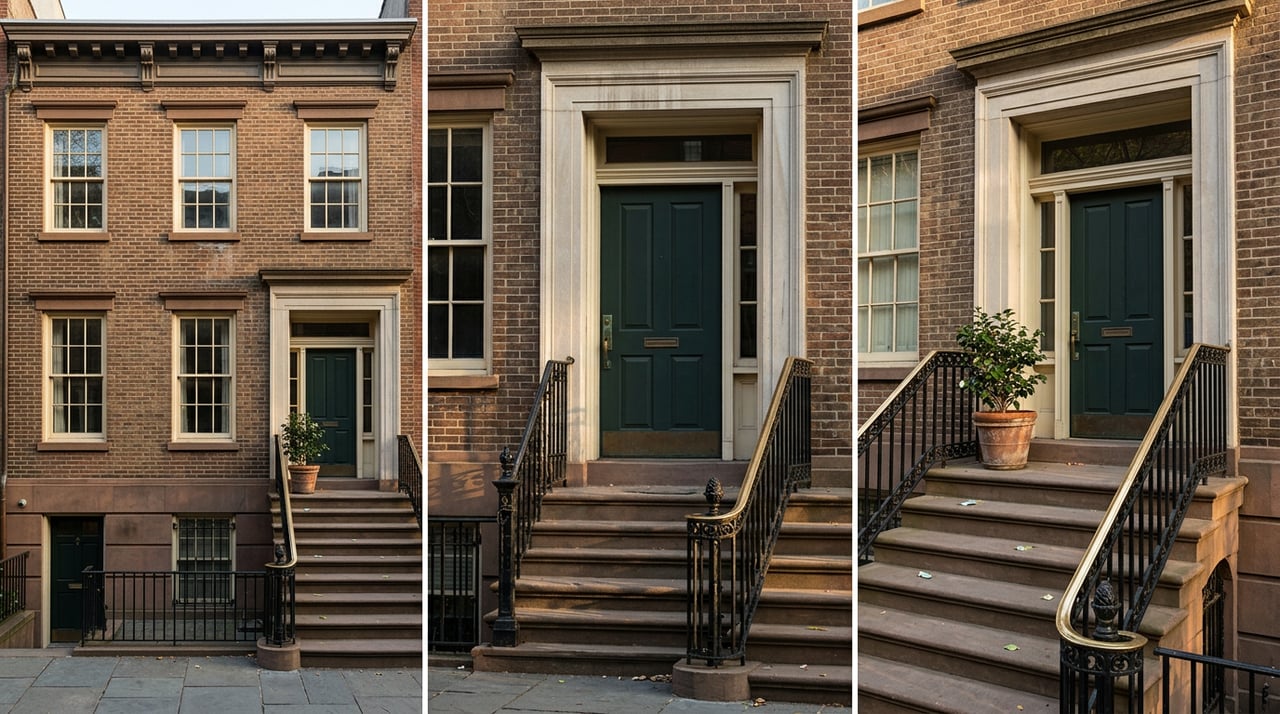
A fee-simple or single-family townhouse gives you a private entrance, interior stairs, and no shared hallways. That control often feels deeply private. At the same time, street exposure can be higher. Stoops, window treatments, and modest setbacks help, but you remain closer to passersby and curbside activity.
Hosting is intimate at a discrete street address, though large events require planning for valet, deliveries, and limited loading zones on narrow streets. If you prefer a low profile with direct access, a townhouse excels.
A penthouse benefits from vertical separation from the street and controlled building access. Doormen, concierge teams, and keyed elevators regulate entry, which can increase discretion. Fewer neighbors on your floor add to the sense of exclusivity.
Elevator delivery of guests and services is simple. Elevated positioning naturally cuts street noise and elevates views. You may still have ambient rooftop sounds, like nearby terraces or building equipment, but overall privacy is strong.
Townhouses typically offer ground-level gardens, midblock light wells, and often a roof deck. Gardens work well for dining, pets, or play. Roof decks can feel private, though Village rooflines are low, so views are limited on many midblock homes. Yard sizes are usually modest and landscaping, irrigation, and drainage require ongoing attention.
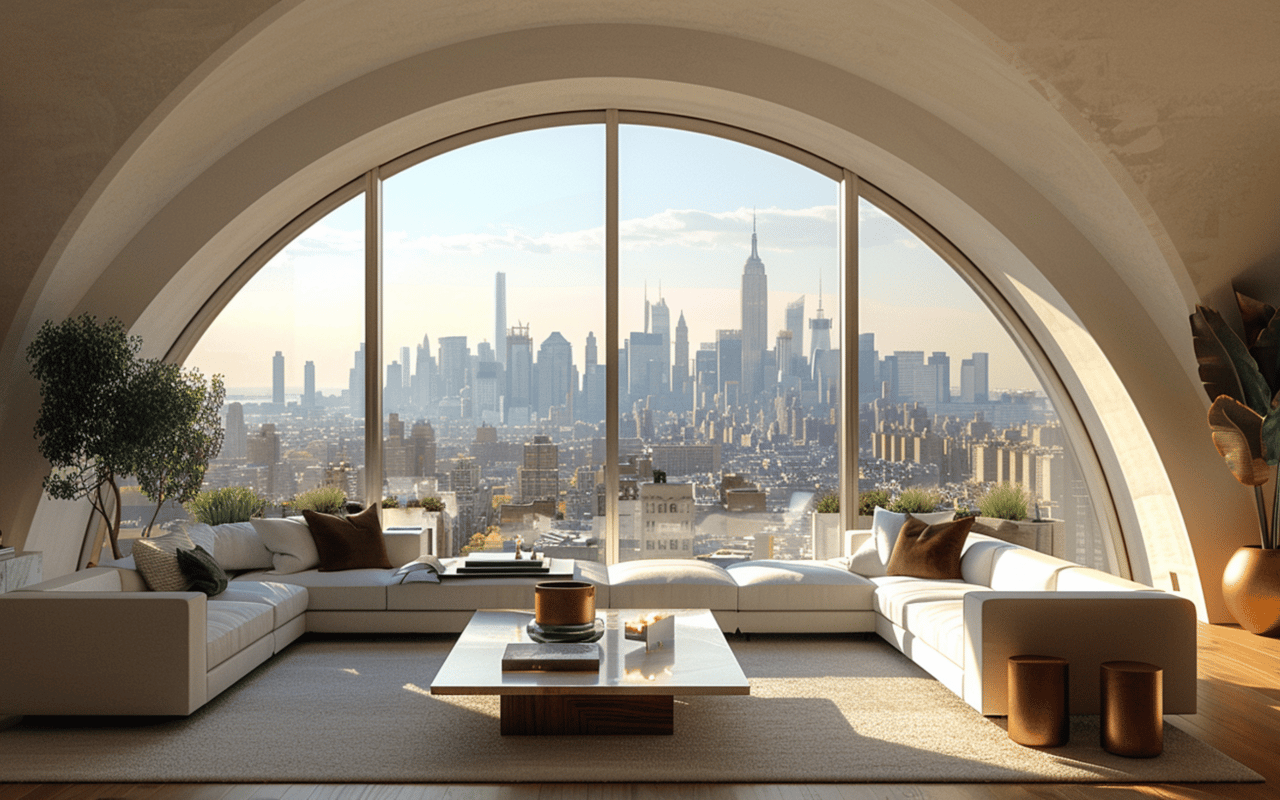
Penthouses can deliver larger wraparound terraces, multiple outdoor platforms, and dramatic skyline vistas. Sunsets and city views are a hallmark of penthouse life and terraces can be exceptional for entertaining. Terrace use is still governed by building rules on weight, planters, grilling, screening, and hours. Structural and insurance constraints can shape what is possible.
Traditional layouts can separate formal entertaining rooms from private living areas across multiple floors. You might host cocktails on the parlor level, dinner on the next floor, and late-night conversation in a garden or on the roof. It is elegant, but stairs and service flow require planning, especially if the kitchen is on a different level.
Penthouse floorplans often favor large, open living spaces. Private or keyed elevators can bring guests and caterers straight to your entry. Building services, from concierge to package rooms and possibly resident lounges, streamline logistics for larger gatherings.
You are responsible for everything: structure, façade, roof, mechanical systems, and water and sewer to the property line. Costs can be irregular but sizable, such as façade repointing or roof replacement. Insurance and property taxes are on you. If you want live-in or hourly staff, townhouses often have more flexible space to accommodate them.
In a condo or co-op, your responsibility is focused on the interior of your unit and designated private areas. The building handles common areas, exterior envelope, elevators, and mechanical rooms, funded by monthly common charges or maintenance. You gain doormen, porters, and concierge services as part of daily life. In-unit help is typically your hire, with building rules governing access and hours.
There are no common charges, but you should expect full-building utilities, property taxes, and periodic capital projects. Budget for variability. Older systems can introduce surprises, so contingency planning is essential.
Common charges or co-op maintenance cover staff, building insurance for common elements, reserves, and amenities. Monthly costs are more predictable, though special assessments can occur for large projects. Unit owners typically carry an HO-6 or co-op policy that supplements the building’s coverage. Terraces, heavy planters, and rooftop installations may require additional approvals or coverage.
Greenwich Village’s landmark status carries real weight. Exterior work on façades, stoops, windows, cornices, and roofs typically needs approval, in addition to building permits. For townhouses, that can extend timelines and costs for roof decks, dormers, or façade restorations. For penthouses, rooftop enclosures and additions must meet zoning and building code rules, and landmark visibility can matter if rooflines change.
Townhouse vertical expansions face zoning limits on floor area and lot coverage, along with structural and neighbor considerations. In penthouses, converting terrace space to interior space or building new rooftop bulkheads requires careful review and approvals. Expect extra time in older buildings where abatement or structural reinforcement may be necessary.
Ownership structure matters too. Fee-simple townhouses offer maximum control, while condo and co-op buildings come with bylaws and board rules that shape alterations, subletting, and terrace use. Co-ops often have stricter purchaser vetting and renovation approvals than condos.
Townhouses are intrinsically scarce in the Village and often have unique architectural or historical features. That rarity can command premiums, but it also makes comps less precise and timelines more variable. Buyers take a careful view of condition and the responsibility of full-building ownership.
Penthouses in marquee buildings are also scarce, yet pricing can be driven by quantifiable elements such as view quality, terrace size, ceiling heights, and amenity packages. Buildings with strong reputations and services often broaden the buyer pool and support liquidity.
Key drivers to watch:
You get a tailored, strategic process that aligns property type with lifestyle, renovation plans, and long-term value. Our downtown expertise spans trophy townhouses, statement penthouses, and boutique new development, with the discretion and negotiation skill these deals require. We coordinate the right advisors, anticipate regulatory issues, and position you to capitalize on both the emotional and financial upside.
If you are weighing a Village townhouse against a penthouse, we will help you see the tradeoffs clearly, source on and off-market options, and negotiate a smart, confident purchase. Connect with The Saez + Fromm Team to start a private conversation.
Stay up to date on the latest real estate trends.
October 15, 2026
October 8, 2026
October 1, 2026
September 24, 2026
September 17, 2026
September 10, 2026
September 3, 2026
August 27, 2026
August 20, 2026
As a top team at Douglas Elliman, SAEZFROMM continues to deliver the greatest value to our buyers, sellers, developers, and investors. Our focus is on one thing above all others: our clients, their needs, and what makes them happy.
SAEZFROMM
M: (212) 203-1798
O: (212) 891-7181
[email protected]
Douglas Elliman Real Estate
140 Franklin St
New York NY 10013