Have you seen “sponsor unit” on a SoHo listing and wondered what it really means? You are not alone. In New York City, sponsor sales follow their own set of rules, timelines, and paperwork. When you understand how sponsor units work, you can spot real value, avoid delays, and negotiate with confidence. This guide explains sponsor units in plain English, with SoHo-specific insights to help you plan your next move. Let’s dive in.
Sponsor unit, defined
A sponsor unit is a home sold directly by the building’s sponsor or developer. You will see sponsor units in two main scenarios: new condominium buildings and co-op conversions where the sponsor still owns apartments or shares.
Condo vs co-op sponsor sales
- Condo sponsor unit: You buy real property from the developer under an offering plan filed with the New York State Attorney General. The plan governs disclosures and your rights.
- Co-op sponsor unit: You buy shares and a proprietary lease from the sponsor in a cooperative corporation. The conversion plan, bylaws, and proprietary lease control rules and approvals.
How sponsor deals differ from resales
- Approvals: Condo sponsor purchases usually involve limited, administrative approvals. Co-op resales typically require a full board package and interview. Some sponsor co-op sales may proceed under conversion terms that streamline approvals, but it depends on the offering documents.
- Control: In conversions, the sponsor may hold voting power until enough apartments sell. Governance can feel different while sponsor control remains.
- Documentation: The offering plan and any amendments are your source of truth. They outline finishes, warranties, closing procedures, and building obligations.
How sponsor sales work
Typical steps
- Reservation and contract with the sponsor, including deposit terms set by the sponsor.
- Attorney review of the offering plan or conversion plan, plus any amendments.
- Financing and underwriting, including lender review of building documents.
- Inspections and walk-throughs. New condos often include a punch-list process; conversion units may have limited pre-closing access.
- Closing and occupancy. For condos, you receive a deed. For co-ops, you receive shares and a proprietary lease. Possession depends on building approvals like the Certificate of Occupancy.
Timelines you can expect
- Sponsor condo, completed and ready for occupancy: Once your loan is clear, closings often take 30 to 90 days. Pre-construction contracts can take months to years to deliver.
- Sponsor co-op conversion: Timing varies widely. If the plan is effective and units are vacant, closing can be relatively quick. If municipal approvals or building work are ongoing, expect longer lead times.
- Common delays: Certificates of Occupancy, Department of Buildings signoffs, sponsor-staged closings, lender project approvals, and the resolution of building violations.
Warranties and condition
- New condos: Typically delivered as-built with new finishes. Sponsors often provide limited builder warranties, commonly around one year for workmanship, with possible longer coverage for mechanical or structural items.
- Co-op conversions: Condition varies. Some are renovated or offer finish packages, while others are sold “as is” and need buyer renovation. Expect more limited inspection rights than a typical resale.
Typical sponsor incentives
Sponsors often use incentives to accelerate sales or help with carrying costs. These may include:
- Closing cost credits or contributions.
- Temporary coverage of common charges or carrying costs.
- Upgrades or allowances for finishes and design.
- Mortgage rate buydowns or preferred-lender credits.
- Flexible closing dates or occupancy arrangements.
These incentives vary by project stage and market conditions. In boutique buildings, terms can be more negotiable; large sponsors may use standardized programs.
Financing and approvals
Most conventional lenders work with sponsor sales, but project-level reviews matter. Some lenders require additional reserves or documentation for newly formed associations or sponsor-controlled co-ops. Sponsors may also ask you to use preferred banks, title companies, or attorneys for certain parts of the process. If you plan to finance, confirm early that your lender accepts the building and review any sponsor-required escrows.
SoHo-specific insights
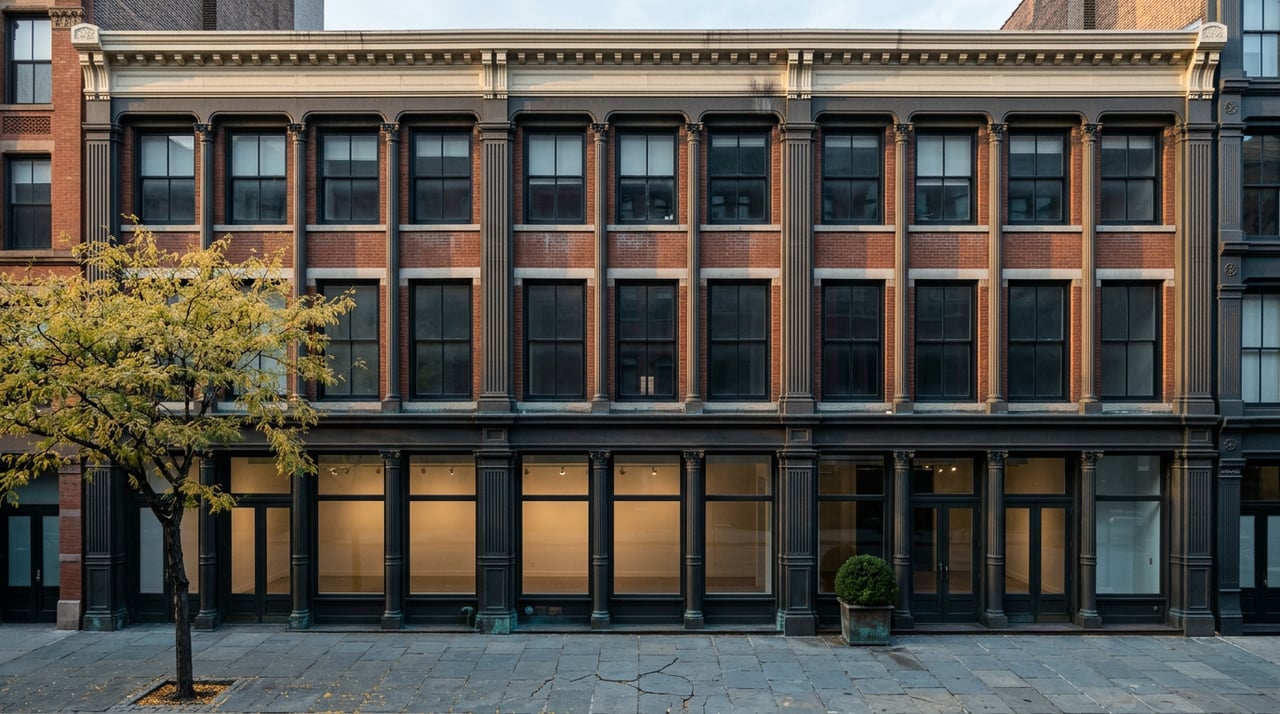
SoHo is rich with cast-iron lofts, historic conversions, and boutique new construction. Many residences come from older commercial buildings adapted to residential use. Much of the neighborhood sits within the SoHo-Cast Iron Historic District, which means exterior changes require landmark oversight, and interior work still needs Department of Buildings approvals.
Conversions vs new builds
- Conversion sponsor units: Expect more complexity. Older structures may require additional time for DOB signoffs, landmark approvals, and code upgrades like egress or sprinklers. These steps can affect when you can close or occupy.
- New construction sponsor units: Often face fewer landmark constraints, yet still depend on timely Certificates of Occupancy and may involve staged closings as building systems come online.
What this means for your timing
- Ask whether a final or temporary Certificate of Occupancy has been issued for your unit and common areas.
- Understand any outstanding building violations and how they might affect closing.
- If construction is active, plan for noise, access limitations, and punch-list items that may require post-closing follow-up.
Two SoHo examples
- Case A, boutique sponsor condo: The sponsor offered three finish packages and a one-year construction warranty. With mortgage and title cleared, closings typically ran 45 to 75 days. As an incentive, the sponsor covered six months of common charges.
- Case B, co-op conversion of a cast-iron loft: A gut renovation required exterior landmark approvals. Early closings were delayed about three months while the DOB issued a temporary Certificate of Occupancy. The proprietary lease included early-year subletting restrictions.
These examples are illustrative of common scenarios. Actual terms depend on the specific project and documents.
Due diligence checklist
Review these items with counsel before you sign or close:
- Offering plan or conversion plan, plus all amendments and sponsor disclosure statements.
- Proprietary lease and bylaws for co-ops.
- Certificate of Occupancy status and Department of Buildings violation history.
- Sponsor warranties, contractor and architect guarantees, and buyer warranty terms.
- Sponsor financial disclosures, escrow arrangements, and reserve analyses.
- Co-op rules including any flip tax, sublet restrictions, and sponsor control periods.
- Title report for condos, or share ledger and transfer documents for co-ops.
- For resales in the same building, condo financials or co-op board criteria to inform future resale expectations.
Questions to ask the sponsor team
- Will I need a board interview or approval, and what does it entail?
- What is the current Certificate of Occupancy status for my unit and the building?
- What warranty coverage applies to finishes, systems, and structure, and for how long?
- Are temporary occupancy or rent-back options available if the schedule shifts?
- Which concessions are on the table, and can they be adjusted to fit my timeline or financing?
- How much control will the sponsor retain after closing, and for how long?
Risks to weigh
- Building-wide completion risk. If the sponsor is still pursuing approvals or finishing shared systems, your occupancy may be delayed.
- Limited inspection rights. Sponsor contracts often constrain pre-closing inspections and punch-list scope compared with resales.
- Warranty limits. Coverage windows can be short and remedies narrow, so set realistic expectations for post-closing fixes.
- Governance dynamics in co-ops. Sponsor voting power can shape early building policies and timelines for changes.
Sponsor vs resale at a glance
- Sponsor condo: New finishes, clear disclosures in an offering plan, potential incentives, and a streamlined approval process. Timing can hinge on the Certificate of Occupancy and lender project review.
- Sponsor co-op conversion: Terms may ease some approval steps compared with typical co-op resales, but rules in the proprietary lease still apply. Conversion logistics and municipal approvals can impact closing.
- Resale: Condition varies and is typically “what you see is what you get.” Condos are procedural. Co-ops require a board package and interview. Occupancy is often more immediate if building approvals are already settled.
How to approach your SoHo sponsor purchase
Work with a New York City real estate attorney who routinely handles sponsor offerings. Have your lender review the project early. Read every offering-plan amendment, confirm the Certificate of Occupancy status, and map a realistic timeline that accounts for potential punch-list items and building-wide signoffs. If incentives are available, consider structuring them around your highest-impact costs, such as closing credits or carrying-cost coverage.
Ready to explore sponsor opportunities in SoHo or compare them to standout resales? Connect with the The Saez + Fromm Team for a private, strategy-first conversation tailored to your goals.
FAQs
What is a sponsor unit in NYC real estate?
- It is a home sold directly by the building’s sponsor or developer, commonly found in new condos and co-op conversions, governed by an offering or conversion plan.
Do sponsor condos and co-ops require board approval?
- Condo sponsor purchases usually involve limited, administrative approvals; co-op buyers typically face board review and interviews, unless the conversion terms specify otherwise.
How long do sponsor unit closings take in SoHo?
- Completed sponsor condos often close in 30 to 90 days after loan commitment; co-op conversions vary widely and may extend if municipal approvals or building work are pending.
What incentives do sponsors offer buyers in NYC?
- Common incentives include closing-cost credits, temporary coverage of common charges, finish upgrades, rate buydowns, and flexible closing or occupancy terms.
Why does a Certificate of Occupancy matter in SoHo?
- Your ability to close or occupy often depends on final or temporary Certificates of Occupancy, which can take longer in complex conversions common in SoHo.
What warranty coverage comes with a sponsor unit?
- New condos typically include limited builder warranties, often around one year for workmanship; conversion warranty coverage varies by sponsor and documents.